10 Best Conveyor Belt Scrapers for Efficient Material Handling?
In modern material handling, the importance of a reliable Conveyor Belt Scraper cannot be overstated. A recent report from the Material Handling Industry Association indicates that properly maintained conveyor systems can enhance productivity by up to 25%. The efficiency of these systems often hinges on the effectiveness of their scrapers. As industry expert Dr. James Lawson emphasizes, “A well-functioning conveyor belt scraper is crucial for reducing downtime and increasing operational efficiency.”
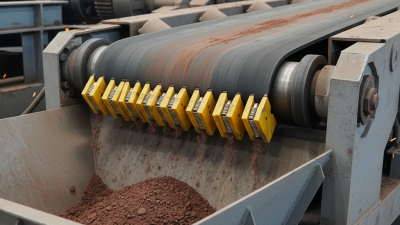
Conveyor Belt Scrapers serve a vital role in cleaning surfaces, minimizing material carryback, and preventing wear. This helps maintain a smoother workflow in industries ranging from mining to food processing. However, choosing the right scraper can be challenging. With many options available, companies must weigh factors such as material compatibility and installation ease.
Despite advancements, some organizations still struggle with outdated equipment. They may face frequent breakdowns and increased costs. Investing in the right Conveyor Belt Scraper is essential. It addresses these issues while optimizing material handling. Understanding the nuances of scrapers can make a significant difference in operation efficiency and long-term success.
Introduction to Conveyor Belt Scrapers in Material Handling
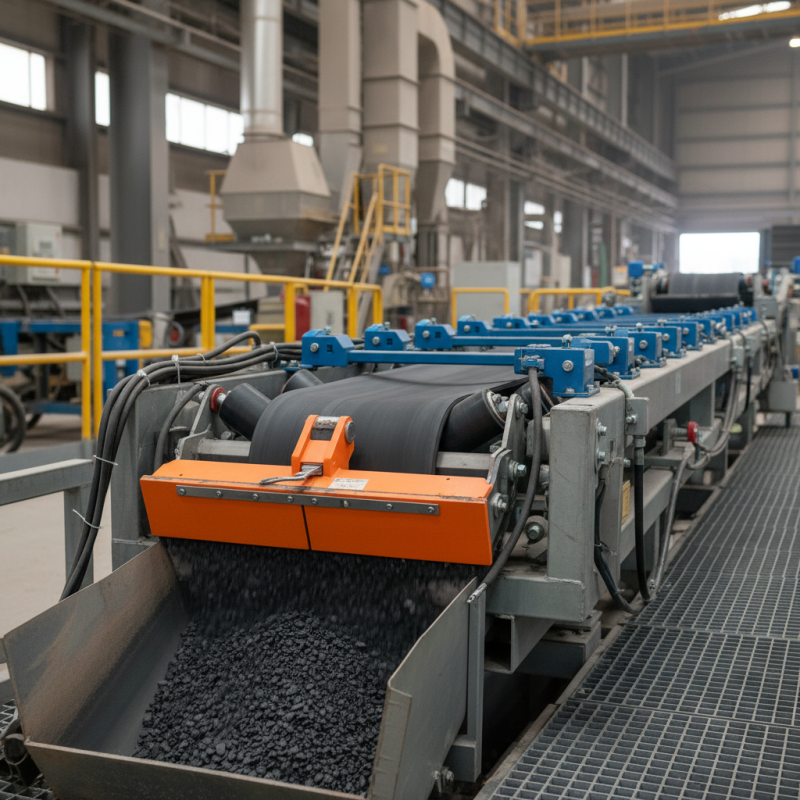
Conveyor belt scrapers are essential tools in material handling. They play a crucial role in keeping conveyor systems clean and efficient. A well-maintained scraper reduces wear on the conveyor belt and minimizes material loss. Proper cleaning helps maintain productivity and lowers operational costs.
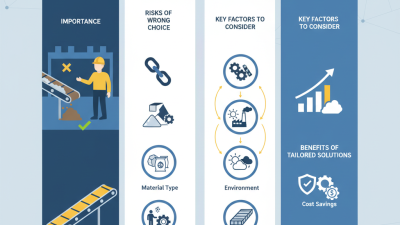
In various industries, scrapers often face challenges like buildup and residue from transported materials. This buildup can lead to inefficiencies and even equipment damage. Finding the right scraper requires understanding the specific needs of the operation. Factors such as material type, belt speed, and environmental conditions are key. Each application may need a tailored solution for optimal performance.
While many scrapers effectively clean, not all designs are created equal. Some may struggle under certain conditions. Regular inspections are necessary to assess their performance. Continuous improvement in scraper technology can lead to better outcomes, but there is still some hesitation among users. Not all users fully understand the importance of selecting the right scraper. Addressing these gaps can lead to improved material handling efficiency.
Importance of Conveyor Belt Scrapers for Operational Efficiency
Conveyor belt scrapers play a crucial role in the material handling industry. They help maintain belt cleanliness, ensuring smooth operation. When dirt and debris accumulate on the conveyor belt, it can lead to inefficiencies. This buildup can also cause detrimental wear on the belt surface. Regularly using belt scrapers minimizes this risk.
Operational efficiency relies heavily on keeping every component in check. Without effective scrapers, downtime increases as maintenance issues arise. Operators may face unexpected halts in production. This reality underscores the need for proper scraper selection tailored to specific applications. Choosing the right scraper can make a significant difference in productivity levels.
Many facilities overlook the importance of these tools. They might assume that a belt can operate without scrapers. However, neglecting this essential part can lead to larger problems down the line. Reflecting on their operational practices helps identify areas for improvement. Simple adjustments can yield noticeable results.
Types of Conveyor Belt Scrapers and Their Applications
When it comes to conveyor belt scrapers, understanding their types and applications is crucial for efficient material handling. These devices are typically made of rubber, metal, or composite materials. Each type serves a specific purpose in maintaining optimal conveyor operation. For instance, a primary scraper removes larger particles, while secondary scrapers ensure finer debris is cleared. Their placement along the conveyor belt impacts overall performance.
Choosing the right scraper requires careful consideration of the materials being handled. For instance, heavy-duty applications may necessitate metal scrapers, while softer materials might benefit from rubber options. Each material type interacts differently with various environments, impacting durability and effectiveness. The right choice can prevent material buildup, which is a common issue in many industries. Observing scraper wear can serve as a valuable indicator of performance. Regular inspections are essential to maximize lifespan.
In some cases, operators may overlook the importance of proper maintenance. Neglected scrapers can lead to increased downtime and material loss. Understanding the specific needs of your application will guide better decisions. It’s vital to stay informed about advancements in scraper technology. These innovations can offer enhanced efficiency and reduce operational costs, ultimately benefiting your material handling processes.
10 Best Conveyor Belt Scrapers for Efficient Material Handling
| Type |
Material |
Application |
Efficiency |
Maintenance |
| Polyurethane Scraper |
Polyurethane |
Bulk Material Handling |
High |
Low |
| Metal Scraper |
Stainless Steel |
Heavy Duty Applications |
Moderate |
Moderate |
| Rubber Scraper |
Rubber |
Light to Medium Duty |
High |
Low |
| Hinged Scraper |
Polymer |
General Purpose |
Moderate |
High |
| V-Plow Scraper |
Urethane |
Material Clearance |
High |
Low |
Key Features to Consider When Selecting Conveyor Belt Scrapers
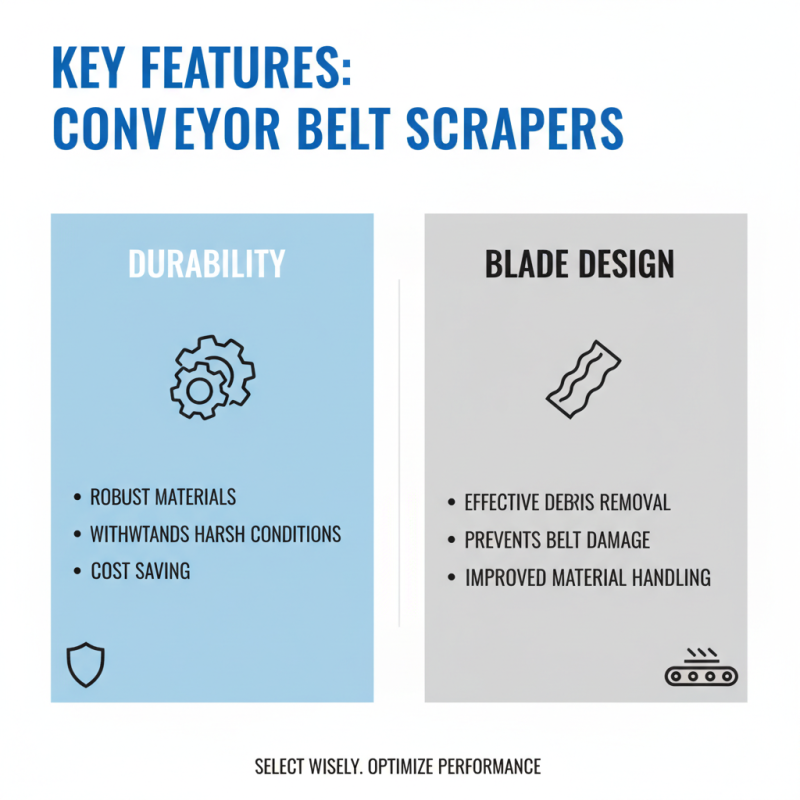
When selecting conveyor belt scrapers, the right features can make a significant difference in material handling. Durability is crucial. Scrapers made from robust materials can withstand harsh conditions. This ensures they won’t wear out quickly, saving costs in the long run. Additionally, consider the scraper blade design. A well-designed blade can effectively remove debris without damaging the belt.
The angle of the scraper also plays a vital role. An adjustable angle can improve the cleaning process and adapt to various belt widths. Installation ease matters too. Scrapers that can be installed without extensive modifications reduce downtime. Furthermore, check for compatibility with different conveyor systems. This flexibility is essential for diverse material handling operations.
Pay attention to the maintenance requirements as well. Some scrapers require regular adjustments, which can be time-consuming. Choosing a low-maintenance option can streamline operations. It’s important to reflect on your specific needs. Not every feature will be essential for every situation. Assessing your requirements carefully will help in making a more informed choice.
Top 10 Conveyor Belt Scrapers: Reviews and Recommendations
When it comes to efficient material handling, choosing the right conveyor belt scraper is crucial. These tools help maintain the cleanliness of conveyor belts, preventing material carryover. A reliable scraper can significantly reduce downtime and maintenance costs. Selecting a scraper involves understanding your conveyor system and the materials being handled.
Some scrapers are designed for heavy-duty applications. Their robust construction withstands harsh conditions, but they may wear down faster with lighter materials. Conversely, lighter scrapers offer less wear, yet may not clean as effectively. Evaluating your specific needs plays a vital role in finding the ideal scraper.
Users often overlook the importance of regular maintenance. Even the best scraper requires attention to ensure optimal performance. Sometimes, it can be easy to underestimate wear and tear. Make periodic checks a part of your routine to avoid operational issues. This mindset fosters a culture of reliability within your material handling process. Choosing wisely and maintaining scrapers will lead to long-term efficiency.