What is a Ceramic Hose and Its Applications?
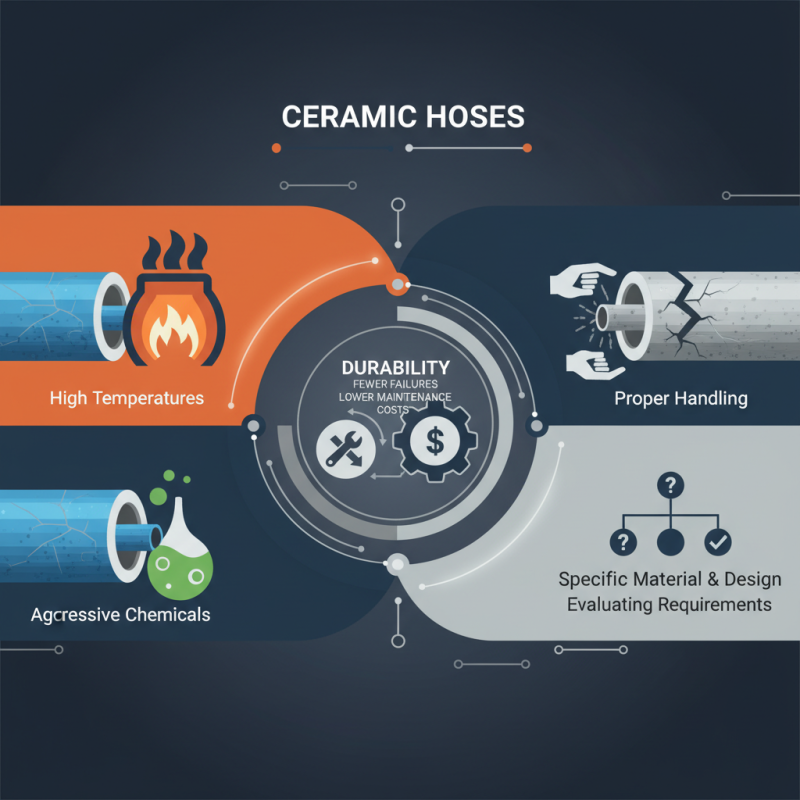
Ceramic hoses are innovative components in various industries. They are designed to handle high temperatures and aggressive chemicals. Due to their unique properties, these hoses are becoming increasingly popular in applications where traditional materials fail.
In environments like manufacturing and oil and gas, durability is crucial. Ceramic hose technology offers superior strength and resistance. This leads to fewer failures and lower maintenance costs. However, it's important to understand that not all ceramic hoses are the same. Each application requires specific material and design considerations.
Users should also be aware of potential challenges. While ceramic hoses excel in harsh conditions, they can be brittle. Proper handling and installation are necessary to prevent breakage. Evaluating the specific requirements of your application is essential for success.
Definition and Characteristics of Ceramic Hoses
Ceramic hoses are specialized components made from advanced ceramic materials. These hoses are known for their outstanding durability and resistance to extreme temperatures. They can operate effectively in environments with high heat and corrosive substances. This makes them ideal for various industrial applications.
One key characteristic of ceramic hoses is their lightweight structure. Despite being lightweight, they are exceptionally strong. This combination allows for easier handling without sacrificing performance. Additionally, ceramic hoses exhibit low thermal conductivity, ensuring minimal heat transfer. This property helps in various thermal management tasks.
However, using ceramic hoses comes with challenges. They can be more brittle than traditional rubber or metal hoses. This brittleness may lead to cracking under specific conditions. Regular inspections are necessary to maintain their integrity. Understanding both the strengths and limitations is crucial for effective usage. This nuanced perspective helps manufacturers optimize their applications.
Materials Used in the Manufacture of Ceramic Hoses
Ceramic hoses are made using advanced materials known for their durability. The primary component is ceramic, which can withstand high temperatures and aggressive chemicals. These hoses are often used in industries like manufacturing and chemical processing. The unique properties of ceramics provide better performance compared to traditional materials.
In addition to ceramic itself, various additives enhance the hose's performance. For example, fibers like alumina improve strength and flexibility. These additions help ceramic hoses resist wear and tear. However, sourcing high-quality materials can be challenging and costly. Not all ceramics offer the same level of performance, leading to variability in product quality.
The manufacturing process also involves meticulous attention to detail. Hoses must undergo rigorous testing for durability and reliability. While ceramic technology is impressive, the field is not without its flaws. Even minor defects can result in performance issues. Continuous improvements and research are essential for addressing these challenges effectively. Each new innovation provides opportunities for better designs and applications.
Key Applications of Ceramic Hoses in Various Industries
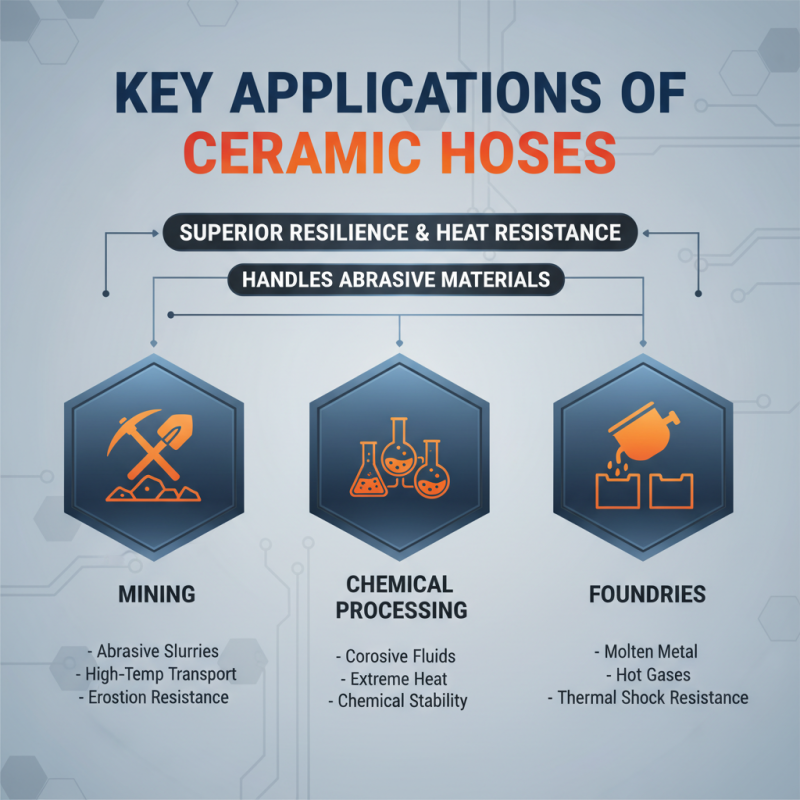
Ceramic hoses are gaining traction in various industries due to their superior resilience and heat resistance. They are particularly effective in high-temperature applications. These hoses can handle abrasive materials. This makes them essential in industries such as mining, chemical processing, and foundries.
In the mining sector, ceramic hoses transport materials under harsh conditions. Their durability prevents frequent replacements, saving costs. In chemical processing, ceramic hoses resist corrosion from harsh chemicals. This reliability enhances safety and operational efficiency. Foundries benefit from these hoses when carrying molten metals. Their thermal stability prevents damage or failure.
Tip: Regularly inspect ceramic hoses for wear. Look for cracks or signs of failure. This can prevent costly downtime and ensure operational safety.
Additionally, ceramic hoses are being used in the food and pharmaceutical industries. They comply with stringent safety standards. This allows for the safe transport of sensitive materials. However, choosing the right type of ceramic hose can be challenging. Not all hoses are suitable for every application. Consider factors like temperature and pressure requirements effectively.
Tip: Consult with industry experts to select the appropriate hose for your specific needs. This can lead to significant long-term benefits.
Advantages of Using Ceramic Hoses Over Traditional Materials
Ceramic hoses are gaining prominence in various industries due to their unique properties. They can withstand extreme temperatures and pressures, making them ideal for demanding applications. Unlike traditional materials, ceramic hoses exhibit excellent resistance to wear and corrosion. This feature is critical in industries such as chemical and aerospace, where failure can lead to severe consequences.
One significant advantage of ceramic hoses is their longevity. Industry reports indicate that ceramic materials can have a lifespan of up to 10 times longer than rubber or metal alternatives. This durability reduces maintenance costs and downtime. Moreover, ceramic hoses often have a lower friction coefficient, enhancing flow efficiency in piping systems.
**Tip:** When considering hose materials, evaluate the environment and substances they'll encounter. This ensures optimal performance.
Another compelling reason to use ceramic hoses is their lightweight nature. This quality improves handling and reduces the overall weight of equipment. Additionally, the non-reactive nature of ceramics means fewer environmental concerns related to leaching. However, ceramics can be brittle, requiring careful handling during installation.
**Tip:** Always perform stress tests on ceramic hoses in your application to validate performance.
Comparison of Ceramic Hoses and Traditional Materials
Maintenance and Care for Longevity of Ceramic Hoses
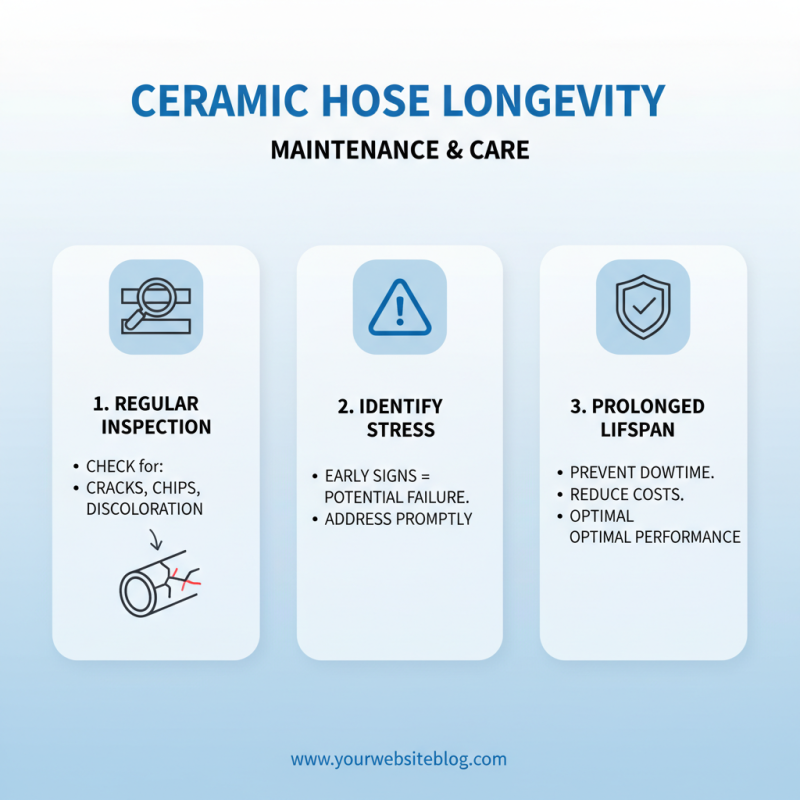
Maintenance of ceramic hoses is crucial for their longevity. Regular inspection can help identify wear and tear early. Look for cracks, chips, or discoloration. These signs often indicate stress that could lead to failure.
Cleaning is another vital aspect. Use a gentle detergent and soft brush to avoid scratches. Rinse thoroughly to ensure no residue remains. This practice is necessary for maintaining flow efficiency. A neglected hose might suffer from reduced performance.
Storage conditions also affect ceramic hoses' lifespan. Keep them in a dry, cool place away from direct sunlight. Temperature fluctuations can lead to damage over time. Sometimes, users forget to protect hoses during winter, leading to unforeseen issues. Proper care can prevent such problems, extending the life of ceramic hoses significantly.