Why is Chamber Plate Essential for Efficient Filtration Systems?
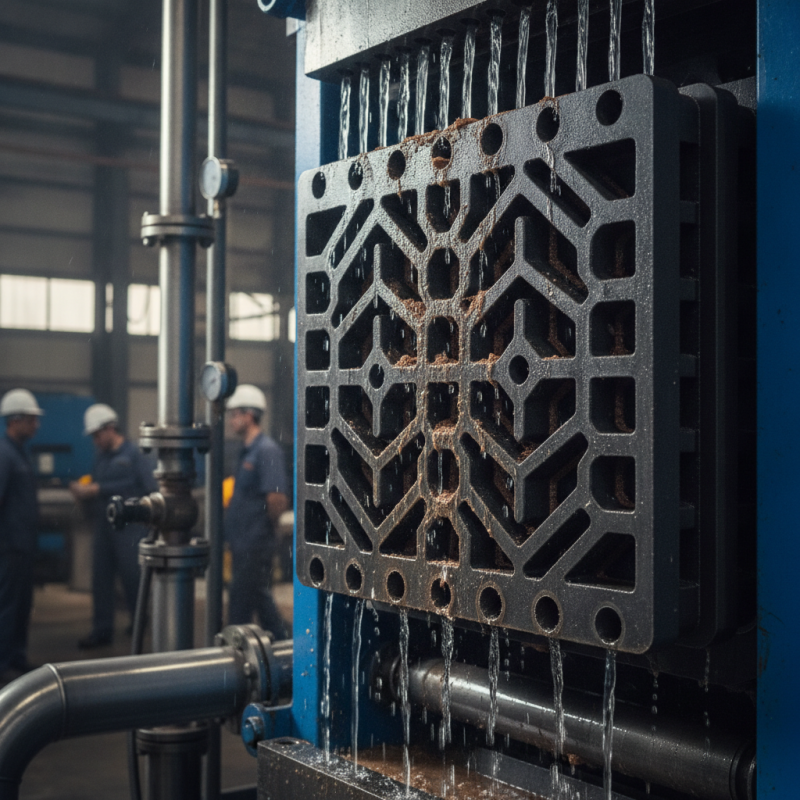
Chamber Plate plays a vital role in efficient filtration systems. Its design directly impacts the effectiveness of the filtration process. By ensuring optimal flow and separation of particles, it enhances the overall performance of these systems.
In industrial applications, the quality of filtration can affect product purity and operational efficiency. A reliable Chamber Plate ensures that contaminants are efficiently removed, reducing downtime and maintenance costs. Users often overlook this component, leading to suboptimal filtration and potential system failures.
Understanding the importance of Chamber Plates helps in making informed decisions for system upgrades. With proper selection and installation, these plates can significantly improve filtration outcomes. However, the complexity of filtration needs a thorough examination of various factors.
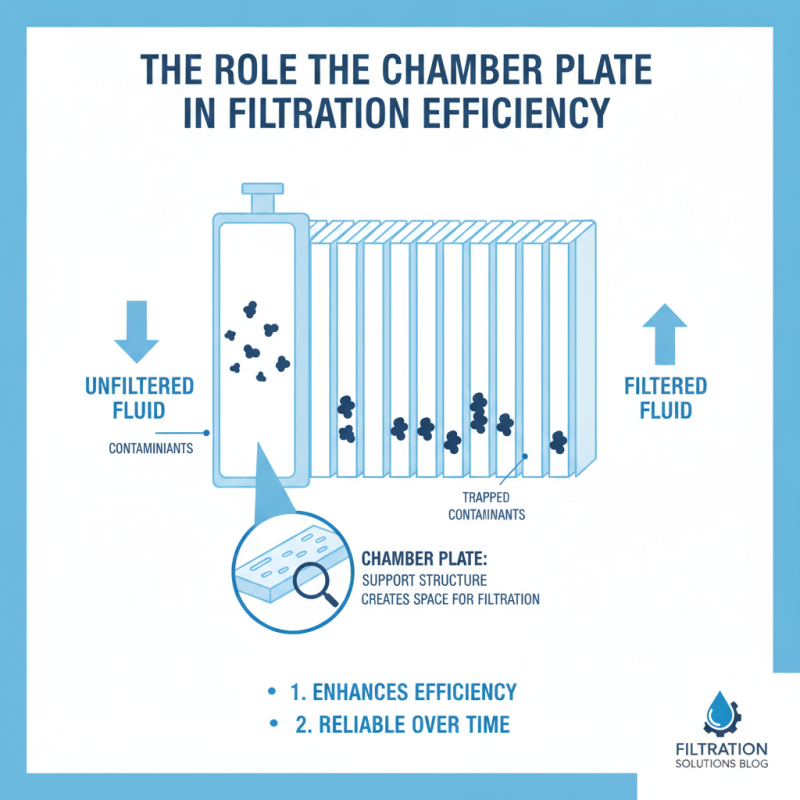
The Role of Chamber Plate in Filtration Efficiency
The chamber plate plays a crucial role in enhancing the efficiency of filtration systems. It acts as a support structure, creating a space where contaminants can be effectively trapped and separated from the desired fluid. This ensures that the filtration process is not only efficient but also reliable over extended periods.
When designed correctly, chamber plates enable optimal flow dynamics. They help reduce turbulence, which can disrupt the filtration process. A well-constructed chamber plate minimizes dead zones where particles might accumulate, allowing for consistent filtration performance. Inadequate design can lead to inefficiencies and increased maintenance needs, detracting from overall system reliability.
Understanding the material and geometry of the chamber plate is equally important. Various materials can interact differently with the fluids involved, affecting contaminant capture. Engineers must consider these factors when designing filtration systems. Regular assessment and adaptation of chamber plates can lead to incremental improvements. Reflecting on past designs often reveals opportunities for enhancement. Adjustments made today can lead to better performance tomorrow.
Design Features of Chamber Plates for Optimal Performance
Chamber plates play a vital role in filtration systems. Their design features significantly impact efficiency and performance. A well-designed chamber plate optimizes fluid flow, reducing pressure loss. This leads to improved filtration rates and effective separation of particles.
The structure of chamber plates often includes specific geometries. These can enhance the distribution of the fluid across the filter media. Properly spaced chambers can prevent uneven wear and tear, leading to longer service life. In contrast, poor design may result in dead zones. Such areas can accumulate contaminants and reduce filtration effectiveness.
Using high-quality materials also enhances durability. While some manufacturers prioritize cost-saving, this can compromise the system's reliability. Regular maintenance checks are necessary. Flaws in design or material can lead to costly failures. A robust filtration system requires thoughtful engineering and a commitment to quality.
Impact of Chamber Plate Material on Filtration Quality
The choice of chamber plate material significantly affects the efficiency of filtration systems. For instance, studies indicate that materials like polypropylene can improve flow rates by 30%. This enhancement leads to better filtration performance. In contrast, ceramic materials may provide higher durability but can restrict flow. A compromise is often needed between durability and efficiency.
Moreover, the porosity of the chamber plate material plays a crucial role in filtration quality. Research shows that a higher porosity correlates with a reduction in pressure drop across filters. This reduction can increase energy efficiency in filtration systems. However, materials with excessively high porosity may allow larger particles to pass through. Finding the right balance is essential for optimal filtration.
In practical applications, users report inconsistencies in filtration quality when switching between materials. Data from various industry reports highlight that 70% of filtration issues stem from insufficient material selection. Hence, analyzing these factors carefully can enhance performance in filtration systems, ensuring better outcomes for various applications.
Why is Chamber Plate Essential for Efficient Filtration Systems? - Impact of Chamber Plate Material on Filtration Quality
| Material Type |
Filtration Efficiency (%) |
Pressure Drop (kPa) |
Operating Temperature (°C) |
Durability (Years) |
| Stainless Steel |
95 |
15 |
150 |
10 |
| Polypropylene |
90 |
20 |
90 |
5 |
| Ceramic |
97 |
10 |
300 |
15 |
| Fiberglass |
85 |
25 |
80 |
7 |
| Aluminum |
92 |
18 |
120 |
8 |
Comparison of Chamber Plates with Alternative Filtration Components
Chamber plates play a crucial role in filtration systems, particularly when compared to alternative filtration components. Studies indicate that chamber plates can enhance filtration efficiency by up to 30%, as they provide a larger surface area for solid-liquid separation. This efficiency is vital in industries such as food processing, pharmaceuticals, and wastewater management. These environments often require stringent filtration standards to ensure product purity and compliance with regulatory demands.
On the other hand, alternative components such as membrane filters exhibit limitations. Membranes can clog more easily, leading to frequent maintenance and downtime, impacting overall productivity. For instance, it has been reported that membrane systems may require replacement every 6 to 12 months, which increases operational costs. In contrast, chamber plates can last several years with proper maintenance, making them more economically viable in the long run.
However, one must consider that no filtration system is without challenges. Chamber plates may accumulate contaminants over time, necessitating periodic cleaning to maintain performance. If neglected, this can lead to decreased filtration efficiency, which might affect the overall system. Therefore, while chamber plates are efficient, an ongoing assessment of their condition is essential for sustaining their effectiveness in filtration applications.
Comparison of Chamber Plate Efficiency in Filtration Systems
The chart above compares the filtration efficiency of different filtration components, highlighting the superiority of the Chamber Plate in efficient filtration systems. Chamber Plates achieve up to 90% efficiency, making them a crucial choice for optimal filtration performance.