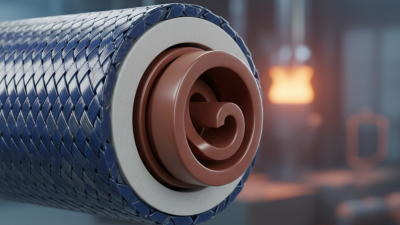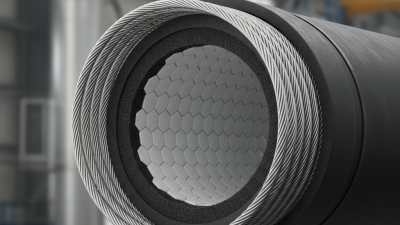
In the world of industrial applications, the **Abrasion Resistant Rubber Hose** plays a crucial role. This specialized hose is designed to withstand harsh environments and rough handling. Its durability makes it ideal for various industries, including construction and mining.
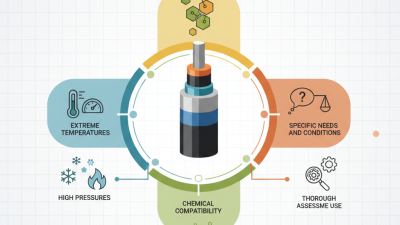
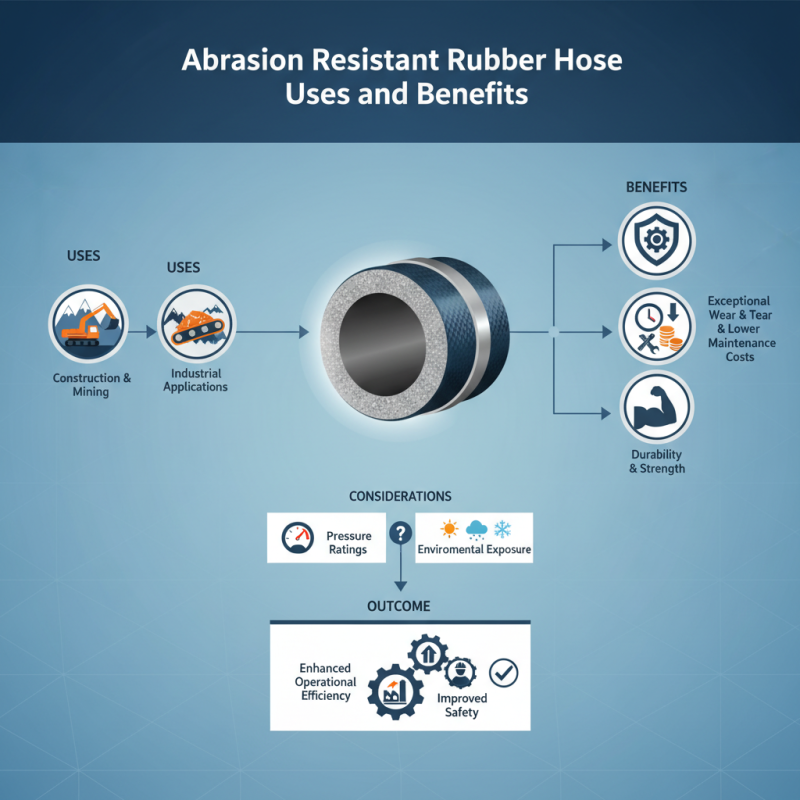
The benefits of using an **Abrasion Resistant Rubber Hose** are significant. For instance, it offers exceptional protection against wear and tear. This leads to less downtime and lower maintenance costs. Users can rely on its strength even in demanding conditions. However, there can be challenges in choosing the right type for specific needs. It's important to consider factors like pressure ratings and environmental exposure.
While the advantages are clear, it's vital to reflect on the appropriate selection process. Not every hose marked as abrasion resistant is suitable for all applications. Misjudgments can lead to equipment failures and safety hazards. Users must fully understand their requirements to make informed decisions. Ultimately, the effective application of **Abrasion Resistant Rubber Hose** can enhance operational efficiency and safety.
Abrasion resistant rubber hoses are essential in various industries across China. These hoses are designed to withstand harsh conditions, including high wear and tear. They serve crucial functions in transporting different materials, such as water, oil, and chemicals. The durability of these hoses ensures operational efficiency and longevity.
Many industries, such as construction and mining, benefit from using abrasion resistant rubber hoses. They can withstand rocks, dust, and other abrasive materials. This quality minimizes downtime and repair costs. Workers appreciate the lightweight nature of these hoses, making them easy to handle. They enhance safety by reducing the risk of leaks and spills.
However, it is essential to recognize that not all abrasion resistant hoses are equal. Some may not perform as expected under specific conditions. Businesses must evaluate their needs carefully when selecting hoses. Investing in high-quality options could yield better results over time. Each application requires consideration of factors like temperature and pressure.
| Dimension | Typical Applications | Material Composition | Temperature Resistance | Benefits |
|---|---|---|---|---|
| ID 1" x OD 2" | Construction, Mining | Natural Rubber, SBR | -40°C to +80°C | High wear resistance, Flexibility |
| ID 2" x OD 3" | Agricultural, Industrial | Nitrile Rubber, EPDM | -30°C to +100°C | Chemical resistance, Durability |
| ID 1.5" x OD 2.5" | Automotive, Oil & Gas | Silicone Rubber, NBR | -50°C to +120°C | Abrasion resistance, Lightweight |
| ID 3" x OD 4" | Marine, Firefighting | CR (Chloroprene), PVC | -20°C to +90°C | Oil resistance, Flame retardant |
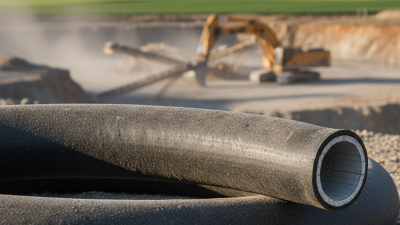
Abrasion resistant rubber hoses play a vital role across various industries. These hoses are engineered to withstand wear and tear, providing longevity in harsh conditions. Key industries such as construction, mining, and agriculture greatly benefit from their durability.
In construction, hoses transport materials without cracking. In mining, they handle abrasive elements effectively, ensuring smooth operations.
Agriculture also relies on these hoses for irrigation systems. They resist cuts and punctures from sharp soil particles. With consistent use, equipment uptime increases, leading to higher productivity. It's essential to choose the right hoses; improper selection can lead to inefficiencies. For example, using a hose not suited for temperature can result in premature failure, impacting critical tasks.
In addition to these benefits, maintenance practices differ by industry. Regular inspections help identify wear early. However, reporting on this can be inconsistent, leading to overlooked issues. Some users may not prioritize hose maintenance, risking operational delays. Understanding specific industry demands is crucial to maximize the advantages of abrasion resistant rubber hoses.
Abrasion resistant rubber hoses play a crucial role in various industrial applications. Their durability helps in reducing maintenance costs. According to recent industry reports, these hoses can extend service life by 30% compared to standard rubber hoses. This increased lifespan translates directly into lower replacement frequency and enhanced operational efficiency.
One significant benefit of using abrasion resistant rubber hoses is their ability to withstand harsh conditions. They are designed to handle high-pressure applications, making them ideal for industries such as mining, agriculture, and construction. The materials used in these hoses often include specialized compounds that resist wear and tear. In fact, a study showed that hoses exposed to abrasive materials experienced 40% less damage with abrasion-resistant technology.
Another advantage is improved safety. Abrasion resistant hoses minimize the risk of leaks and ruptures. In high-stress environments, this reliability can prevent hazardous situations. Data indicates that an estimated 15% of industrial accidents involve hose failures. By investing in high-quality hoses, companies can enhance employee safety while boosting productivity. However, some users remain unaware of the specific benefits, and this gap invites further education and awareness efforts.
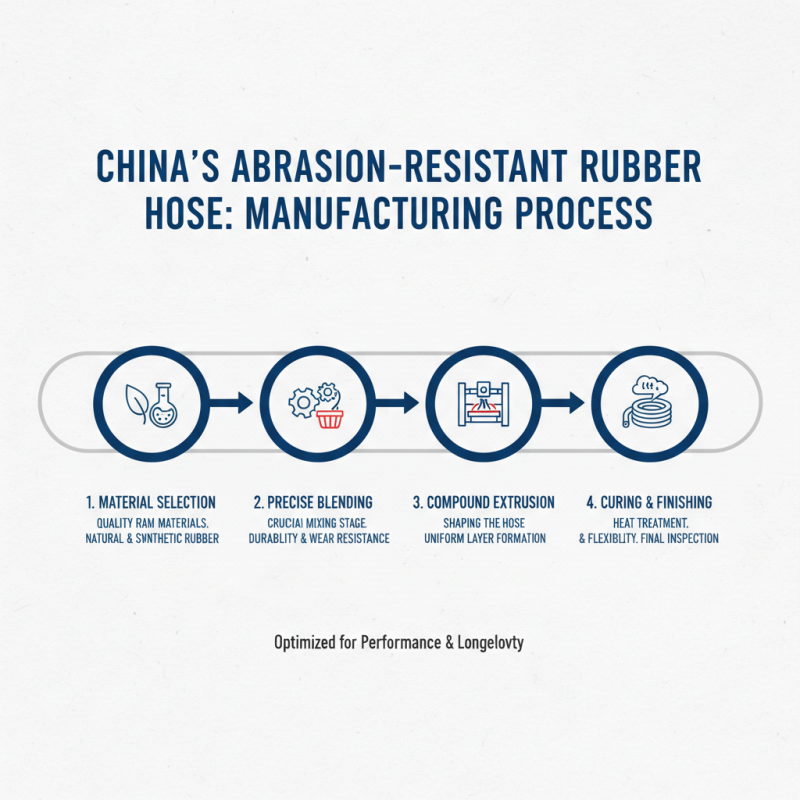
The manufacturing process of abrasion-resistant rubber hoses in China is meticulous. First, raw materials are carefully selected for quality. Natural rubber and synthetic compounds are blended to create a durable material. The mixing stage is crucial. It determines the hose's resistance to wear and tear. This blend must be precise to ensure the best performance.
After mixing, the material undergoes a shaping process. Molding machines form the hose into required dimensions. Factors like temperature and pressure are tightly controlled. Any error here can compromise the final product. Once molded, the hoses are cured in ovens. This step strengthens the rubber and enhances its properties.
Testing is vital throughout the production. Each batch is inspected for durability and flexibility. Some manufacturers prioritize speed over quality. This can lead to issues down the line. Customers rely on the hoses to perform under tough conditions. Any failure can result in costly downtime. The process needs constant refinement and feedback to achieve excellence.
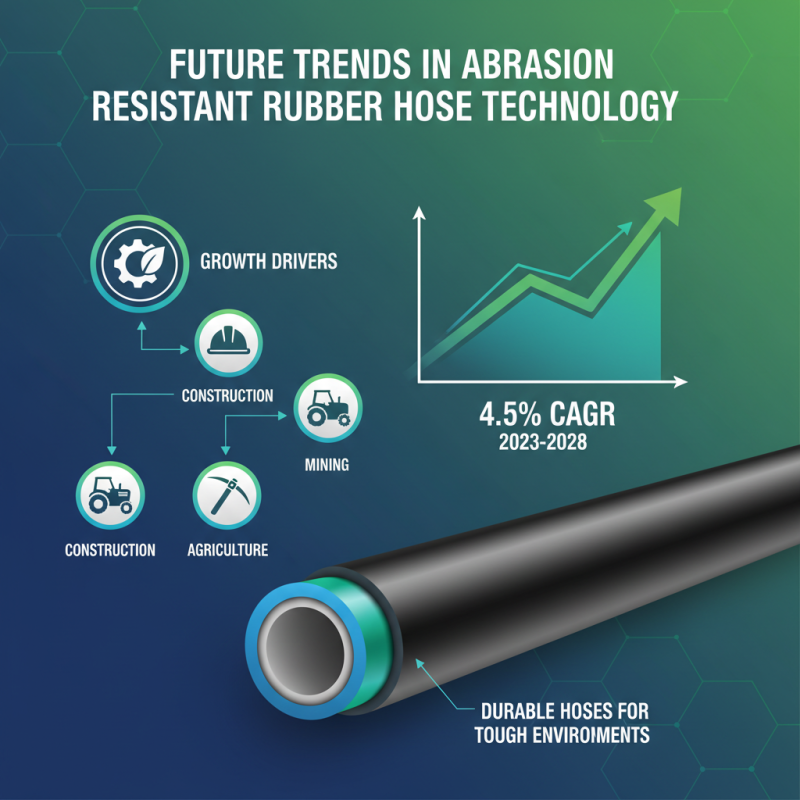
The future of abrasion resistant rubber hose technology is promising. Industry reports predict a compound annual growth rate (CAGR) of 4.5% from 2023 to 2028. This growth is driven by increasing demand in industries such as construction, agriculture, and mining. These sectors require durable hoses to withstand tough environments.
Innovative materials are at the forefront of this evolution. New compounds are being developed to enhance flexibility and resistance to wear and tear. A study from the Rubber Manufacturers Association indicates that hoses incorporating advanced polymers show a 30% improvement in lifespan. However, challenges remain. It’s essential to balance performance with cost. Not all industries can afford high-end materials.
Sustainability is also becoming a focal point. Manufacturers are exploring eco-friendly materials that reduce environmental impact. The demand for recyclable hoses is on the rise. Nonetheless, adopting these materials may not meet all durability requirements. There is a need for ongoing research to find optimal solutions that meet performance standards while being environmentally responsible.