How to Choose the Best Chemical Resistant Hose for Your Needs?
Choosing the right Chemical Resistant Hose can be a daunting task. The market offers many options, making it difficult to know where to start. Different chemicals require specific materials and designs. A hose that works for one application may fail in another.
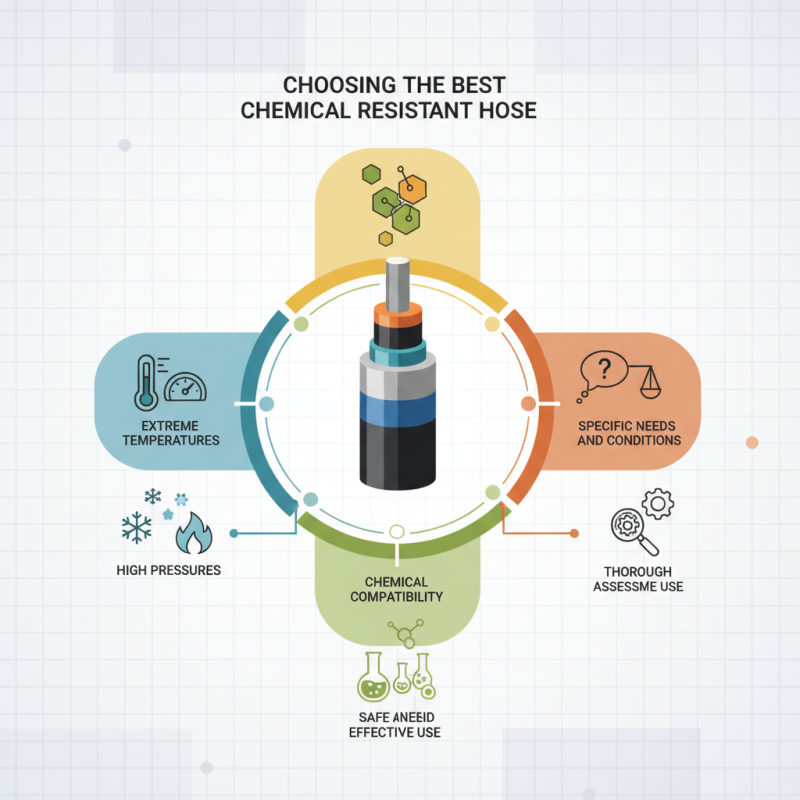
Consider the environment where the hose will be used. Will it face extreme temperatures or high pressures? These factors can affect the performance of the hose. Look for hoses that are designed to withstand such conditions. Pay attention to the chemical compatibility of the materials. This will ensure safe and effective use.
Reflect on your specific needs and conditions. Sometimes, the best hose isn't the most expensive one. It's about finding a solution that meets your requirements. A thorough assessment can lead to better decisions and improved outcomes. Selecting a Chemical Resistant Hose doesn't have to be complicated if you approach it thoughtfully.
Factors to Consider When Selecting a Chemical Resistant Hose
Choosing the right chemical-resistant hose involves several key factors. First, consider the chemical compatibility. Different materials react uniquely with specific chemicals. A hose that works well with one substance might fail with another. Review the hose material carefully. Common options include PVC, rubber, and Teflon. Each has its pros and cons, which can affect the longevity of the hose.
Next, examine the temperature and pressure ratings. Remember, extreme temperatures can lead to hose degradation. High-pressure applications require hoses specifically rated for such stress. Pay attention to the size and length of the hose as well. A hose that is too short can limit flexibility. Conversely, an overly long hose may create pressure drops, complicating your system.
Finally, assess the environment where the hose will be used. If it will be exposed to UV light or harsh weather, make sure it can withstand those conditions. It is essential to consider installation and maintenance as well. An improperly installed hose can lead to leaks. Regular checks can help avoid unexpected failures. Think deeply about these aspects to find the best hose for your needs.
Factors to Consider When Selecting a Chemical Resistant Hose
Types of Chemical Resistant Hoses Available in the Market
When selecting a chemical resistant hose, it’s crucial to understand the types available. Each type serves different purposes based on the chemicals they will encounter. For instance, PVC hoses are popular for their versatility and affordability. They handle a wide range of chemicals but may not resist heat well.
On the other hand, rubber hoses excel when dealing with higher temperatures. They are often more durable but can be heavier. For very aggressive chemicals, fluoropolymer hoses are an excellent choice. These hoses offer unmatched resistance but can be pricier. In certain situations, a less expensive hose may seem tempting, but it could potentially lead to failures or leaks.
Choosing a suitable hose requires careful thought about specific needs. Consider the chemical composition, temperature, pressure, and flexibility. Each factor impacts the hose's lifespan and performance. Sometimes, the right choice may not be the most obvious one. Take the time to weigh options before making a decision.
Understanding Chemical Compatibility for Hose Materials
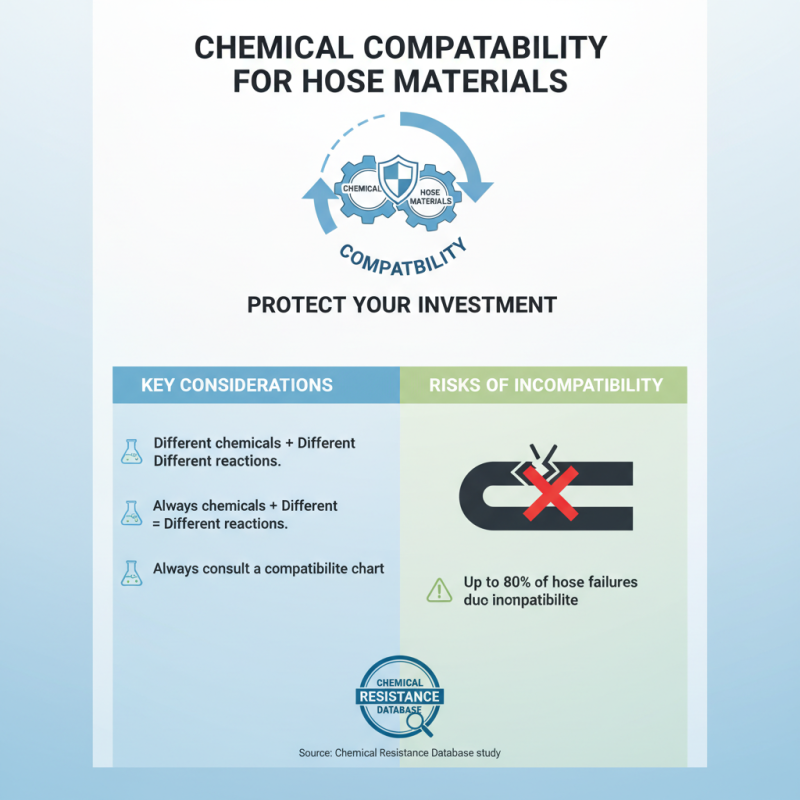
When choosing a chemical resistant hose, understanding material compatibility is crucial. Different chemicals react differently with various hose materials. For example, a study by the Chemical Resistance Database shows that up to 80% of hose failures can be traced back to chemical incompatibility.
Polyvinyl chloride (PVC) is often used for its affordability. However, it presents limitations with strong acids. This can lead to rapid degradation, making it unsuitable for certain tasks. In contrast, fluoropolymer hoses exhibit high resistance to chemicals. Their molecular structure provides superior durability. Yet, this comes at a higher cost, which may not fit every budget.
Testing compatibility before selecting a hose is essential. Industry standards suggest conducting a compatibility test with your specific chemicals. A report by the Hose Manufacturers Association indicates that over 60% of users fail to perform this critical check. This oversight can lead to unexpected failures and safety hazards. It's wise to prioritize compatibility, which can save time and money in the long run.
Evaluating Hose Specifications for Pressure and Temperature Ratings
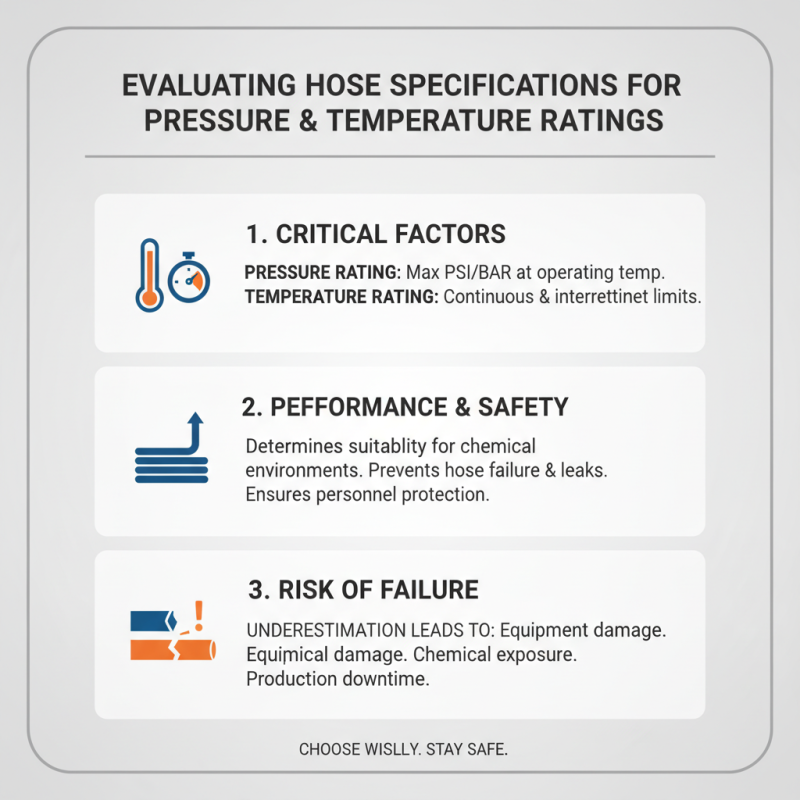
Choosing the right chemical resistant hose requires careful evaluation of specifications, especially pressure and temperature ratings. These ratings determine how well a hose will perform in different environments. Underestimating these factors can lead to failure and safety hazards.
Pressure ratings indicate the maximum pressure a hose can handle. If the rating is too low, the hose may burst under stress. Temperature ratings also play a crucial role. Each chemical reacts differently to heat. A hose that works at lower temperatures may fail in high heat situations.
It’s essential to analyze the specific chemicals that will be transported. Some materials might degrade faster under certain conditions. Regular inspections can help identify wear and tear. Over time, damage might not be visible, so don’t overlook this aspect. Remember, even a slight oversight can lead to significant issues. Ensure your hose choices align with both pressure and temperature needs. This diligence can save time, money, and prevent dangerous accidents.
Maintenance Tips for Extending the Life of Your Chemical Hose
Chemical hoses are vital in various industries. They handle hazardous substances. Proper maintenance is essential for longevity. Regular checks can avert problems later.
Inspect hoses for wear and tear. Look for cracks or bubbles. These signs indicate stress. If found, it's time to replace them.
Clean hoses after use. Residue buildup can lead to degradation. Use appropriate cleaning solutions. However, test them on a small section first. Regularly check fittings for leaks. Ensure connections are tight. Loose fittings can cause leaks, wasting materials.
It’s crucial not to overlook this.
Store hoses in a cool, dry place. Sunlight can damage them over time. Avoid kinks or bends when coiling. Improper storage can lead to premature failure. Reflect on your regular practices to identify areas for improvement.
Adjust your routine based on observations. A little attention goes a long way.