How to Choose the Right Ceramic Lined Hose for Your Needs?
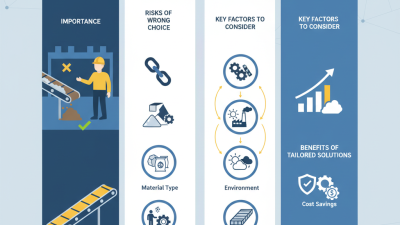
Choosing the right Ceramic Lined Hose can significantly impact your operation's efficiency and durability. According to industry expert Dr. Emily Carter, "A proper selection of ceramic lined hoses can minimize wear and enhance performance." This highlights the importance of understanding your specific needs.
Ceramic Lined Hoses are essential for transporting abrasive materials. Consider your application's temperature, pressure, and the type of materials being conveyed. Each factor plays a role in the hose's longevity and functionality. Investing time in your selection process can save costly replacements down the line.
However, not all hoses are created equal. Some may seem appealing but lack the necessary specifications. Be wary of overly generic options. It’s crucial to analyze various brands and their offerings. Quality should not be compromised for price. Making an informed choice can lead to improved operational efficiency and reduced downtime.
Understanding the Basics of Ceramic Lined Hoses
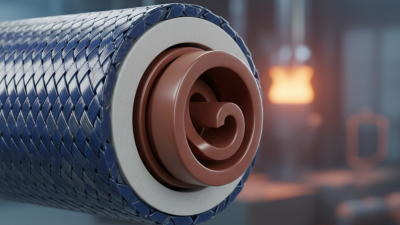
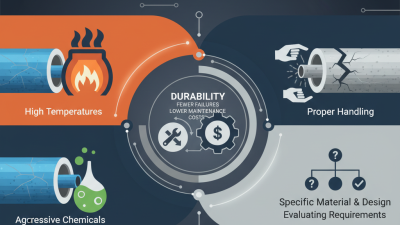
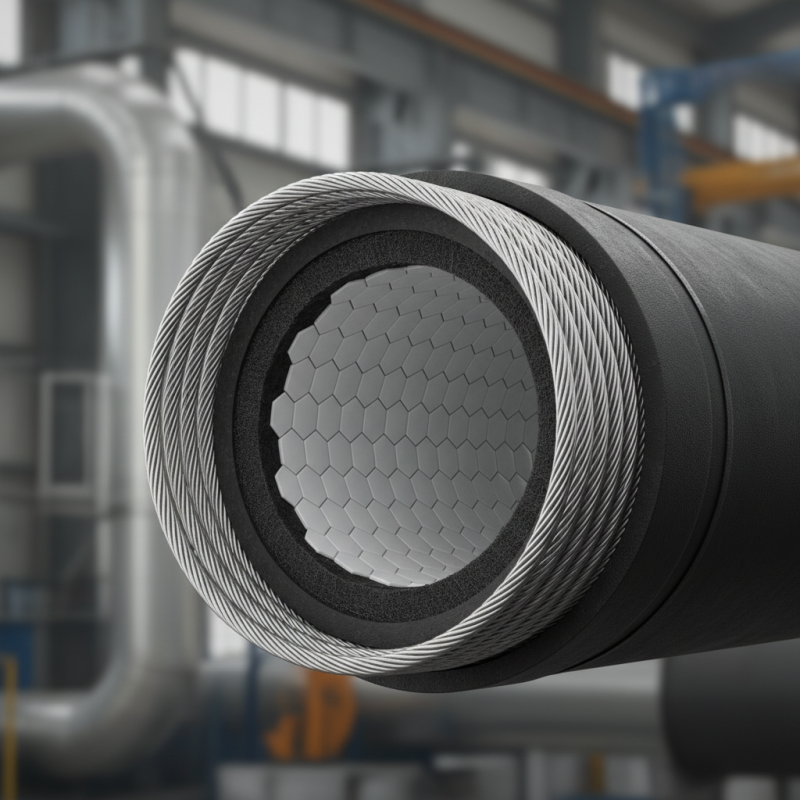
Ceramic lined hoses are designed to handle abrasive materials effectively. Understanding the basics is essential for selecting the right type for your application. These hoses are typically lined with ceramic materials that enhance durability and reduce wear. Research indicates that ceramic lined hoses can last up to five times longer than standard rubber hoses in abrasive environments. This durability translates into lower maintenance costs and fewer replacements over time.
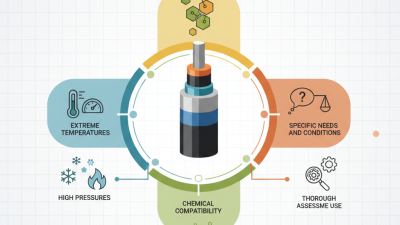
When choosing a ceramic lined hose, consider the type of material you will be transporting. Different ceramic materials have varying resistance levels to heat and chemical exposure. Some reports suggest that the wrong material selection can lead to premature failure. Evaluate the specific conditions your hose will face, such as temperature fluctuations and chemical interactions.
Tips: Always consult product specifications to ensure compatibility with your operation. Regularly inspect your hoses for signs of wear, even if they seem fine. This proactive approach can prevent costly downtime. Be mindful of installations; improper fittings can affect performance and lead to leaks, which is an area often overlooked.
Understanding these nuances is crucial for maximizing hose lifespan and operational efficiency.
Key Factors to Consider When Choosing a Ceramic Lined Hose
Choosing the right ceramic lined hose hinges on several key factors. The applications these hoses serve are diverse, from handling abrasive materials to high-temperature environments. Understanding the specifics ensures that you select a product that meets your operational requirements.
Material integrity is crucial. According to industry reports, up to 70% of hose failures stem from material incompatibility. Examine the ceramic lining for its chemical resistance. This is especially important in industries like mining and construction. Vibrational stress also takes a toll. A hose that cannot withstand fluctuations may fail prematurely, impacting overall productivity.
Another vital aspect to consider is the hose size and flexibility. A report from the Hose Manufacturers Association suggests that improper sizing can reduce flow efficiency by as much as 30%. Many overlook this detail, leading to inefficiency. Furthermore, the bending radius is significant. It can dictate how the hose performs under pressure. Rigid hoses may not fit all installations, requiring careful evaluation of your setup. Selecting the right hose is not merely about meeting specifications; it's also about long-term reliability and performance.
Different Types of Ceramic Lined Hoses and Their Applications
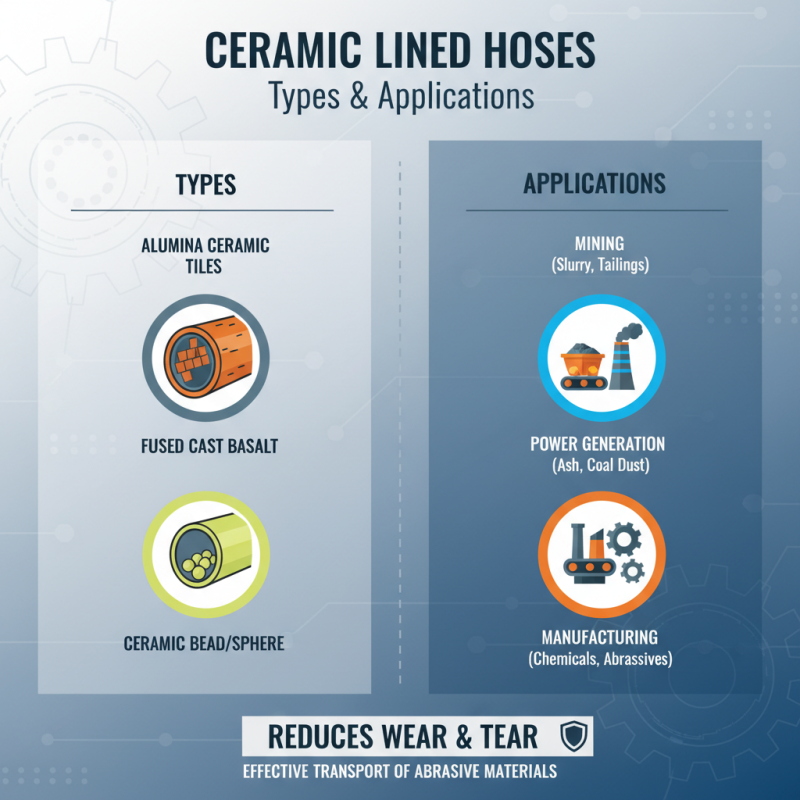
When selecting a ceramic lined hose, understanding the types and their applications is crucial. Ceramic lined hoses are often used in industries like mining, power generation, and manufacturing. They effectively transport abrasive materials, reducing wear and tear.
There are several types of ceramic lined hoses, each tailored for specific uses. For example, some hoses are designed for high-pressure applications, while others focus on flexibility. Certain hoses can handle extreme temperatures, making them suitable for specific processing environments. However, not every hose fits every situation. Consider the material being transported and the operating conditions carefully.
While ceramic lined hoses offer durability, they can also present challenges. Installation requires careful attention to detail. Improper installation can lead to leaks and increased maintenance costs. Users should regularly inspect hoses for signs of wear. Reflecting on the specific needs of your application can help in choosing the right option. It's important to balance cost with performance to ensure efficiency and reliability in operations.
Evaluating Durability and Performance of Ceramic Lined Hoses
When choosing a ceramic lined hose, durability and performance stand out as critical factors. Ceramic materials are known for their high hardness and excellent abrasion resistance. These properties make them ideal for handling abrasive materials in various industries. However, not all ceramic lined hoses are created equal. Their performance can vary significantly depending on the manufacturing process and materials used.
Evaluating the durability of these hoses involves several considerations. Look for specifications such as temperature resistance and flexibility. Some hoses may crack under extreme conditions, while others remain reliable. Pay attention to the thickness of the ceramic lining as well; a thicker layer often translates to better longevity. Ensure the hose is suitable for your specific applications, whether it be in mining, construction, or another field.
Performance also extends to the hose's ability to handle various pressures and flow rates. An improperly matched hose can result in failures or inefficient workflows. The compatibility with other equipment is equally vital. Sometimes, a more expensive option proves to deliver better results in the long run. Regular assessments of the hoses can reveal issues that may not be immediately apparent. Addressing these concerns early helps maintain operational efficiency.
Durability and Performance Metrics of Ceramic Lined Hoses
This chart illustrates the performance metrics of ceramic lined hoses in various categories, helping in the evaluation of their durability and performance. Higher scores indicate better performance in terms of abrasion resistance, temperature resistance, pressure rating, flexibility, and weight.
Maintenance Tips for Ceramic Lined Hoses to Ensure Longevity
Ceramic lined hoses are vital in many industries, especially where abrasion resistance is crucial. Proper maintenance can significantly extend their lifespan. According to a report by the American Society of Mechanical Engineers (ASME), improper handling can reduce hose life by up to 50%. Understanding how to care for these hoses is essential for optimal performance.
One key maintenance tip is regular inspection. Look for any signs of wear or damage. Pay attention to the ends where abrasion is most likely to occur. Replacing damaged parts early can prevent more extensive failures. Another important aspect is proper cleaning. Sand, dust, and debris can accumulate and cause premature wear. Regularly flushing the inside of the hose can help maintain its integrity.
Avoiding extreme temperatures can also enhance the longevity of ceramic lined hoses. Exposure to high heat can weaken the hose structure. Most ceramic lined hoses perform best within a specific temperature range. Make sure to know that range and stick to it. These precautions may seem small, but they can lead to significant improvements in hose performance and lifespan.
How to Choose the Right Ceramic Lined Hose for Your Needs? - Maintenance Tips for Ceramic Lined Hoses to Ensure Longevity
| Hose Type |
Inner Diameter (inches) |
Pressure Rating (psi) |
Max Temperature (°F) |
Ceramic Lining Thickness (mm) |
Application |
| Standard Ceramic Hose |
2 |
150 |
200 |
5 |
Mining Slurry |
| High-Pressure Ceramic Hose |
3 |
300 |
250 |
7 |
Chemical Transfer |
| Wear-Resistant Ceramic Hose |
4 |
200 |
180 |
6 |
Sand and Gravel Transport |
| Flexible Ceramic Hose |
2.5 |
180 |
220 |
4 |
Oil and Gas Transfer |
| Heavy Duty Ceramic Hose |
5 |
400 |
300 |
8 |
Heavy Materials Handling |