How to Choose the Right Conveyor Belt Cleaner for Your Industry Needs?
Choosing the right Conveyor Belt Cleaner is crucial for various industries. It ensures efficiency and minimizes downtime. Daniel Rivers, a conveyor systems expert, once stated, "A well-maintained conveyor belt system is the backbone of productivity." This statement highlights the importance of selecting the right cleaning solutions.
In many settings, contamination can cause serious issues. Dust and material buildup can lead to safety hazards and equipment failure. It's not just about cleaning; it's about maintaining operational integrity. Each industry has unique needs that can complicate this choice. The wrong tool can lead to ineffective cleaning, wasting time and resources.
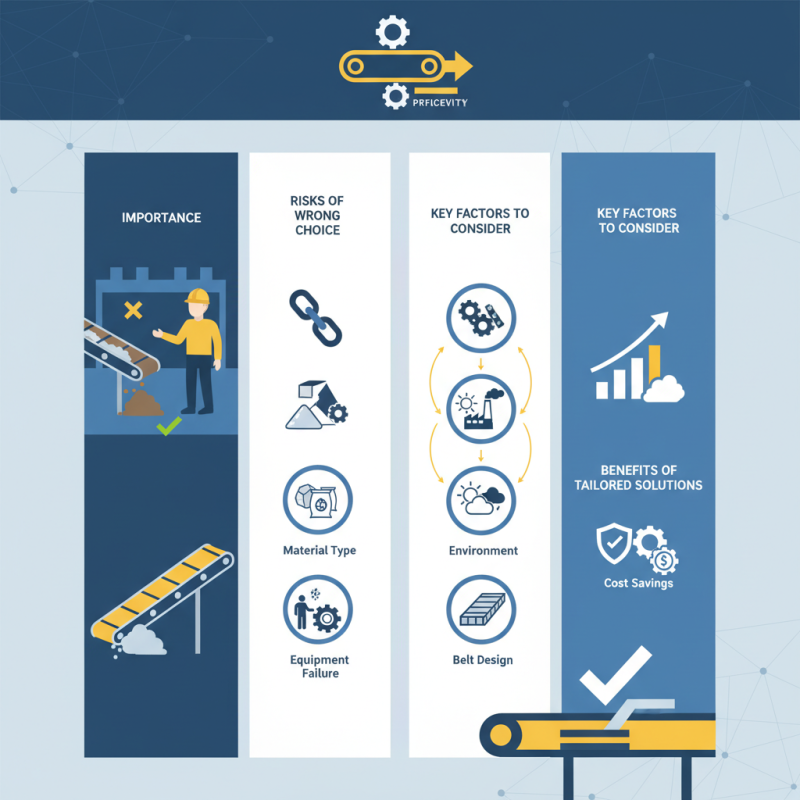
Many companies overlook the specifics of their operations. They often choose a generic solution without considering their environment. This can lead to costly mistakes. Assessing factors like material type, environment, and belt design is essential. A tailored approach is often more effective. Making informed decisions can improve long-term productivity and safety.
Understanding the Importance of Conveyor Belt Cleaners in Various Industries
Conveyor belt cleaners play a critical role across various industries. They ensure that belts operate efficiently and last longer. A clean conveyor belt prevents material buildup that can lead to costly downtime. In food processing, for instance, cleanliness is vital. Contaminated products can damage a brand's reputation. An effective cleaner can help maintain hygiene standards.
In bulk material handling, the right cleaner reduces spillage and leakage. This is essential for safety and environmental protection. Many facilities overlook this aspect, which can lead to problems. Without proper cleaning, heavy materials accumulate, causing wear and tear on the belt. Regular maintenance can sometimes feel burdensome, but neglecting it is riskier.
Choosing the right cleaner is not straightforward. Different materials and environments require specific solutions. Decision-makers need to analyze their industry's unique needs. They should consider factors such as belt speed and material type. It’s not just about picking a cleaner; it’s about optimizing the whole system. Finding the perfect balance can be challenging yet rewarding.
Conveyor Belt Cleaner Effectiveness Across Industries
This chart illustrates the effectiveness rating of conveyor belt cleaners across different industries, indicating their crucial role in maintaining operational efficiency and hygiene standards.
Identifying the Different Types of Conveyor Belt Cleaners Available
When selecting a conveyor belt cleaner, it is essential to consider the various types available. Different applications require different solutions. There are mechanical cleaners, which often use blades or brushes to remove material. These are effective in certain industries but can cause wear on the belts over time. You may find that using them increases maintenance costs unexpectedly.
Another option is chemical cleaners. These cleaners use solutions to break down sticky residues. They can be very effective, but their usage needs careful monitoring. Chemical residues may affect the quality of the transported materials. Regular testing is required to ensure safety and compliance with industry standards. Sometimes, choosing the right cleaner involves trial and error.
Air cleaners offer a low-impact solution. They use air jets to remove debris without physical contact. These systems often reduce wear on belts but might not work well with heavy materials. Understand that each environment is unique. Factors like the material type and conveyor design can lead to different results.
Evaluating these aspects is crucial for making the best choice.
Evaluating Industry-Specific Requirements for Conveyor Belt Cleaners
Choosing the right conveyor belt cleaner involves understanding specific industry needs. Many sectors, from food production to mining, have different challenges. According to a report by the Conveyor Equipment Manufacturers Association, 85% of companies cite debris buildup as a major concern. This highlights the importance of tailored cleaning solutions.
For instance, the food industry requires strict sanitation standards. Cleaners must effectively remove contaminants without harming the product. In contrast, mining operations may prioritize durability over food safety. Their environments are harsher, which means cleaners must withstand heavy wear. According to a study by the National Institute for Occupational Safety and Health, improper cleaning can lead to significant efficiency losses.
Many businesses struggle with the balance between effectiveness and cost. Some might lean towards more affordable options but face maintenance issues later. Regular assessments of cleaning performance are crucial. Industry benchmarks can guide improvements, ensuring systems meet safety and operational goals. Maximizing efficiency while adhering to safety standards is essential.
Factors to Consider When Selecting a Conveyor Belt Cleaner
Selecting the right conveyor belt cleaner is essential for maintaining efficiency in your operations. Different industries have unique requirements. A food processing plant may need a cleaner that prevents contamination. On the other hand, a mining facility might prioritize strength and durability for heavy materials. Understanding your industry’s specific needs is crucial.
Material type plays a significant role. Some cleaners are designed for delicate materials, while others handle more abrasive substances. Factor in the size of your conveyor belts. Cleaners must fit appropriately to avoid ineffective cleaning. Additionally, consider the installation process. A complicated setup could lead to downtime, which is costly. Lastly, think about the maintenance needs of the cleaner. Regular upkeep is vital for long-term effectiveness, but it adds to labor costs. Finding a balance that works for your operation can be challenging.
How to Choose the Right Conveyor Belt Cleaner for Your Industry Needs?
| Industry |
Recommended Cleaner Type |
Key Factors |
Maintenance Frequency |
| Food Processing |
Brush Cleaner |
Material safety, hygiene compliance |
Daily |
| Mining |
Secondary Cleaner |
Heavy-duty performance, durability |
Weekly |
| Logistics |
Air Knife Cleaner |
Efficiency, space constraints |
Bi-weekly |
| Manufacturing |
String Cleaner |
Precision, noise level |
Monthly |
| Pharmaceutical |
Wet Cleaner |
Sterilization, material compatibility |
Daily |
Best Practices for Implementing Conveyor Belt Cleaning Solutions
Choosing the right conveyor belt cleaner is crucial for operational efficiency. Implementing effective cleaning solutions can significantly reduce downtime. According to a recent industry report, up to 80% of conveyor system failures are due to material buildup. This highlights the importance of regular cleaning.
First, assess the specific needs of your industry. Different materials and environments require tailored cleaning solutions. For instance, food processing facilities often face stringent sanitary standards. Using a cleaner that can eliminate residue without damaging the belt is essential. Regular maintenance checks ensure that the chosen solution is still effective over time.
However, many facilities overlook the cost of neglecting this aspect. A report from the Conveyor Equipment Manufacturers Association states that inadequate cleaning can lead to a 25% loss in efficiency. This demonstrates the financial impact of poor maintenance choices. Ensuring proper training for personnel on cleaning protocols can be a game-changer. Sometimes, outdated methods persist simply due to familiarity. Embracing innovation in cleaning technology often leads to better performance and reduced operational costs.