10 Essential Tips for Choosing the Right Conveyor Belt Cleaner
Choosing the right Conveyor Belt Cleaner is essential for operational efficiency. A clean conveyor system minimizes downtime and enhances productivity. According to industry reports, improper maintenance costs companies approximately $50 billion annually.
Selecting a suitable cleaner can be challenging. Many options claim to be effective, yet results vary. Inadequate cleaning leads to material buildup, which affects equipment performance and product quality. For example, even a slight misalignment in cleaning can lead to significant losses over time.
Investing in a quality Conveyor Belt Cleaner is vital. Not all cleaners are created equal. Data shows that businesses often overlook the importance of compatibility with their specific conveyor systems. Ultimately, the choice must fit the unique needs to ensure long-term benefits.
Understanding the Importance of Conveyor Belt Cleaners
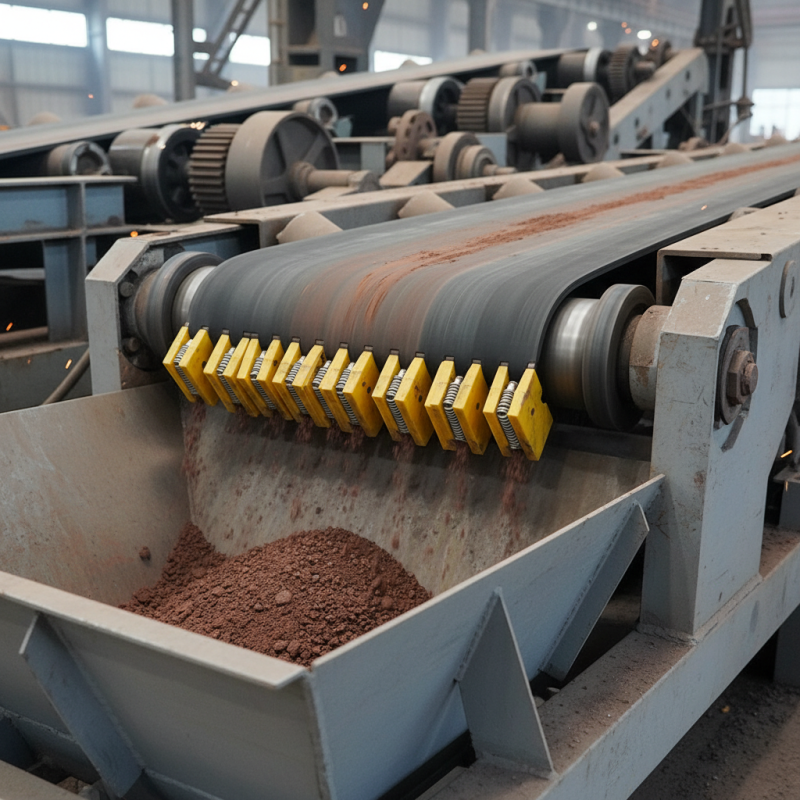
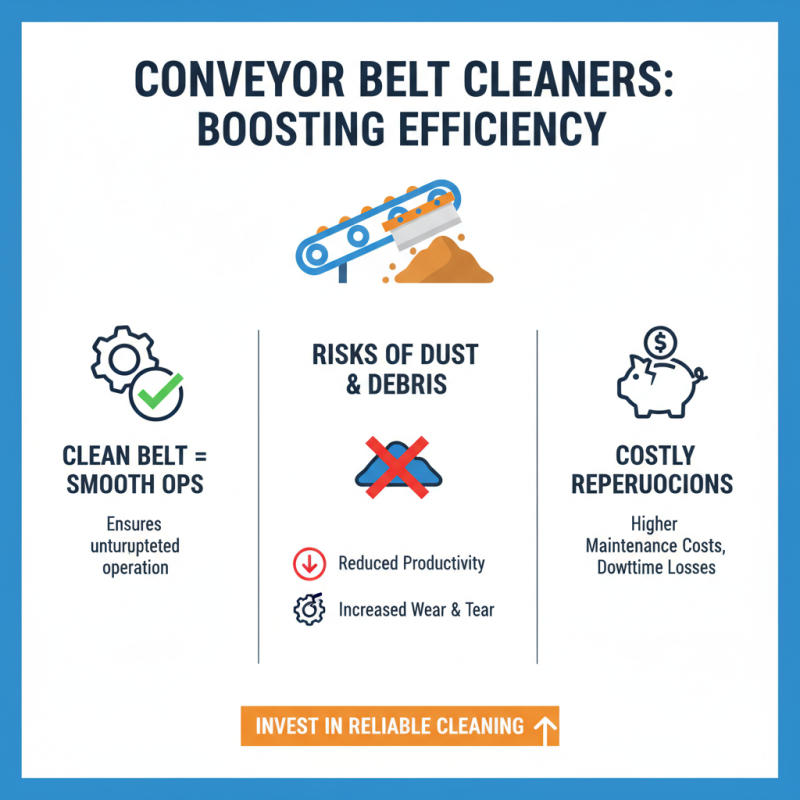
Conveyor belt cleaners play a vital role in maintaining efficiency. A clean conveyor belt ensures smooth operations. Dust and debris can lead to significant issues. These issues include reduced productivity and increased wear. Ignoring the need for a reliable cleaning system can have costly repercussions.
Choosing the right cleaner requires careful thought. Factors like belt type and material are crucial. Not every cleaner fits every belt. It's important to assess the environment as well. For example, wet or sticky materials may need specialized solutions. Some cleaners may not handle these effectively. This oversight can lead to inconsistent cleaning performance and heightened maintenance needs.
Understanding the importance of cleaner selection is essential. Poor choices can create additional costs over time. Excessive wear on belts can occur from inadequate cleaning. This can result in unexpected downtimes. Reflecting on previous experiences can aid in better decision-making. A thoughtful approach to cleaner selection pays off. It ensures both productivity and longevity of equipment.
Factors to Consider When Selecting a Conveyor Belt Cleaner
When selecting a conveyor belt cleaner, several key factors come into play. The type of material being handled is crucial. For instance, bulk materials can lead to increased wear and contamination on the conveyor system. It is important to choose a cleaner that can effectively handle the specific challenges of your materials. According to a report by the Conveyor Equipment Manufacturers Association, improper cleaning can increase maintenance costs by up to 35%.
Consider the design and accessibility of the cleaner. A unit that is easy to install and maintain can save time and reduce operational downtime. Maintenance staff should be able to perform their tasks efficiently. The right cleaner might require fewer adjustments and less frequent monitoring. This can lead to improved overall productivity.
Another important point is the versatility of the cleaner. It should adapt to different belt widths and configurations. Take into account different operating conditions, such as temperature and humidity. Choosing a cleaner that can withstand these factors can prevent costly breakdowns in the long run. As you evaluate options, remember to reflect on both immediate needs and long-term goals. The best choice should align with both current operations and future scalability.
10 Essential Tips for Choosing the Right Conveyor Belt Cleaner
Types of Conveyor Belt Cleaners and Their Applications
When choosing a conveyor belt cleaner, it’s essential to understand the various types available. Each type serves unique applications, which can greatly affect performance. For example, mechanical cleaners are often ideal for heavier materials. They provide robust cleaning, but may require regular maintenance. On the other hand, chemical cleaners help in reducing build-up on belts with lighter applications. Their effectiveness can vary based on the specific material being handled.
Another option to consider is the use of high-pressure cleaners. These can be very effective in removing stubborn material. However, they may not work well in every environment. Some operators find that the water usage is excessive. This can lead to concerns about waste and efficiency. Similarly, brush-type cleaners are versatile but might not be suitable for all belt types. Understanding the characteristics of the belt itself is crucial for making the right choice.
It's important to think about installation and compatibility. Some cleaners may not fit every setup. This can create additional challenges. Also, evaluate the total cost of ownership. A low initial price may not guarantee long-term savings. Regularly review the performance of the chosen cleaner. Adjustments might be needed over time to meet your operational needs.
Evaluating the Effectiveness and Efficiency of Cleaners
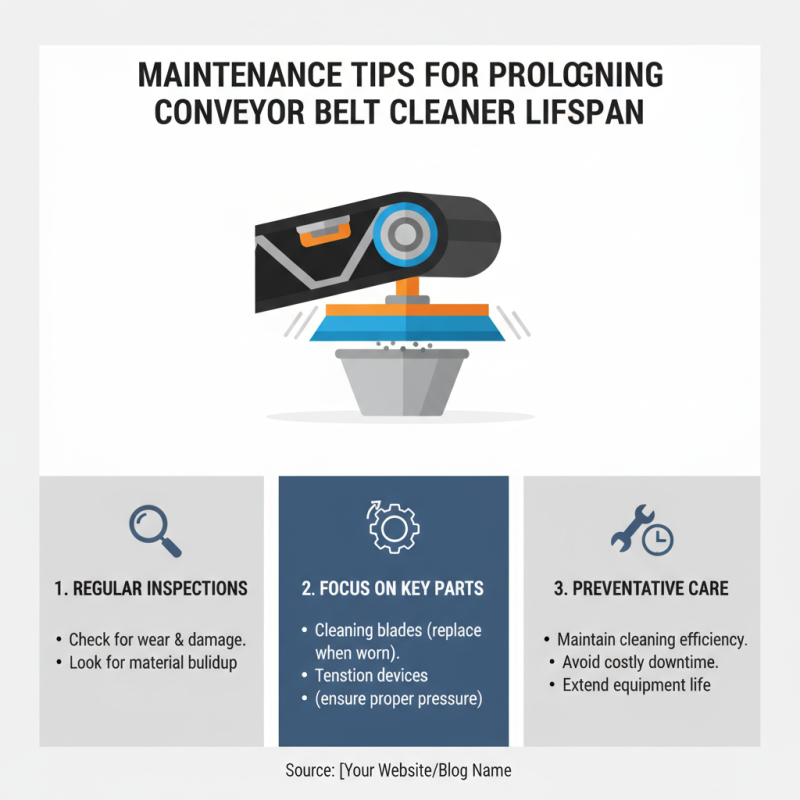
Choosing the right conveyor belt cleaner involves understanding its effectiveness and efficiency. Effectiveness refers to how well the cleaner removes debris and contaminants from the belt surface. The cleaner's design should match the specific type of material being handled. For instance, heavy materials might need a more robust cleaner. A simple visual inspection can often reveal if buildup is occurring.
Efficiency is another critical factor. A cleaner that uses excessive water or cleaning agents can lead to increased operational costs. It’s essential to assess the water consumption and energy requirements of each cleaner. Frequent maintenance checks are important. They can reveal whether a cleaner is consistently performing as expected or if adjustments are necessary. Sometimes, after using a cleaner for a period, its effectiveness might diminish. Regular reflection on performance will help improve cleaning processes over time.