10 Essential Tips for Choosing the Right Corrugated Compensator?
Choosing the right Corrugated Compensator is crucial for various applications in industries like oil and gas, aerospace, and manufacturing. According to a report by MarketsandMarkets, the global market for compensators is expected to reach $1.4 billion by 2025, driven by the growing need for efficient fluid and gas transfer systems. This trend emphasizes the importance of selecting appropriate components that ensure safety, efficiency, and longevity.
Expert John Williams, a leading authority in the field, states, “The right Corrugated Compensator can enhance system performance and reduce maintenance costs significantly.” This insight sheds light on the implications of poor choices. Many organizations overlook essential factors, leading to equipment failures and costly downtimes. Therefore, understanding the specifications, materials, and installation techniques is vital for optimal performance.
Investing time and resources in selecting the correct Corrugated Compensator is not just advisable; it is necessary. With so many options available, making a decision can be overwhelming. However, neglecting this step may result in serious operational setbacks. Manufacturers and engineers must prioritize informed decisions to improve overall system reliability and reduce risk.
Understanding the Purpose of Corrugated Compensators in Piping Systems
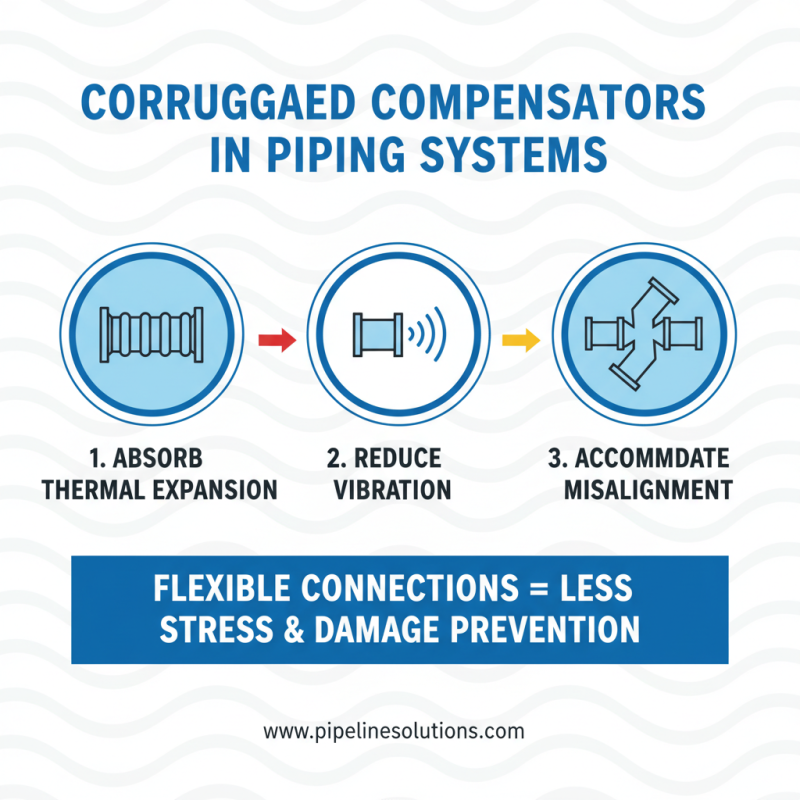
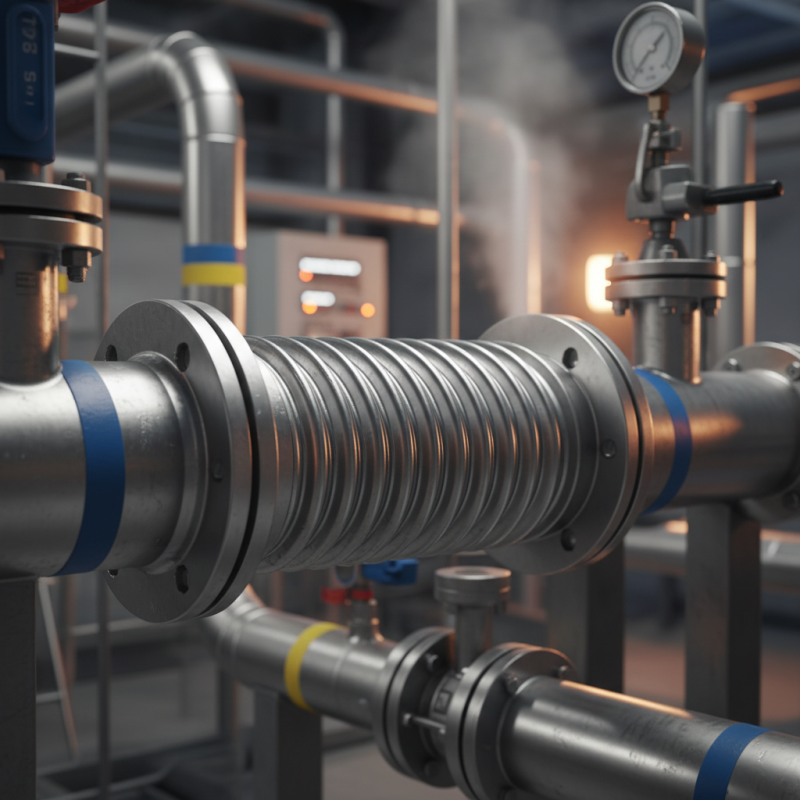
Corrugated compensators play a crucial role in piping systems, serving as flexible connections. They absorb thermal expansion, vibration, and misalignment. This flexibility reduces stress on piping structures, preventing damage over time.
When choosing a corrugated compensator, consider the fluid type passing through it and the operating conditions. High temperatures and pressures require specialized materials. Always check the specific requirements regarding the pressure rating and installation environment. Inadequate choices can lead to system failures, costly repairs, and safety hazards.
It's easy to overlook details that seem minor. Installation errors often arise from a lack of attention to proper alignment. Improper installation can negate the benefits of a well-chosen compensator. Reflecting on past mistakes can help refine your selection process. Always verify your choices against industry standards. Every decision matters in maintaining system integrity and efficiency.
Key Factors to Consider When Selecting Corrugated Compensators for Your Needs
Choosing the right corrugated compensator is crucial for various applications. Several key factors can impact your selection process. Understanding these factors can lead to better performance and longevity.
Material is one of the most important considerations. Different materials can handle different pressures and temperatures. Stainless steel is often a good choice for durability. However, think about the environment where the compensator will be used. Corrosion may be an issue in some settings, so choose accordingly.
Another essential tip is sizing. The correct size impacts flow and performance significantly. A compensator that is too small may cause blockages. Conversely, one that is too large might lead to inefficiency. Take the time to measure accurately before making a decision. Poor sizing can lead to costly mistakes.
Don't overlook installation requirements. The installation process can vary based on the system layout. A compensator that’s easy to install will save time and labor. Consider consulting with professionals if you're unsure about the best fit for your system. Complexity in installation can lead to unnecessary frustration and delays.
Material Options for Corrugated Compensators: Pros and Cons
When choosing a corrugated compensator, material selection is crucial. The common options include metal, rubber, and polymer. Each material has distinct advantages and drawbacks.
Metal compensators, such as stainless steel, offer durability. They resist high temperatures and pressure. However, they can be heavy and more expensive. In contrast, rubber compensators are flexible and lightweight. They are cost-effective but may wear out faster in harsh conditions.
Polymer materials also present a choice. They can be engineered to resist chemicals and corrosion effectively. Yet, their temperature tolerance may not match that of metals. Reflecting on these choices reveals the need for careful consideration. Each material should be assessed based on specific application requirements and environmental factors. Ultimately, selecting the right material might not have a clear path. It's a balance of benefits and challenges.
Evaluating Size and Dimensions for Optimal Fit in Piping Applications
Choosing the right size for a corrugated compensator is crucial. Proper dimensions ensure a perfect fit in your piping system. If you choose incorrectly, it can lead to leaks or damage. Take time to measure your pipes accurately. Inspect the existing setup carefully. Cramped spaces may require smaller compensators.
Consider the pipeline's movement. It affects the length and diameter of the corrugated compensator needed. The goal is to accommodate thermal expansion and contraction. Sometimes, what appears to fit may not perform well under pressure. Testing different sizes can reveal unexpected results. Document measurements to avoid mistakes.
Keep the material in mind too. Different materials have various tolerances. They can influence how well the compensator fits. Don't rush into a decision. Take a step back and reflect on your needs. Gaining a deeper understanding can prevent costly errors later on. Avoiding hasty choices can lead to a successful installation and long-term performance.
Common Applications and Industry Standards for Corrugated Compensators
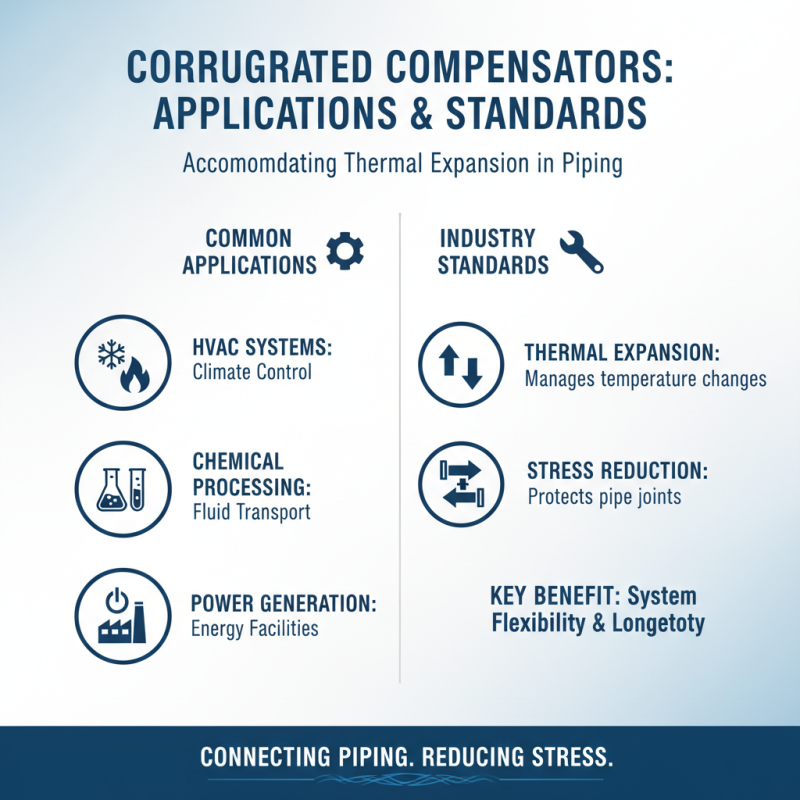
Corrugated compensators are widely used in various industries. They accommodate thermal expansion and contraction in piping systems. Common applications include HVAC systems, chemical processing, and power generation. They help connect different piping systems, reducing stress on joints.
Industry standards play a vital role in the selection of these components. Ensuring compliance can be challenging. Different settings have unique requirements. The right design can prevent failure or leaks, which can be costly. It is crucial to understand these standards for a successful installation.
However, not all materials are created equal. Often, users may overlook the importance of quality when choosing. Using subpar products may lead to frequent replacements. Take time to evaluate the material specifications. Reflect on how it meets the specific needs of your application. This careful consideration can enhance system longevity and performance.