Top Quality Chemistry Hose for Global Purchasing Needs?
In the global market, the demand for high-quality Chemistry Hoses is continually rising. As industries expand, the need for reliable and effective solutions grows too. Dr. Emily Zhang, a renowned expert in chemical engineering, emphasizes the importance of quality in this field. She once stated, “Choosing the right Chemistry Hose can prevent costly failures and ensure safety in operations.”
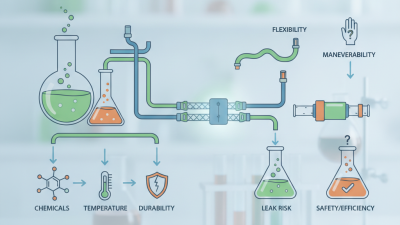
Advancements in materials and design are reshaping the Chemistry Hose industry. Flexible yet resilient hoses are now essential in transferring various chemicals safely. Every detail matters, from the material composition to the fittings used. Companies must not overlook these aspects, as even minor choices can lead to significant consequences. However, with so many options available, the selection process can feel overwhelming.
Furthermore, it's crucial for buyers to consider supplier reliability. Many products can claim superiority, but not all deliver. The challenge lies in identifying trusted brands and understanding certification standards. Potential buyers must invest time in research. Ensuring your operation uses high-quality Chemistry Hoses is not just a choice. It is a vital step towards operational integrity and safety.
Understanding the Importance of High-Quality Chemistry Hoses
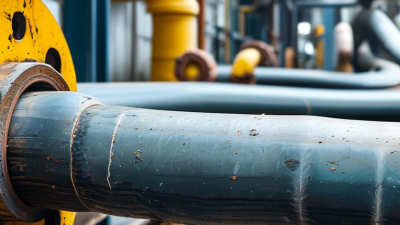
In the field of chemical handling, the importance of high-quality chemistry hoses cannot be overstated. These hoses are essential for safe transportation of various substances. A poor-quality hose can lead to leaks and contamination. You must prioritize quality when selecting hoses for your operations.
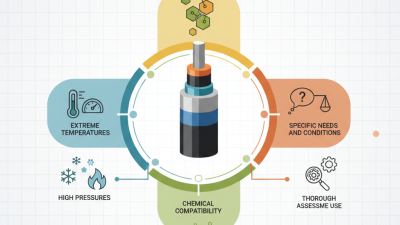
Choosing the right material is crucial. Different chemicals require specific hose materials to prevent degradation. For instance, rubber and PVC are common, but they may not suit all substances. Inspect hoses regularly for wear and tear. This proactive approach can prevent accidents and costly downtime.
Tips: Always check compatibility charts when selecting hoses. This will ensure they withstand the chemicals being transported. Furthermore, consider the hose's pressure rating and temperature limits. Regular maintenance and proper storage can extend the hose life dramatically. Keep records of inspections and replacements to maintain reliability.
In summary, high-quality chemistry hoses contribute significantly to safety and efficiency. The right hose can improve performance and avoid hazardous situations. Investing in quality now pays off in the long run. Quality assurance in hose selection is not just recommended; it is essential.
Key Materials Used in Manufacturing Top-Tier Chemistry Hoses
When selecting high-quality chemistry hoses, the choice of materials is crucial. Common materials include EPDM, PVC, and PTFE. Each material offers distinct advantages for chemical resistance. For example, EPDM hoses are known for their durability against ozone and weathering, making them suitable for outdoor applications. A recent industry report indicates that EPDM is favored in environments exposing hoses to harsh conditions due to its excellent tensile strength.
PVC, on the other hand, is lighter and easier to handle, making it a popular choice for medium chemical resistance applications. Despite its versatility, PVC hoses may not withstand extreme temperatures or aggressive chemicals. To address these limitations, manufacturers are increasingly exploring alternative materials like PTFE. According to market analytics, the demand for PTFE hoses has surged by 15% over the last three years, highlighting their superior performance in highly corrosive environments.
However, producing top-tier chemistry hoses involves challenges. The variability in raw material quality can lead to inconsistencies in hose performance. Furthermore, ensuring compliance with safety standards adds complexity to the manufacturing process. Continuous investment in quality control and material research is essential to mitigate these issues. Ultimately, the choice of materials significantly impacts the reliability and longevity of chemistry hoses in diverse industrial applications.
Industry Standards and Certifications for Chemistry Hose Quality
When selecting a chemistry hose, understanding industry standards is crucial. Organizations like ISO and ASHRAE provide guidelines that ensure product quality for various applications.
According to a 2021 report from the American Society for Testing and Materials, about 30% of hoses fail to meet required safety criteria. These failures often result from inadequate material testing and poor manufacturing.
Certification plays a significant role in assuring quality. Hoses should ideally meet FDA, REACH, and RoHS standards. For instance, hoses that comply with FDA regulations guarantee they can safely handle food-grade chemicals. However, many manufacturers still struggle with this compliance, raising concerns about product reliability.
Choosing high-quality chemistry hoses involves understanding these certifications. A hose that meets international standards typically offers enhanced durability and safety. Nevertheless, constant vigilance is required. Recent studies indicate that frequent quality audits can significantly reduce the occurrence of substandard products in the market. This ongoing challenge highlights the need for greater accountability in the industry.
Market Trends Shaping the Global Demand for Chemistry Hoses
The market for chemistry hoses is evolving rapidly. Increased awareness of safety standards is influencing purchasing decisions. Companies are seeking hoses that meet stringent regulations. This trend is reflecting a growing demand for quality and reliability. Innovative materials are now developed to enhance chemical resistance. As a result, hose manufacturers face the challenge of keeping up with these advances.
Sustainability is also reshaping the industry. Many companies seek eco-friendly alternatives to traditional materials. This shift pushes suppliers to adapt their product lines. Emerging economies are driving growth as well. As industries expand globally, so does the need for high-performance hoses. Sometimes, however, the focus on cost-saving can lead to compromises in quality. Businesses must carefully evaluate their options.
Incorporating technology is crucial. Smart hoses can monitor chemical flow and provide data in real time. Yet, reliance on technology can create vulnerabilities. If not handled properly, it may lead to operational inefficiencies. Understanding the balance between innovation and traditional practices is essential. This dynamic landscape poses both opportunities and challenges for buyers and suppliers alike.
Top Quality Chemistry Hose for Global Purchasing Needs
| Region |
Market Size (Million USD) |
Growth Rate (%) |
Key Application |
Material Type |
| North America |
450 |
3.5 |
Pharmaceutical |
Rubber |
| Europe |
520 |
4.0 |
Chemical Processing |
PVC |
| Asia-Pacific |
600 |
5.0 |
Industrial Chemicals |
Polyethylene |
| Latin America |
250 |
2.5 |
Agrochemicals |
Silicone |
| Middle East & Africa |
180 |
3.2 |
Oil & Gas |
PTFE |
Innovative Technologies Enhancing the Durability of Chemistry Hoses
The durability of chemistry hoses is crucial for various industries, including pharmaceuticals and oil. Innovative technologies are continuously being developed to enhance their performance. Recent reports indicate that advanced materials can increase resistance to chemicals and temperature fluctuations. For instance, hoses made with multi-layer structures can endure higher pressures without compromising safety.
The importance of wear-resistant surfaces cannot be understated. Statistics show that up to 30% of hose failures are due to abrasion or chemical erosion. New coatings are being tested to improve longevity while maintaining flexibility. These advancements are essential for reducing downtime and increasing operational efficiency in manufacturing facilities.
However, challenges remain in standardizing these technologies across different applications. Variability in chemical compositions and operating environments complicates this process. Regular assessments and adjustments may be necessary to ensure performance aligns with evolving demands. An emphasis on research and development can drive necessary improvements in hose technology, but collaboration between manufacturers and users will be vital.