Top 7 Tips for Choosing the Best Abrasion Resistant Rubber Hose?
Choosing the right abrasion resistant rubber hose is vital for many industries. According to a report by Flexibility Innovations, nearly 30% of operational downtimes are linked to hose failures. The right choice can significantly reduce maintenance costs and enhance performance. Industry expert Lisa Chen emphasized, "Quality hoses can save companies from losses linked to wear and tear."
When selecting an abrasion resistant rubber hose, several factors come into play. Durability, material composition, and temperature resistance are crucial. A well-chosen hose can withstand extreme conditions and extend its service life. Failing to consider these aspects could lead to costly repairs and reduced operational efficiency.
It's essential to reflect on the specific needs of your application. Sometimes, the cheapest option may not provide the best long-term value. It’s important to weigh initial costs against the potential for future expenses. Proper research and expert insights are key for making a smart investment in abrasion resistant rubber hoses.
Understanding Abrasion Resistant Rubber Hose Characteristics
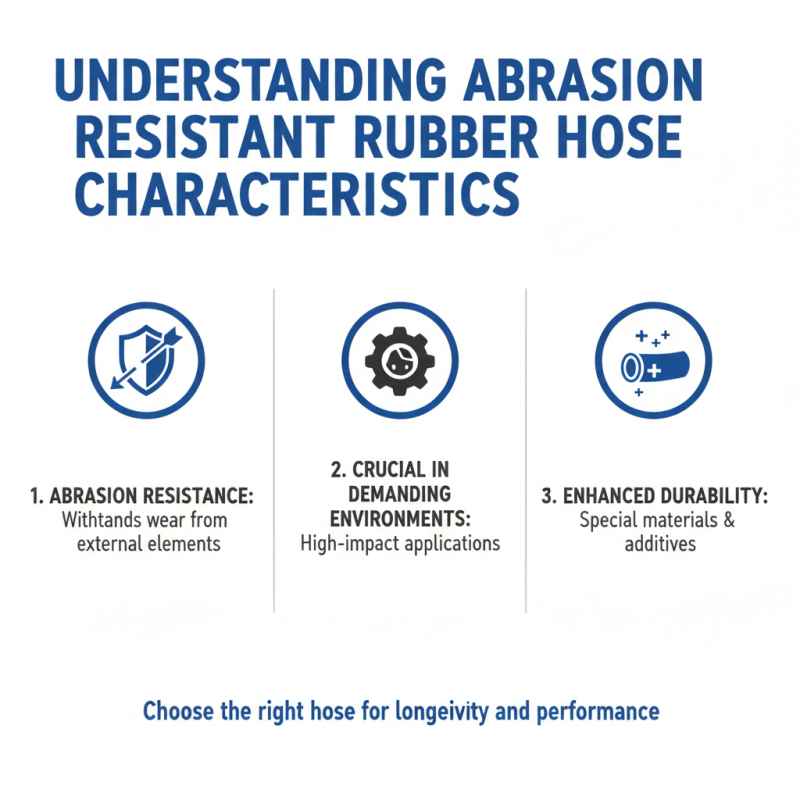
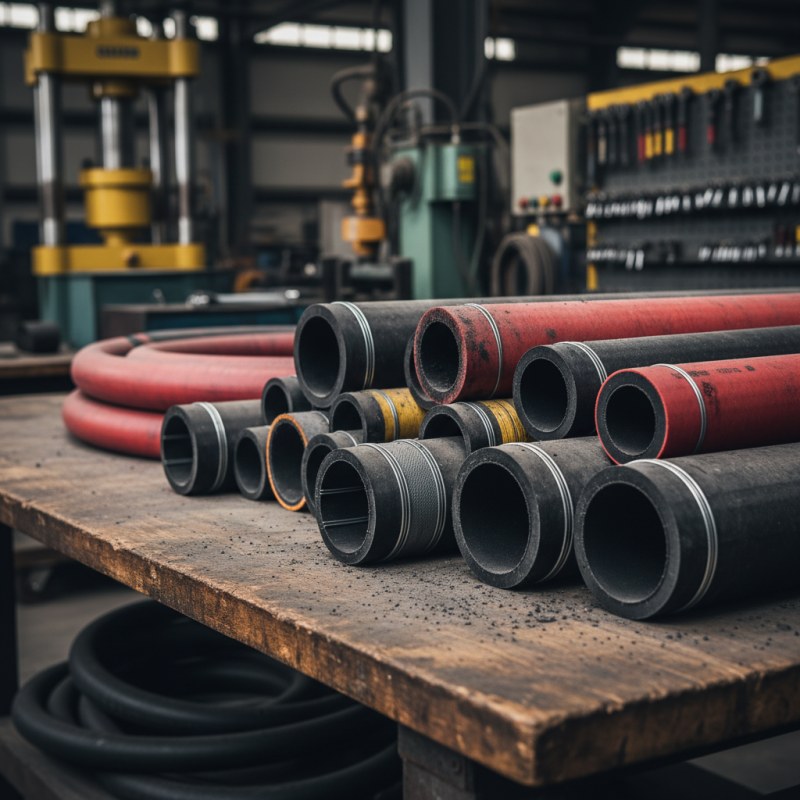
When choosing an abrasion resistant rubber hose, understanding its characteristics is essential. Abrasion resistance refers to the hose's ability to withstand wear from external elements. This property is crucial when the hose is used in demanding environments. Look for materials that are specifically designed for high-impact applications. These materials often incorporate special additives that enhance durability.
Consider the hose's flexibility and bend radius as well. A highly flexible hose can reduce stress on connections, ultimately prolonging its lifespan. Make sure to assess the hose's temperature and pressure ratings, as these factors play a significant role in its performance. A hose not suited for specific conditions may fail prematurely.
Tip: Always check for certifications. Products meeting industry standards can assure quality and reliability. While many hoses may claim high abrasion resistance, only those with proper endorsements can guarantee consistent performance. Additionally, it’s wise to consult professionals or industry experts for recommendations tailored to your specific needs. Their experience can help you avoid common pitfalls, especially when selecting from various options.
Identifying the Right Application for Your Rubber Hose
When selecting an abrasion-resistant rubber hose, understanding its application is crucial. Different uses require various properties. For example, consider the environment where the hose will operate. Will it be exposed to chemicals, extreme temperatures, or high pressures? Identifying these factors can significantly influence your decision.
One key tip is to evaluate the hose's material composition. A blend of synthetic and natural rubber often offers enhanced durability and flexibility. Ensure the hose can withstand wear and tear from its environment. Testing its resistance to common abrasion agents is also essential. You might find that certain hoses perform poorly in unexpected conditions.
Another important factor is sizing. The hose should fit the application perfectly. A poorly sized hose can lead to leaks or bursts. Measure the diameter and length carefully to avoid complications. Misjudging these dimensions can lead to added expenses or unsafe situations in the workplace. Engaging with industry experts can provide further insights and validate your choices. By considering these aspects, you can make a more informed decision on the right rubber hose for your needs.
Top 7 Tips for Choosing the Best Abrasion Resistant Rubber Hose
This bar chart illustrates the importance of various factors when selecting an abrasion-resistant rubber hose. Each factor is rated on a scale of 1 to 10, with higher ratings reflecting greater significance for optimal performance in applications.
Evaluating Material Quality and Durability Standards
When choosing abrasion-resistant rubber hoses, material quality and durability standards are crucial. High-quality materials significantly impact longevity and performance. According to a 2022 industry report from the Rubber Manufacturers Association, hoses made from premium synthetic rubber offer superior resistance to wear and tear. These materials can withstand extreme temperatures and pressures, which is vital in demanding applications.
Inspecting the specifications of the hoses is essential. Look for hoses compliant with industry standards, such as ISO 1307 and ISO 8031. These certifications ensure the product's reliability. Furthermore, consider the application environment. For instance, hoses used in mining or construction need higher durability compared to those in less harsh settings. Remember, a lack of proper evaluation may lead to unexpected failures and costly downtime.
Testing the hoses under real-world conditions is advisable. This practice reveals weaknesses that lab tests may not capture. Research shows that about 30% of users experience premature wear due to inadequate material choices. Incorporating field data can lead to better-informed decisions. Always question the reliability of supplier information and seek third-party validation when possible.
Considering Hose Diameter and Pressure Ratings
When selecting an abrasion-resistant rubber hose, considering hose diameter and pressure ratings is crucial. The hose diameter affects the flow rate of the fluids being transported. A larger diameter allows for greater volume, while a smaller diameter may restrict flow, leading to pressure drops. Ensure you choose the right size for your specific application.
Pressure ratings are equally important. They indicate the maximum pressure the hose can withstand during operation. Over time, using a hose with inadequate pressure ratings can lead to failure and potential hazards. Be attentive to the working pressure, and always allow a safety margin beyond your system's maximum pressure.
Consider these tips when shopping for a rubber hose. Inspect the materials and manufacturing quality; this can greatly influence durability. Evaluate your application’s specific needs – whether for industrial, agricultural, or other uses. Remember, not all hose types are created equal. It's essential to find one tailored for your requirements, as this will ultimately affect your operational efficiency and safety.
Top 7 Tips for Choosing the Best Abrasion Resistant Rubber Hose
| Tip No. |
Tip Description |
Hose Diameter (inches) |
Pressure Rating (psi) |
Suitable Applications |
| 1 |
Consider the ambient conditions |
1.5 |
300 |
Construction, mining |
| 2 |
Evaluate chemical compatibility |
2 |
250 |
Agricultural, chemical handling |
| 3 |
Check abrasion resistance rating |
1.25 |
400 |
Mining, heavy-duty applications |
| 4 |
Consider temperature compatibility |
2.5 |
200 |
Heating systems, hot water transfer |
| 5 |
Review bend radius requirements |
1.75 |
350 |
Hydraulic systems |
| 6 |
Inspect for certifications |
2 |
450 |
Industrial processes, safety applications |
| 7 |
Compare among trusted suppliers |
1.5 |
500 |
General-purpose, various industries |