
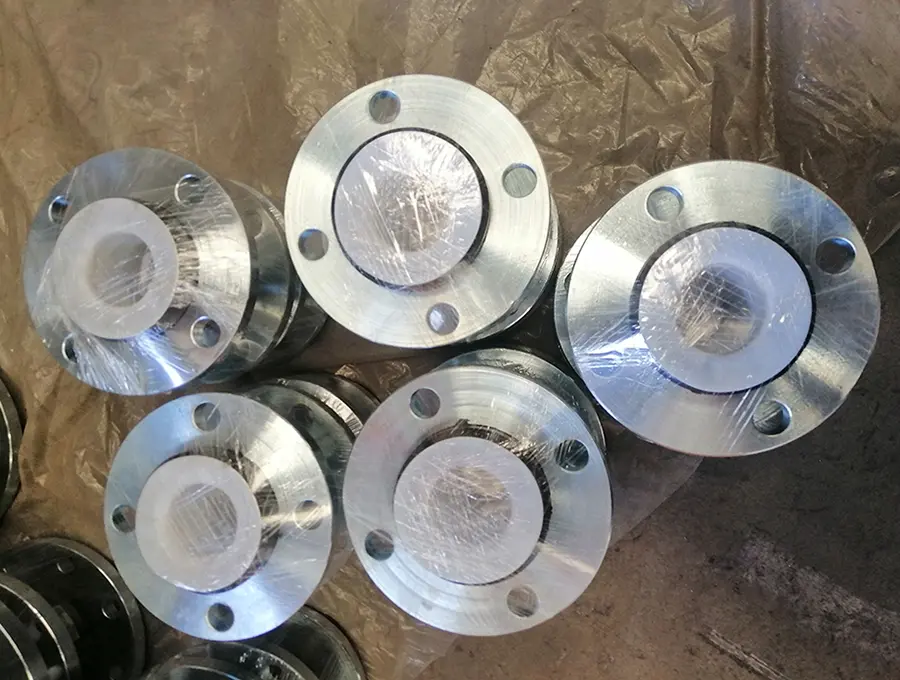
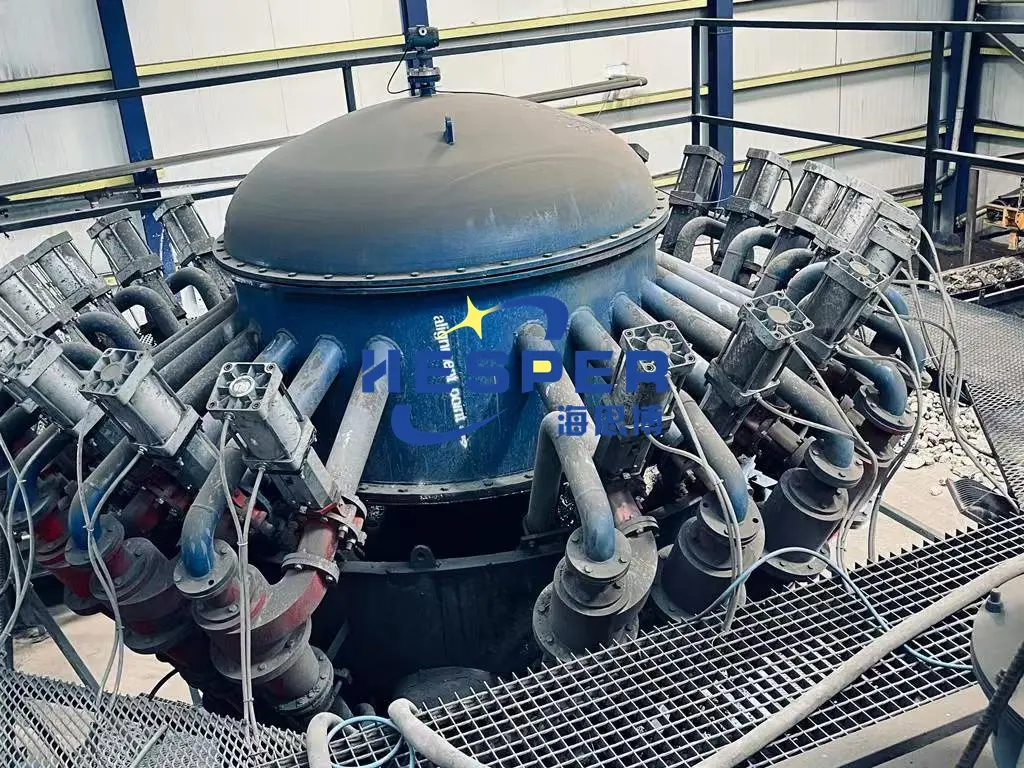
Expansion Joints: Flexible Connectors for Piping Systems
Expansion joint is a device designed to address issues such as thermal expansion and contraction, vibration absorption, and pipeline displacement. In industrial settings, failures in piping systems often result from pipe displacement and deformation caused by factors like temperature variations and mechanical vibration. Expansion joints effectively compensate for these displacements, protecting pipelines and related equipment to ensure normal operation.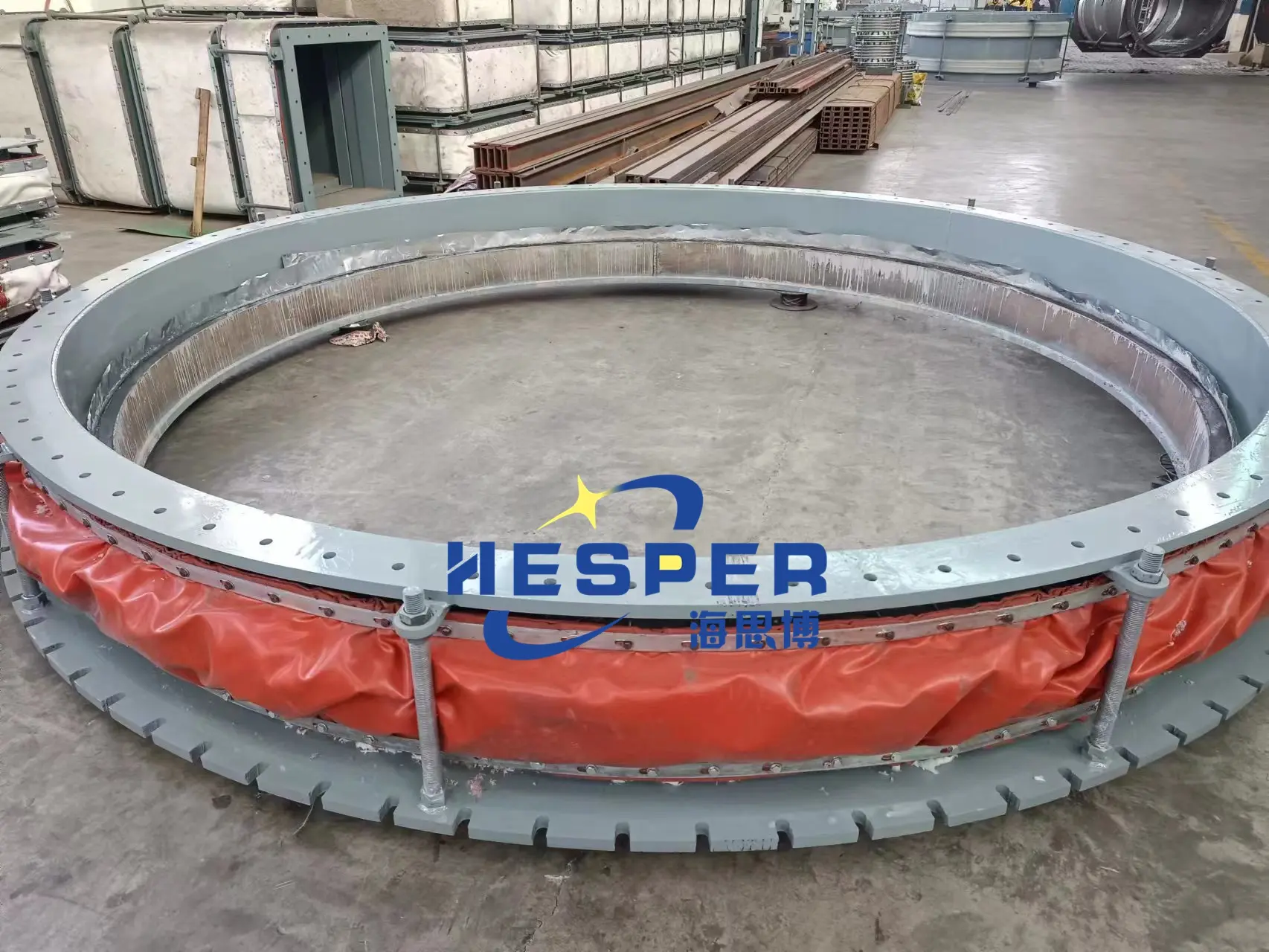
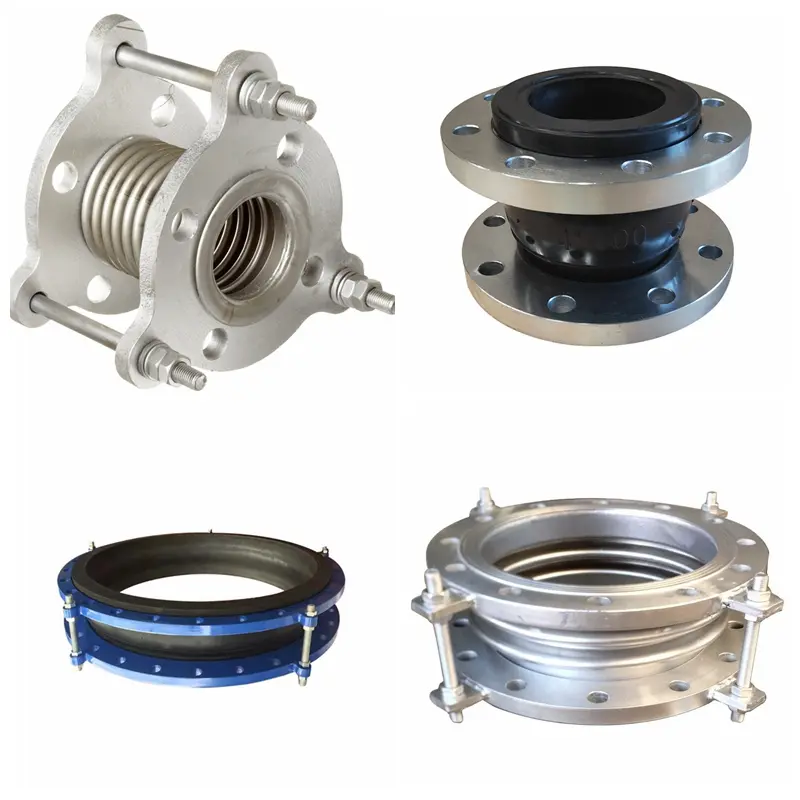
By leveraging their unique structures and materials, expansion joints absorb displacement and deformation in pipelines or components caused by temperature changes, vibration, and other factors, ensuring the overall proper functioning of the piping system. Based on different working principles and structural characteristics, expansion joints can generally be classified into the following categories:
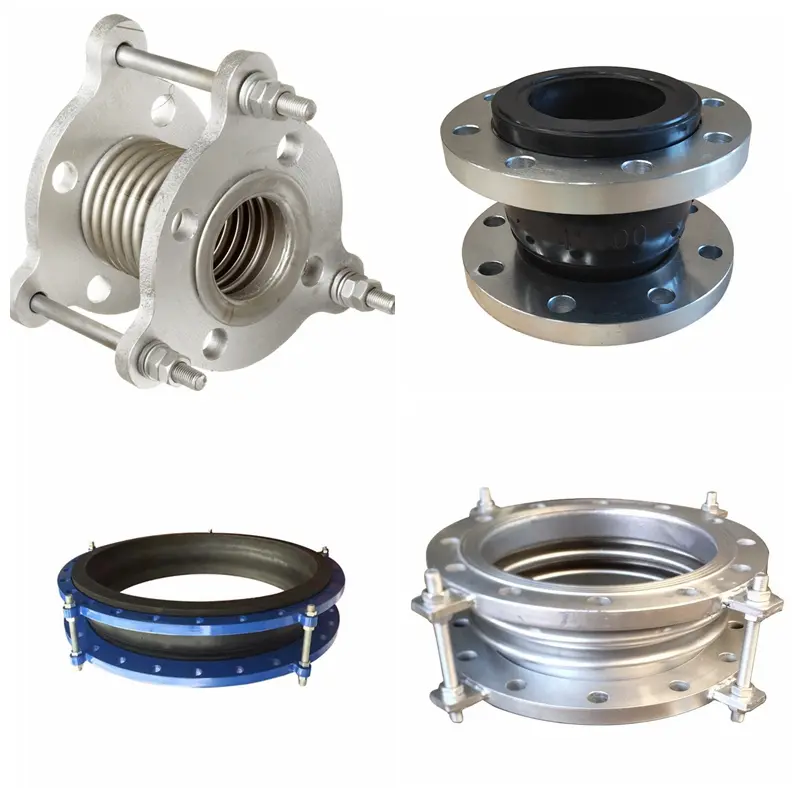
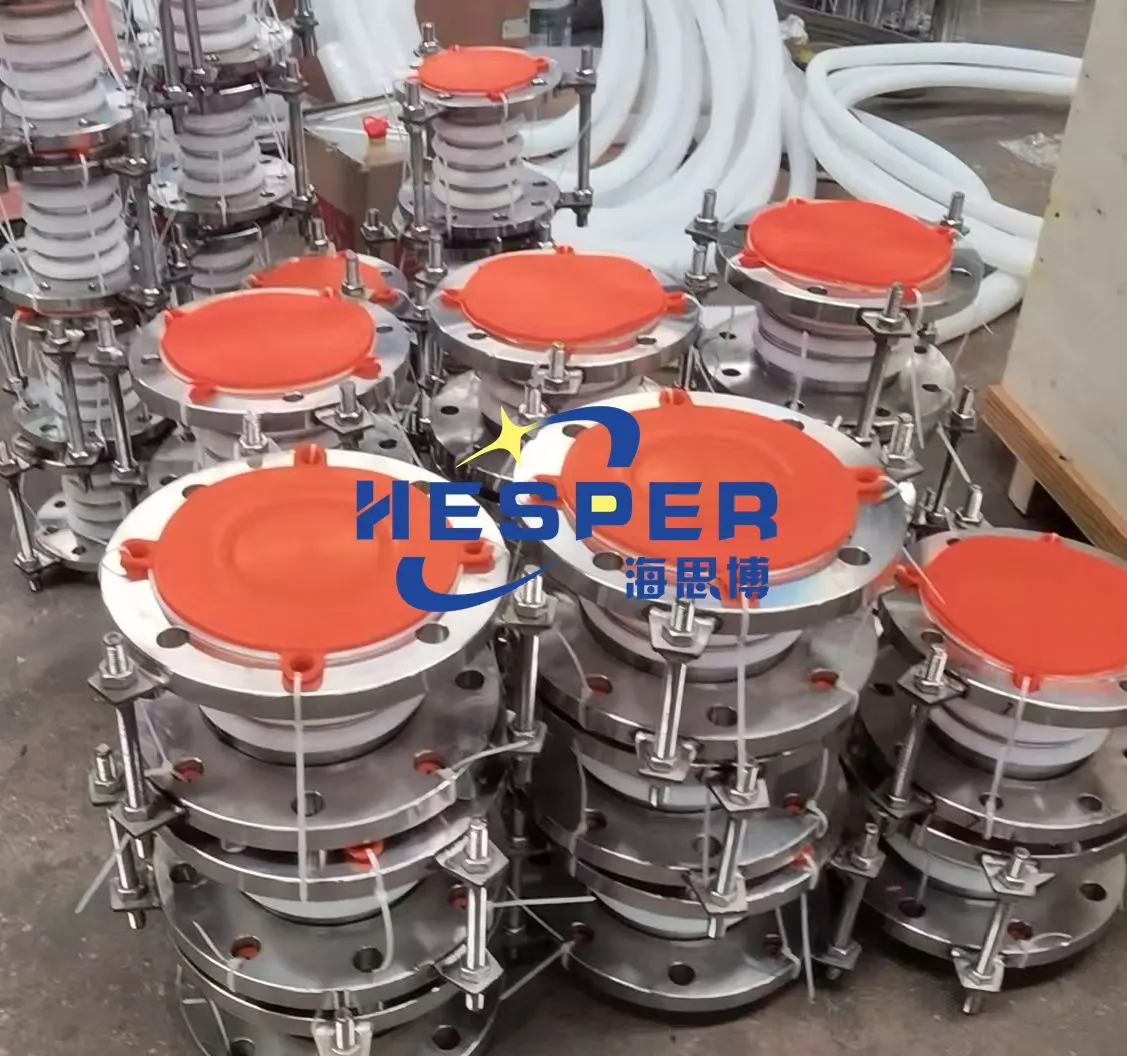
Metal Expansion Joints: Composed of metal bellows, flanges, support components, etc., suitable for high-temperature and high-pressure environments.
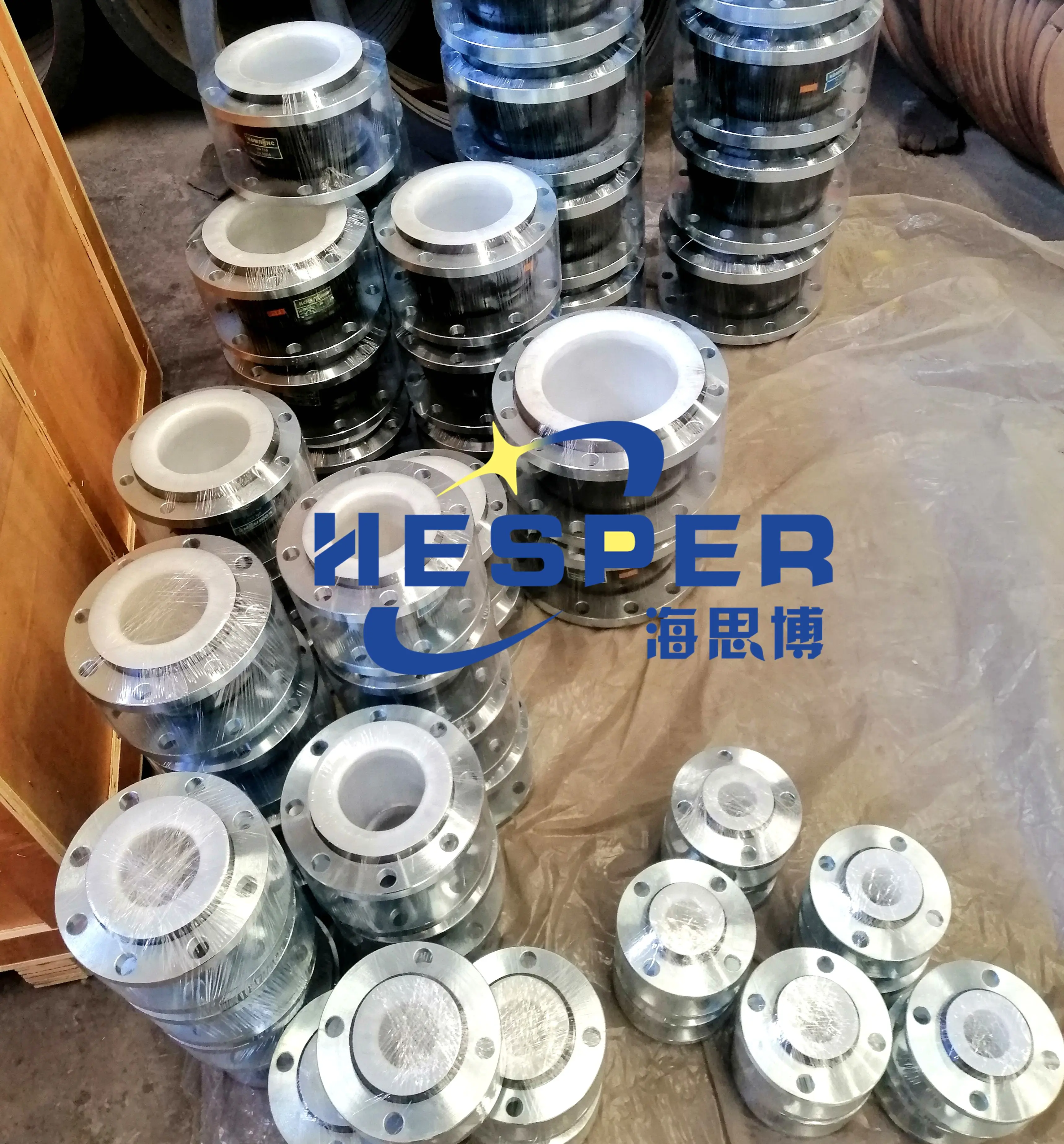
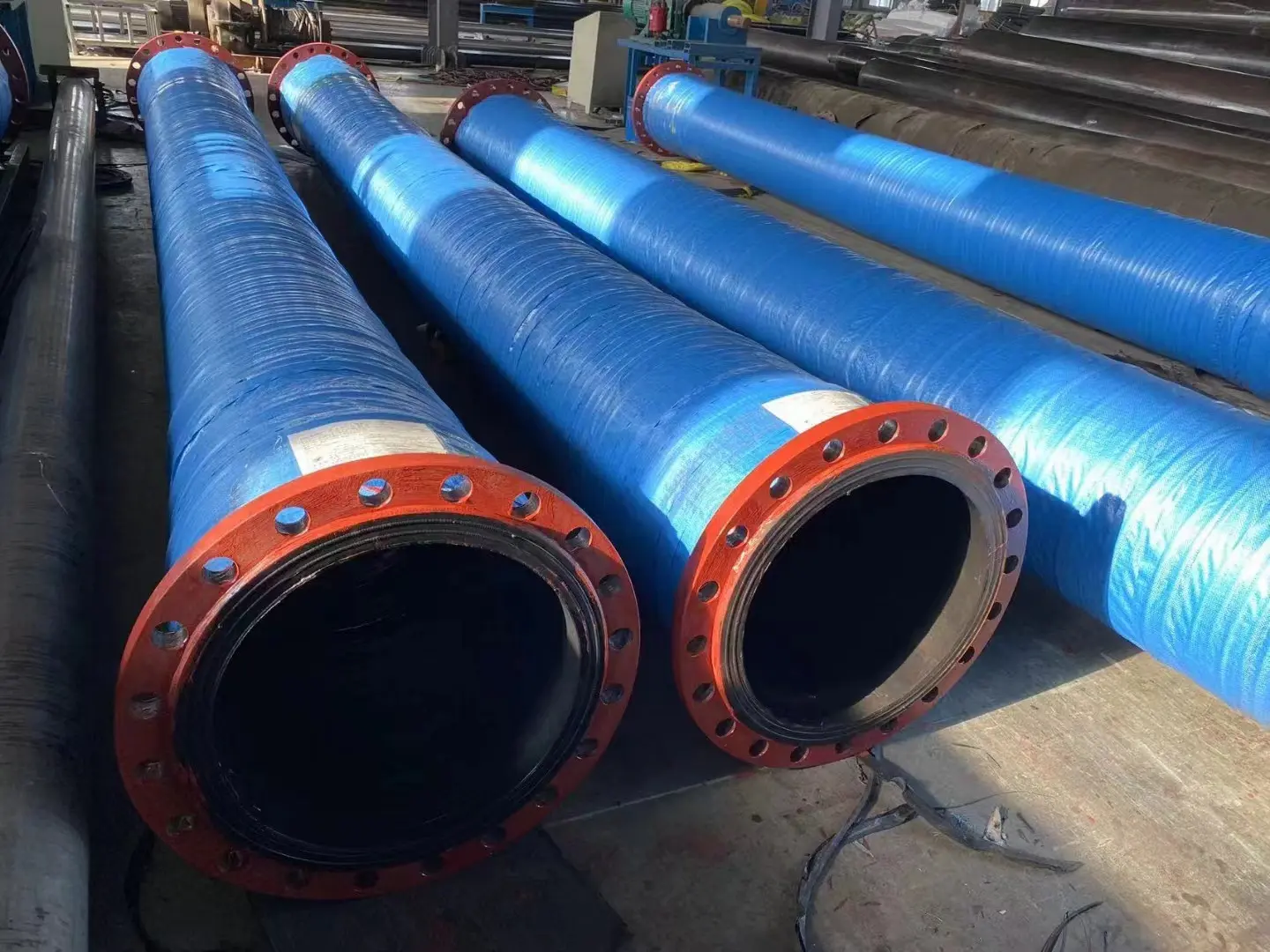
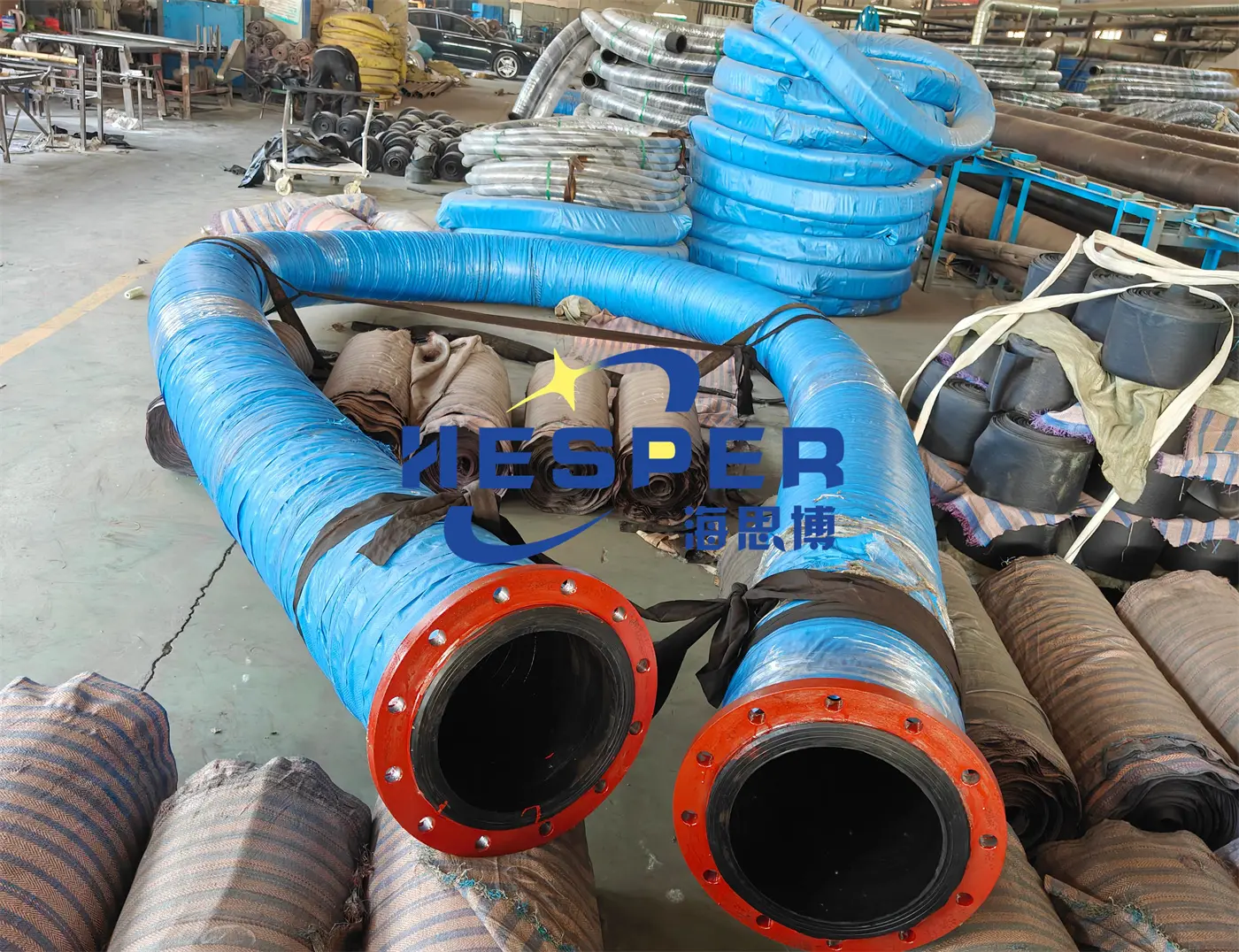
Rubber Expansion Joints: Made from materials such as rubber or silicone, offering excellent vibration absorption and noise reduction.
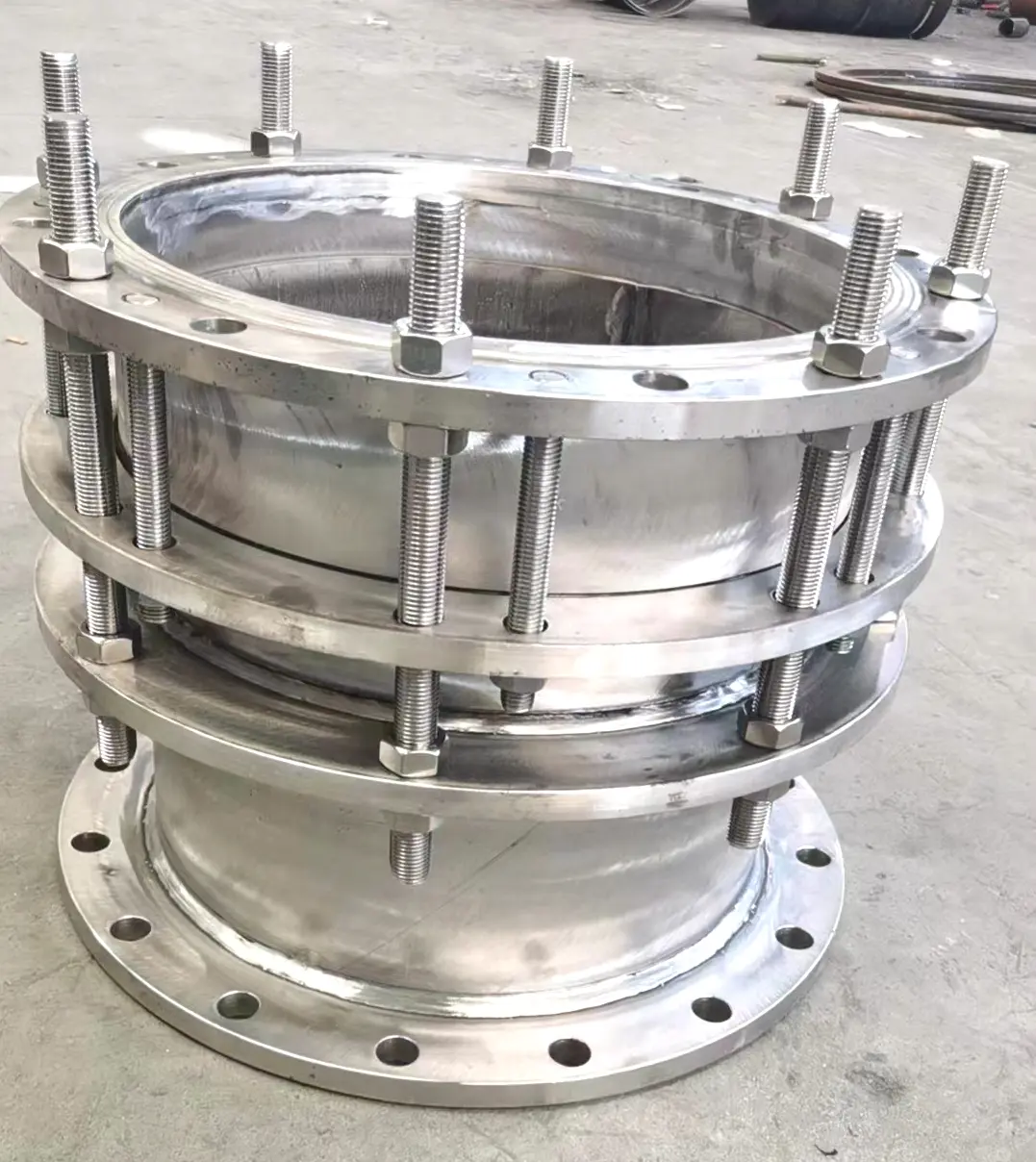
Fabric (Non-Metallic) Expansion Joints: Utilize telescopic structures to provide compensation, and can be divided into axial expansion joints, lateral expansion joints, etc.
Structure and Working Principle:
The basic structure of an expansion joint includes components such as bellows, flanges, and sealing elements. The bellows can be manufactured from various materials (e.g., stainless steel, alloy steel) as required, while the flanges are used to connect the piping system, and the sealing elements prevent leaks.
Expansion joints utilize their flexible connection structures to compensate for influencing factors such as displacement and thermal expansion/contraction in the piping system through components like the bellows. When external forces act on the pipeline, causing deformation or vibration, the expansion joint absorbs and transfers these forces, ensuring the stability of the piping system.
Application Fields
Oil, Gas & Chemical Industries: Expansion joints are widely used at pipeline connections for conveying media, preventing deformation and leakage caused by thermal expansion and contraction, thereby ensuring safe and stable operation.
Steel & Metallurgy: In production processes, expansion joints are employed for pipeline connections and support in high-temperature, high-pressure environments, addressing displacement issues in metal pipelines due to temperature changes.
Power Generation: In large-scale power engineering projects such as power plants and substations, expansion joints are used to eliminate vibration and displacement in piping systems, ensuring equipment safety and extending service life.
Chemical Processing: Expansion joints connect various chemical equipment, vessels, and piping systems, helping to mitigate the effects of media corrosion, temperature fluctuations, and other factors on pipelines.
Automotive Manufacturing: Expansion joints are extensively applied in exhaust systems, fuel supply systems, and other components, performing functions such as heat dissipation and vibration absorption to ensure efficient and stable vehicle operation.
We provide:
Custom-designed solutions for high-temperature, high-pressure, and corrosive environments
Durable metal, flexible rubber, and non-metallic expansion joints
Technical support from design through installation
Let us help you select the right expansion joint for your specific application. Contact our engineering team today for a consultation or to request a quote.