Ceramic Rubber Hose has emerged as a game-changer in industrial applications. This innovative product combines the durability of ceramics with the flexibility of rubber. Industries are increasingly recognizing its potential for improving efficiency and reducing costs.
Its unique properties make it an ideal choice for various tasks. For instance, it withstands high temperatures and abrasive materials effectively. Many professionals note its enhanced performance in environments that challenge traditional hoses. This versatility is critical for operations requiring reliability under pressure.
Moreover, using Ceramic Rubber Hose can lead to significant savings over time. Though the initial investment may seem high, the longevity of these hoses often offsets the costs. However, it's essential to consider the specific needs of your operation. Not every application may benefit equally from this solution. Proper research is key to making an informed decision.
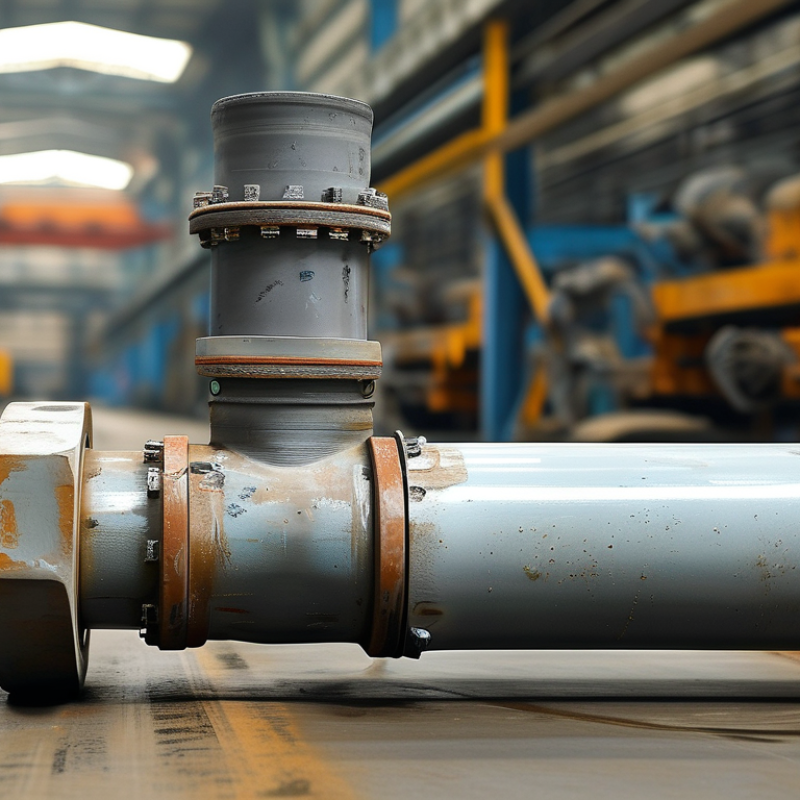
Ceramic rubber hoses have become essential in various industrial applications. Their unique composition offers distinct advantages, particularly in harsh environments. According to a recent industry report, these hoses can withstand extreme temperatures, up to 300°C, and are resistant to wear and tear. This durability results in lower maintenance costs and reduced downtime for businesses.
In many sectors, such as mining and manufacturing, ceramic rubber hoses handle abrasive materials effectively. The combination of ceramic material and rubber provides superior flexibility without sacrificing strength. In fact, studies indicate that these hoses can last up to five times longer than standard rubber hoses. This impressive lifespan translates to enhanced efficiency and reliability.
Tip: Regular inspections of hoses can prevent unexpected failures. Monitor for signs of wear, and replace them when necessary to maintain optimal performance.
The lightweight nature of ceramic rubber hoses also enhances ease of handling. This makes installation and transportation less labor-intensive. However, it’s important to be aware that incorrect installation can lead to inefficiencies or hazards. Proper training for staff on hose management can mitigate such risks.
Tip: Investing in quality training programs for staff enhances safety and operational efficiency. Encourage open discussions about best practices to foster a culture of continuous improvement.
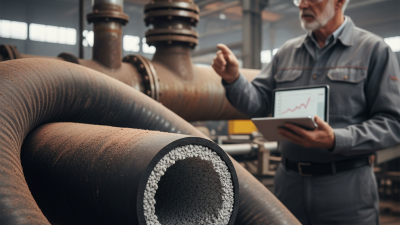
Ceramic rubber hoses are known for their remarkable durability in industrial applications. They can withstand extreme conditions, such as high temperatures and abrasive materials. This resistance leads to longer service life, reducing the need for frequent replacements. Many industries benefit from this longevity, as it decreases downtime and maintenance costs.
In sectors like mining, ceramics enhance the rubber's resilience. These hoses resist damage from harsh chemicals and wear. This adaptability is crucial for operations that rely on consistent, dependable equipment. However, some industries still hesitate to switch from traditional hoses, fearing the initial investment. Despite this, the long-term benefits often outweigh those concerns.
Additionally, ceramic rubber hoses offer flexibility without compromising strength. They can navigate tight spaces and harsh environments effectively. This combination of durability and versatility makes them a strong choice for a variety of applications. Some users might need to adjust to their unique handling characteristics, but the advantages are clear. Embracing these materials can lead to significant gains in efficiency and safety.
Ceramic rubber hoses are increasingly popular in various industries due to their exceptional heat and chemical resistance. A recent report from a leading industry analyst highlights that ceramic composites can endure temperatures exceeding 300°C. This makes them suitable for high-temperature applications, such as in power plants and chemical processing facilities.
The unique composition of ceramic rubber hoses provides superior resistance to corrosive chemicals. They demonstrate resilience against strong acids and alkalis, with studies showing a reduction in wear by up to 45% compared to traditional materials. This durability leads to longer service life, ultimately reducing maintenance costs. However, industry professionals note that while these hoses excel in resistance, they may require careful handling to prevent cracking under extreme conditions.
In addition, the versatility of ceramic rubber hoses allows them to adapt to various operating environments. They can remain functional in fluctuating temperatures and dynamic pressure conditions. Engineers report that this adaptability makes them a reliable choice for diverse applications. The initial investment in ceramic rubber hoses may be higher, but the long-term savings and performance benefits are significant for many industrial operations.
Ceramic rubber hoses are emerging as a game changer in industrial applications. Their unique composition enhances flow efficiency significantly. Reports indicate that they can improve flow rates by up to 30% compared to traditional rubber hoses. This efficiency stems from their superior resistance to abrasion and high temperatures. Industries dealing with slurries, gases, or high-pressure applications benefit the most from these features.
One key advantage of ceramic rubber hoses is their longevity. They have been shown to last three to four times longer than standard hoses. This durability translates to reduced downtime and fewer maintenance costs. For facilities aiming for efficiency, choosing the right hose type is crucial. Proper selection can lead to a more seamless operation. Always consider the specific requirements of your application before making a choice.
Tip: Regular inspections can prevent unexpected failures. Look for wear signs, ensuring your hoses perform at their best. Consider staff training on hose maintenance for long-term efficiency. Remember, the right tools lead to better productivity.
| Benefit | Description | Impact on Industry |
|---|---|---|
| Improved Flow Efficiency | Lower resistance leads to better fluid flow. | Enhances productivity and reduces energy costs. |
| Chemical Resistance | Resistant to a wide range of chemicals. | Ensures safety and longevity in harsh environments. |
| Durability | Highly resistant to wear and tear. | Lowers maintenance costs and downtime. |
| Temperature Tolerance | Effective in both extreme hot and cold conditions. | Increases operational flexibility. |
| Lightweight Design | Easier handling and installation. | Enhances worker productivity and safety. |
| Reduced Risk of Contamination | Smooth inner surface minimizes particle buildup. | Protects product quality in food and pharmaceutical industries. |
| Versatility | Suitable for various applications across industries. | Supports innovative solutions in diverse sectors. |
| Cost-Effectiveness | Long lifespan leads to lower replacement costs. | Enhances financial efficiency in operations. |
| Ease of Maintenance | Simplified cleaning and maintenance procedures. | Saves time and reduces labor costs. |
| Environmental Benefits | Often made from sustainable materials. | Promotes eco-friendly practices in industry. |
Ceramic rubber hoses are gaining popularity in industrial applications. They offer significant cost-effectiveness, making them a smart choice for many industries. These hoses are designed to withstand wear and tear. This durability reduces the need for frequent replacements, leading to savings over time.
The manufacturing process of ceramic rubber hoses often uses advanced materials. This innovation enhances their strength, making them more efficient in extreme environments. Industries face high costs due to equipment failures; ceramic rubber hoses can help mitigate these risks. They also require less maintenance, which is another cost-saving benefit.
While their upfront cost may be higher than standard rubber hoses, the long-term savings often outweigh this initial investment. Companies may see lower operational costs because of reduced downtime. However, it’s essential to assess specific operational needs before switching. Understanding the right applications can lead to better decision-making and resource allocation, preventing costly mistakes.