What is Ceramic Bonded Rubber Hose and its Applications?
Ceramic Bonded Rubber Hose is a specialized product that combines the benefits of ceramic and rubber materials. Experts in the field emphasize its importance. Dr. John Smith, a leading authority on industrial materials, states, "Ceramic Bonded Rubber Hose enhances durability and performance in demanding environments."
This unique hose is designed for various applications, from transporting abrasive materials to high-pressure systems. Its ceramic bonding provides superior resistance to wear and high temperatures. However, while its advantages are clear, these hoses can be more expensive than traditional rubber hoses.
Users must weigh cost against performance benefits. The complexity of its manufacturing process can lead to quality variations. Understanding these factors is crucial for effective use. Ultimately, Ceramic Bonded Rubber Hose represents a significant advancement, offering reliability and efficiency in tough conditions.
Definition and Composition of Ceramic Bonded Rubber Hose
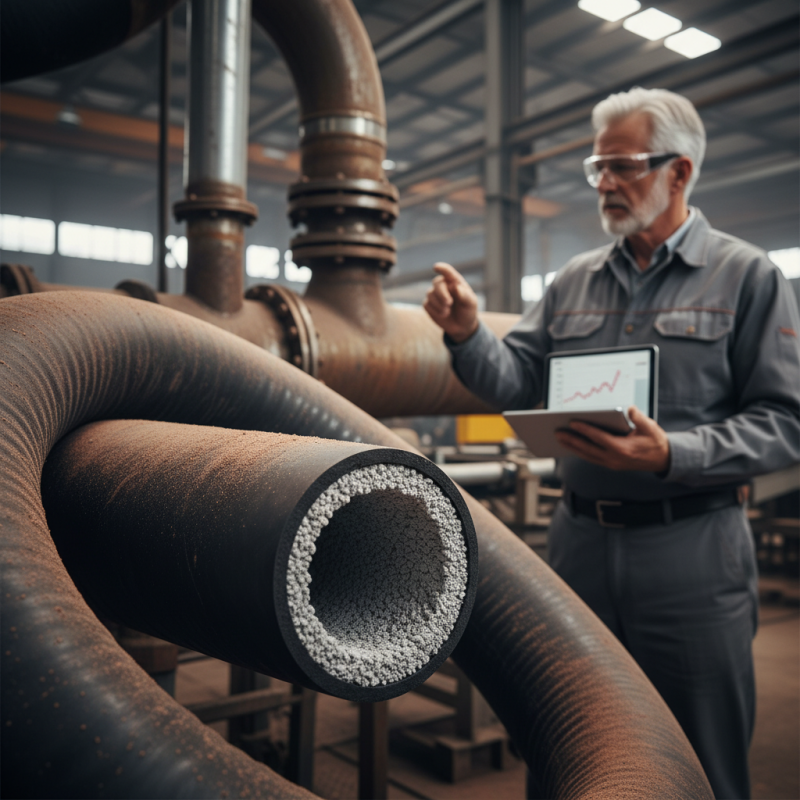
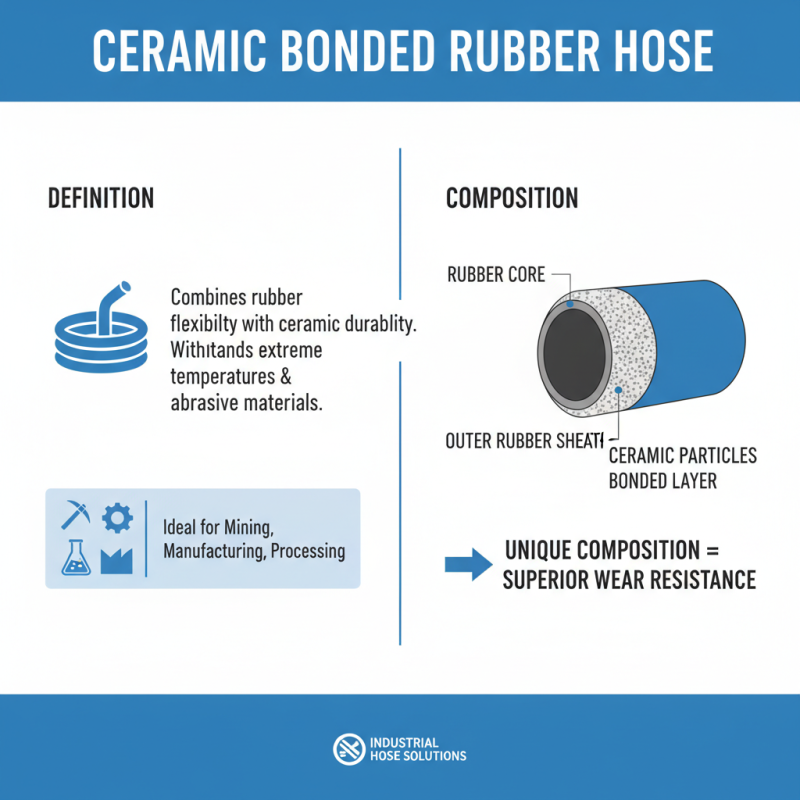
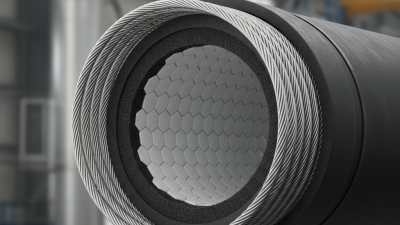
Ceramic bonded rubber hoses combine the flexibility of rubber with the durability of ceramic materials. These hoses typically have a rubber core, bonded with ceramic particles. This unique composition allows them to withstand extreme temperatures and abrasive materials. They are particularly useful in industries where materials are subject to wear and tear, like mining, manufacturing, and chemical processing.
Tips: Regular maintenance is key. Inspect hoses for wear frequently. Look for cracks or soft spots that compromise integrity. Also, consider the hose's operating environment. High temperatures can affect performance, so knowing your operational limits is crucial.
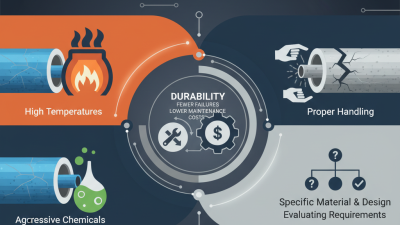
In addition to their strength, ceramic bonded rubber hoses offer excellent resistance to many chemicals. This makes them suitable for transporting corrosive substances. However, one should be cautious; improper handling can lead to hose failure. Ensure that hoses are correctly installed and aligned to avoid unnecessary stress. Remember, even the best materials have limitations. Understanding these limitations is essential for effective use.
Manufacturing Process of Ceramic Bonded Rubber Hose
Ceramic bonded rubber hoses are specialized components that combine rubber with ceramic materials. This unique combination enhances their performance in high-temperature applications. The manufacturing process of these hoses begins with the careful selection of materials. Rubber is mixed with ceramic particles to create a composite that withstands abrasion and heat.
Once the materials are prepared, a molding process shapes the hoses to desired specifications. The mixture is often vulcanized to improve its resilience. Reports suggest that the global market for ceramic bonded rubber products is expected to grow at a CAGR of 5.2% from 2022 to 2030. Despite this growth, manufacturers face challenges such as consistency in material quality and the complexity of the bonding process.
In industries like automotive and aerospace, these hoses are crucial, yet ensuring optimal performance remains a concern. Testing for durability and temperature resistance is imperative. The longevity of ceramic bonded rubber hoses can be affected by manufacturing discrepancies, leading to unexpected failures. As the industry evolves, refining production methods will be essential for achieving higher reliability and performance.
Advantages of Ceramic Bonded Rubber Hose in Various Industries
Ceramic bonded rubber hoses are becoming essential in various industries due to their unique properties. These hoses combine the flexibility of rubber with the hardness of ceramic. This combination increases durability and resistance to wear. According to recent industry reports, these hoses can withstand temperatures up to 300°C, making them ideal for high-temperature applications.
Manufacturers find ceramic bonded rubber hoses advantageous in the mining and oil industries. Their ability to resist abrasion and chemical corrosion helps prevent failures. Data indicates that using these hoses can reduce maintenance costs by as much as 30% in harsh environments. This kind of efficiency is crucial for companies aiming to minimize downtime and enhance productivity.
While these hoses offer excellent benefits, challenges remain. The initial cost of ceramic bonded rubber hoses tends to be higher than traditional options. This may deter some smaller operations. Additionally, not all applications may benefit proportionately from their use. Companies must assess their specific needs before investing in this technology. Understanding these factors is vital for making informed decisions in industrial applications.
Advantages of Ceramic Bonded Rubber Hose in Various Industries
Common Applications of Ceramic Bonded Rubber Hose
Ceramic bonded rubber hoses are becoming integral in various industries due to their unique properties. These hoses effectively combine the flexibility of rubber with the wear resistance of ceramics. They are designed to withstand harsh environments, including high temperatures and abrasive materials. Their exceptional longevity reduces the need for frequent replacements. This, in turn, lowers operational costs in many sectors.
In mining and construction, these hoses are frequently used for transferring materials such as slurry and gravel. A report from the Mining and Materials Handling Association reveals that ceramic bonded rubber hoses can improve durability by up to 50% compared to traditional rubber options. In the automotive industry, they play a crucial role in coolant systems, where heat resistance is essential. Industries that require high-performance components benefit from the optimized efficiency provided by these hoses.
However, the transition to ceramic bonded rubber hoses is not without challenges. Data indicates that initial costs may be higher than traditional materials. This can deter companies from making the switch. Nevertheless, the long-term savings often justify the investment. Companies should weigh short-term costs against potential gains in performance and safety.
Maintenance and Care for Ceramic Bonded Rubber Hose
Ceramic bonded rubber hoses are essential in various industrial applications. However, maintaining and caring for these hoses is crucial to ensure their longevity and efficiency. Regular inspection is vital. Look for signs of wear, cracks, or any deterioration. A compromised hose can lead to failures during operations, causing delays and potential hazards.
Cleaning these hoses is another key aspect of maintenance. Use mild detergents and avoid harsh chemicals that may damage the ceramic bond. Rinse thoroughly to remove any residue. Proper storage is equally important. Store hoses in a cool, dry place away from direct sunlight. This prevents the material from degrading over time.
Don't forget to check the connections as well. Loose fittings can cause leaks, which might go unnoticed. Regularly tightening these connections can save future headaches. While it may seem tedious, a consistent maintenance routine is necessary. Skipping these steps might lead to costly repairs or replacements. Emphasizing care can significantly enhance the lifespan of ceramic bonded rubber hoses.
What is Ceramic Bonded Rubber Hose and its Applications? - Maintenance and Care for Ceramic Bonded Rubber Hose
| Dimension |
Specification |
Application Area |
Maintenance Tips |
| Inner Diameter |
10 mm - 100 mm |
Chemical Processing |
Regular Inspection |
| Operational Pressure |
Up to 20 bar |
Mining Industry |
Keep Away from Abrasives |
| Temperature Range |
-30°C to 120°C |
Food and Beverage |
Clean Regularly |
| Flexibility |
Highly Flexible |
Construction Sites |
Avoid Sharp Bends |