Best Chemistry Hose for Your Industrial Needs?
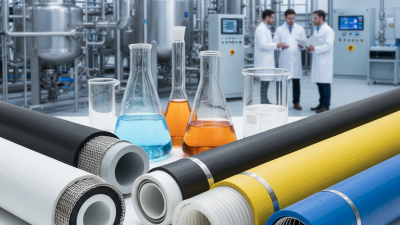
Choosing the best Chemistry Hose for industrial applications requires specific consideration. The global market for chemical hoses is projected to reach $1.5 billion by 2026, according to a recent report by MarketsandMarkets. This growth emphasizes the increasing importance of high-quality hoses in various industries, including pharmaceuticals and petrochemicals.
Dr. James O’Connell, a leading expert in the field, states, "Selecting the right chemistry hose is crucial for safety and efficiency." His insight highlights a common mistake: many industries overlook the need for specialized hoses designed to handle corrosive substances. A typical failure can lead to significant downtime and hazardous situations.
Expert recommendations stress that not all hoses are equal. Some may compromise performance under high pressure or specific chemicals. Investing in quality can prevent costly mishaps. Taking the time to understand the specifications will make a difference.

Understanding the Importance of Chemistry Hoses in Industrial Applications
Chemistry hoses play a crucial role in industrial applications. They are designed to transport various chemicals safely and efficiently. The right hose can prevent leaks and spills, which may pose safety hazards. Choosing the best chemistry hose requires understanding its material composition. Different chemicals react differently with materials. For instance, some chemicals may corrode rubber but not silicone. Therefore, knowing the chemical properties involved is vital.
Workplaces often overlook the importance of regular inspections. Hoses can wear out due to prolonged exposure to harsh substances. This wear may not be immediately visible, leading to unexpected failures. Workers sometimes do not realize the wear can also lead to contamination in the process. Staying vigilant ensures that the hoses remain in good condition. It’s essential to replace them as necessary to maintain safety and compliance.
Another aspect to consider is the hose's temperature rating. Many industrial chemicals require specific temperature limits. If a hose is exposed to higher temperatures than it can handle, it may degrade. This degradation can significantly affect its performance. Regular training on hose management and understanding the limitations can enhance workplace safety.
Types of Chemistry Hoses Suitable for Various Industrial Needs
When selecting the right chemistry hose for industrial applications, understanding the types available is crucial. Various materials and designs are tailored to handle specific chemicals. For example, PTFE (polytetrafluoroethylene) hoses are resistant to a broad range of solvents, acids, and bases. According to a report by the Chemical Hose Association, nearly 40% of industrial users prefer PTFE for its durability and versatility.
If your operations involve harsher environments, consider rubber composite hoses. These can withstand high pressure and temperature while resisting abrasion and chemical exposure. A study from the Industrial Hose Market Report suggests that rubber hoses account for over 50% of the market share due to their flexibility and reliability, particularly in transferring fuels and chemicals.
However, choosing the right hose also comes with challenges. Some materials may degrade faster than expected, leading to unexpected costs. Users report that over time, even high-quality hoses can fail under specific conditions. Regular inspections and maintenance play a vital role in ensuring the longevity of your equipment. Understanding the limitations of each type of hose can enhance safety and efficiency in your operations.
Key Materials Used in Manufacturing Chemistry Hoses
When selecting a chemistry hose, understanding the materials used in its construction is essential. PVC, rubber, and Teflon are the most common materials. Each offers unique benefits depending on the application. PVC hoses are lightweight and cost-effective, ideal for low-pressure tasks. However, they may not withstand extreme temperatures or harsh chemicals.
Rubber hoses provide greater durability and flexibility. They can handle a wider range of temperatures and are resistant to abrasion. Yet, they also have limitations, particularly when it comes to chemical resistance. Teflon hoses, on the other hand, excel in harsh chemical environments. They can handle extreme temperatures without degrading. Still, their higher cost can be a barrier for some industries.
Choosing the right material requires thorough analysis of specific applications. Potential challenges exist in matching the hose material with the chemicals being transported. Over time, hoses can degrade or weaken. Regular inspections are necessary to ensure safety and functionality. Balancing cost, durability, and chemical resistance is vital for optimal performance. Always consider these factors when sourcing a chemistry hose.
Best Chemistry Hose for Your Industrial Needs? - Key Materials Used in Manufacturing Chemistry Hoses
| Material |
Temperature Resistance (°C) |
Chemical Resistance |
Flexibility |
Common Applications |
| EPDM Rubber |
-40 to 120 |
Good |
Moderate |
Chemical transfer, water supply |
| PVC |
0 to 60 |
Fair |
High |
General fluid transfer |
| Silicone |
-60 to 200 |
Excellent |
High |
Food processing, pharmaceuticals |
| PTFE |
-200 to 260 |
Outstanding |
Good |
Chemical processing, laboratory applications |
| Nitrile |
-40 to 100 |
Good |
Moderate |
Oil transfer, automotive |
Factors to Consider When Choosing a Chemistry Hose
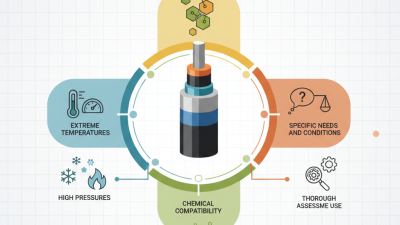
When choosing a chemistry hose, several factors come into play. It's crucial to consider the materials being transported. Different chemicals can react with various hose materials in unforeseen ways. For instance, acids may corrode some types of rubber or plastics, leading to failures. Understanding the chemical compatibility is essential to avoid costly accidents.
Another important element is the temperature range. Some industrial applications require hoses that can withstand extreme heat or cold. Failure to account for temperature can result in hose breakdowns. Furthermore, the pressure rating of the hose is vital. A hose must be able to handle at least the maximum pressure of the application. If it can't, leaks or bursts could happen, posing a severe risk.
Finally, hose length and flexibility should be evaluated. A hose that is too stiff can hinder operations and make maneuverability difficult. Conversely, overly flexible hoses may not deliver the necessary support. Proper selection ensures efficiency and reliability in your industrial processes. Always remember that investing time in evaluating these factors pays off in the long run.
Best Practices for Maintaining Chemistry Hoses in Industrial Settings
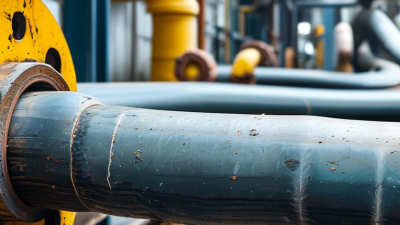
Maintaining chemistry hoses in industrial settings requires careful attention and regular practices. These hoses can handle various chemicals, but their longevity depends on proper care. Inspect hoses frequently for signs of wear or damage. Look for cracks, leaks, or bulges, which can compromise safety.
Regular cleaning is essential. Chemicals can leave residues that affect hose integrity. Use appropriate cleaning agents recommended for your specific hoses. Rinse them thoroughly to prevent buildup. Additionally, store hoses in a cool, dry place away from direct sunlight. Extreme temperatures and exposure can degrade materials.
Training staff on proper handling procedures can reduce misuse. Ensure everyone knows the correct installations and removals. This minimizes accidental kinks that might weaken hose structure. Always keep an eye on couplings and fittings. These components are often the first points of failure. Implement a routine inspection schedule to catch issues early.