The Best Concrete Delivery Hose Options for 2026 Top Selection?
In the construction industry, choosing the right Concrete Delivery Hose is crucial. This selection impacts nearly every project. A reliable hose ensures efficient concrete transfer. It minimizes downtime and maximizes productivity on site. However, with so many options available, making the best choice can be overwhelming.
Different projects require different specifications. The strength, flexibility, and durability of the hose must be matched to the job. It's essential to consider factors such as the type of concrete used and the delivery distance. Quality hoses can withstand high pressure and harsh conditions, but are they all created equal? Are there inconsistencies in performance? These questions warrant careful reflection.
Construction professionals often face challenges when selecting equipment. A poorly chosen Concrete Delivery Hose can lead to leaks or failures. This not only delays the project but can also increase costs. Therefore, understanding the various options available is vital. In this guide, we will explore the top selections for 2026, helping you make an informed decision.

Overview of Concrete Delivery Hoses: Types and Uses
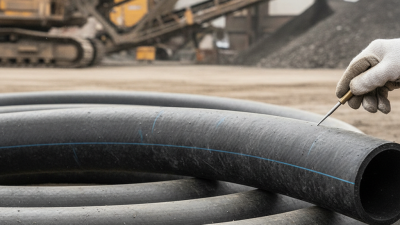
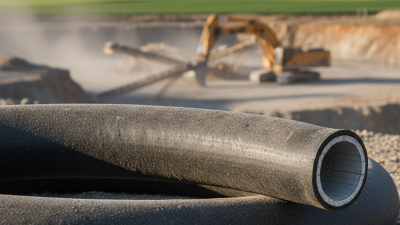
Concrete delivery hoses are essential in various construction projects. They allow for the efficient transport of concrete from mixer trucks to the job site. Understanding the types of hoses is critical for making informed choices.
There are several types of concrete delivery hoses available. The most common ones are rubber and PVC hoses. Rubber hoses are durable and flexible, making them ideal for complex job sites. PVC hoses are lighter but may not withstand heavy loads as well. The choice between these options depends on specific project needs.
Using the wrong type of hose can lead to issues. If a hose is too weak, it may burst under pressure. Conversely, using an excessively heavy hose can complicate handling on-site. It's also important to consider the environment. Some hoses perform poorly in extreme temperatures, affecting their longevity and performance. Always assess the project requirements carefully to avoid costly mistakes.
The Best Concrete Delivery Hose Options for 2026
This chart shows the comparative data on the most popular types of concrete delivery hoses as of 2026, focusing on their diameters, maximum pressure ratings, and typical uses.
Key Features to Consider When Selecting Concrete Delivery Hoses
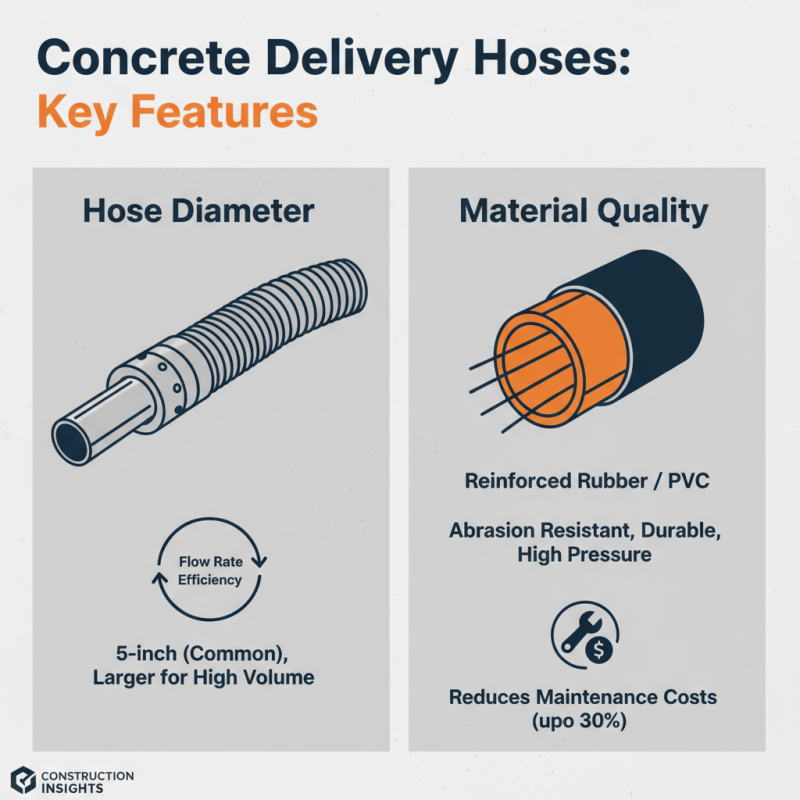
When selecting concrete delivery hoses, several key features must be considered to ensure efficiency and safety. The diameter of the hose is crucial. It influences the flow rate and overall delivery efficiency. A common size is 5 inches, but some projects may require larger options. Material quality matters too. Hoses made from reinforced rubber or PVC resist abrasion and last longer under pressure. Reports indicate that using high-quality hoses can reduce maintenance costs by up to 30%.
Flexibility is another crucial feature. Hoses should bend easily without kinking, allowing for easier maneuverability on job sites. Look for hoses with a strong yet flexible construction. Users noted that heavier hoses might be durable but can slow down the delivery process and increase fatigue. Consider your project’s specific requirements when selecting the right hose type.
Tip: Always check the pressure rating of the hose. It must withstand the pressure of the concrete mix. Also, inspect the fittings carefully. Leaks can lead to material loss and increased costs. Remember, a hose that looks good might still have weaknesses. Regular inspections can help identify wear and prevent costly mistakes.
Top Concrete Delivery Hose Brands and Their 2026 Offerings
As concrete delivery technology evolves, selecting the right hose matters more than ever. The 2026 market presents numerous options tailored to varying needs and applications. According to industry reports, the demand for durable and flexible hoses is increasing. These are crucial for handling the pressures of concrete delivery, reducing downtime, and ensuring efficiency on job sites.
Many leading brands are focusing on features like abrasion resistance and lightweight designs. Specialty materials are now utilized to enhance performance and durability. Data show that hoses offering flexibility while maintaining high PSI thresholds are increasingly favored. Furthermore, manufacturers are innovating around user-friendly connectors that simplify installation and adjustments.
Despite advancements, challenges remain. Some hoses can be cumbersome or quickly wear out under heavy use. Users report needing to reconsider the balance between weight and flexibility. It's essential to evaluate specific project requirements before choosing a hose. Reflecting on user feedback can guide better purchasing decisions in this quickly evolving landscape.
Comparison of Different Materials for Concrete Delivery Hoses
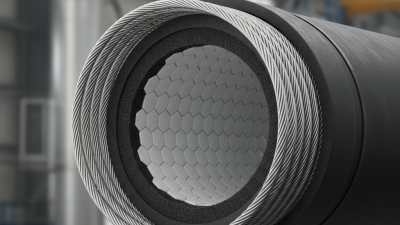
When considering concrete delivery hoses, material choice is pivotal. Most hoses are made from rubber, PVC, or polyurethane. Each material comes with distinct advantages and drawbacks. Rubber hoses are durable and have great flexibility. They can withstand high pressure and dynamic movements on the job site. However, they tend to be heavier and can be more expensive.
PVC hoses, on the other hand, are lightweight and cost-effective. They are resistant to corrosion but may not handle extreme temperatures as well. For projects requiring less heavy-duty use, a PVC hose can still provide reliable performance. Polyurethane hoses offer a mix of durability and lightweight properties. They resist abrasion and are flexible even in cold weather. Yet, they can be more prone to UV damage if left exposed.
Selecting the right material depends on the specific project requirements. It is essential to weigh factors like pressure resistance, weight, and environmental conditions. Contractors often need to reflect on their past experiences with different hoses. Some might find that a rubber hose lasted longer than a cheaper alternative. Others may prefer the ease of handling a lighter PVC hose. Each choice comes with a need for careful consideration and evaluation of trade-offs.
The Best Concrete Delivery Hose Options for 2026 Top Selection
| Material |
Diameter (inches) |
Length (feet) |
Maximum Pressure (psi) |
Weight (lbs) |
Abrasion Resistance |
| Rubber |
4 |
50 |
3000 |
25 |
High |
| Polyurethane |
5 |
40 |
3500 |
20 |
Excellent |
| PVC |
3 |
30 |
2000 |
15 |
Moderate |
| Steel Reinforced |
6 |
60 |
4000 |
30 |
Very High |
Best Practices for Maintaining and Storing Concrete Delivery Hoses
Concrete delivery hoses are essential for efficient work on construction sites. Proper maintenance and storage ensure longevity and reliability. Regular inspection is crucial. Look for signs of wear, cracking, or leaks. Replace any damaged hoses immediately to prevent delays.
Storage practices matter. Keep hoses away from extreme temperatures and direct sunlight. Ideally, store them in a dry, shaded area. Coil them properly to avoid kinks and bends. A well-organized storage solution minimizes damage.
It's important to clean hoses after each use. Residual concrete can harden inside, causing blockages. A simple wash with water usually suffices. Make it a habit to check connections and fittings as well. Regular care can reduce unexpected failures. Neglecting basic maintenance can lead to costly repairs and project setbacks.