Top Benefits of Using Concrete Rubber Hose for Your Projects?
In recent years, the demand for durable and versatile materials in construction projects has surged. The Concrete Rubber Hose is one such innovation that has captured attention. This unique product combines the strength of concrete with the flexibility of rubber. It offers remarkable benefits that can enhance the efficiency of any project.
One distinct advantage of using Concrete Rubber Hose is its resistance to harsh weather conditions. Unlike traditional hoses, it can endure extreme temperatures without degradation. This ensures longevity and reduces the need for frequent replacements. Moreover, its lightweight nature makes it easier to handle on-site, even for large-scale applications.
However, relying solely on Concrete Rubber Hose may not address all project challenges. Some users report difficulties when working in tight spaces. Current designs can limit maneuverability, requiring careful planning. A comprehensive understanding of its limitations is crucial for achieving the best results. Thus, while the Concrete Rubber Hose provides numerous benefits, a balanced approach to its application is essential.
Benefits of Durability and Flexibility of Concrete Rubber Hose
Concrete rubber hoses offer significant advantages in various construction and industrial applications. Their durability is one of the key benefits. According to a report by the American Concrete Institute, concrete rubber hoses can last up to 30% longer than traditional materials. This longevity reduces the frequency of replacements and maintenance costs. In environments where hoses are exposed to abrasive materials, their tough outer layer minimizes wear and tear.
Flexibility is another important aspect. Concrete rubber hoses are designed to bend and maneuver easily. This flexibility allows for better positioning and reduces the risk of kinking or rupturing under pressure. A study in the Journal of Materials Science found that flexibility improves operational efficiency by up to 20%. Workers benefit from reduced fatigue when handling lightweight, adaptable hoses. Yet, there’s a need for careful handling to prevent damage during extreme colder temperatures.
While these hoses are strong, they require proper storage when not in use. Leaving them exposed can lead to degradation. Many users overlook this point, impacting the overall lifespan. Evaluating the environment for usage is crucial. Regular inspections should be complemented by proactive maintenance to maximize both durability and performance. In conclusion, understanding these nuances can lead to more efficient project outcomes and cost savings.
Cost-Effectiveness of Using Concrete Rubber Hose in Long-Term Projects
The cost-effectiveness of using concrete rubber hoses becomes evident over the lifespan of various projects. These hoses can withstand harsh conditions, reducing the need for frequent replacements. When compared to traditional hoses, concrete rubber options often last longer. This durability is crucial for long-term projects that demand reliability.
In addition to longevity, concrete rubber hoses are lightweight and flexible. This makes them easy to handle and transport. Reduced labor costs are an often-overlooked benefit. Workers can save time when moving flexible hoses compared to heavier alternatives. However, initial setup costs might be higher. It's essential to assess the total project budget rather than focusing solely on upfront expenses.
Users may experience challenges with compatibility in some systems. They need to ensure that the hose's specifications align with other equipment. Regular inspections can help identify any wear and tear early on. This attention to detail can save money in the long run. A proactive approach to maintenance should be part of any project plan. After all, investing time into regular checks can prevent larger problems later.
Top Benefits of Using Concrete Rubber Hose for Your Projects
| Benefit |
Description |
Long-Term Cost Savings |
| Durability |
Concrete rubber hoses are resistant to wear and tear, abrasion, and environmental factors, making them suitable for long-term use. |
Reduced replacement costs over time. |
| Flexibility |
These hoses can maintain flexibility even in extreme temperatures, which aids ease of handling and installation. |
Lower labor costs due to easier handling. |
| Lightweight |
Concrete rubber hoses are lighter than traditional concrete hoses, facilitating easier transport and setup. |
Saves on transport and handling costs. |
| Reduced Maintenance |
These hoses require less frequent servicing compared to standard hoses due to their rugged construction. |
Lower long-term maintenance costs. |
| Versatility |
Can be used in various applications, including construction, mining, and agriculture. |
Eliminates the need for multiple hose types, reducing overall costs. |
Enhanced Resistance to Chemicals and Abrasion with Concrete Rubber Hose
Concrete rubber hoses are gaining popularity in various projects due to their enhanced resistance to chemicals and abrasion. This material stands out for its durability and effectiveness in tough environments. Whether it’s carrying water or industrial materials, these hoses perform exceptionally well, ensuring safety and longevity.
A key advantage of concrete rubber hoses is their ability to resist degradation. Unlike traditional hoses, they don’t easily break down when exposed to chemicals. This is vital for projects where exposure to harsh substances is common. For instance, in construction sites, these hoses endure wear and tear better than conventional options. This means fewer replacements and reduced costs over time.
When using concrete rubber hoses, consider proper maintenance. Regularly check for any signs of wear, such as cracks or leaks. Keeping the hoses clean can also extend their lifespan. Avoid sharp objects that could puncture the surface. Although they are tough, care is essential for optimal performance. Regular inspections ensure that your projects run smoothly without unexpected failures.
Ease of Installation and Maintenance for Concrete Rubber Hose
Concrete rubber hoses are a popular choice for many construction projects due to their ease of installation and maintenance. These hoses are lightweight and flexible, allowing for quick setup in various environments. This flexibility means they can maneuver around tight corners and obstacles with ease, simplifying the installation process. Additionally, reducing the amount of time spent on installation can lead to overall cost savings in any project.
Maintenance of concrete rubber hoses is straightforward. They can be cleaned easily, and their durable material resists wear from exposure to various elements. Regular inspections are recommended to ensure optimal performance. However, users should be aware that even the most resilient hoses can develop wear over time. It’s essential to keep an eye on any signs of damage or degradation. Noticing minor issues early can prevent significant disruptions later on in your project.
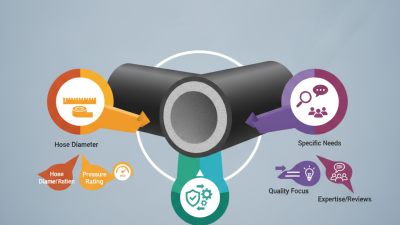
While concrete rubber hoses offer many advantages, it's necessary to understand the context of their use. In specific environments, they might not perform as expected. For instance, extreme temperatures can affect their flexibility. Evaluating the specific needs of your project will help ensure you gain the most benefit from these hoses.
Applications of Concrete Rubber Hose in Various Industries and Environments
The concrete rubber hose finds applications across various industries, demonstrating its flexibility and durability. In construction, for instance, a report by the American Concrete Institute states that rubber hoses reduce downtime by approximately 20%. This allows projects to proceed more efficiently, especially in site conditions where traditional hoses might fail.
In agriculture, these hoses are crucial for irrigation and liquid transport. According to a study by the International Irrigation Association, the use of rubber hoses can increase water efficiency by up to 30%. This efficiency is vital in regions facing water scarcity. Still, there are challenges. While these hoses are resilient, they can be susceptible to wear in extreme temperatures. Close monitoring is essential to prevent unexpected breakdowns.
Environmental factors also play a role. In marine environments, these hoses are resistant to saltwater corrosion. However, their performance may decline near chemical spill sites, requiring careful consideration. The blend of concrete and rubber offers a unique solution, but it’s not without limitations. Recognizing these nuances is critical for industry professionals to optimize their use.
Top Benefits of Using Concrete Rubber Hose