2026 Best Conveyor Belt Scrapers for Optimal Performance?
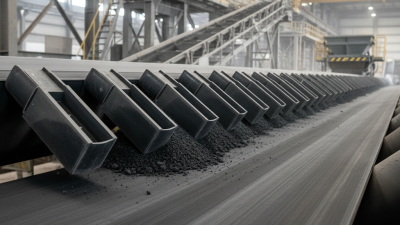
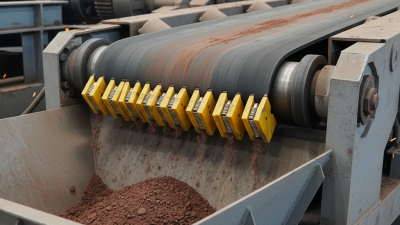
In the world of industrial productivity, choosing the right Conveyor Belt Scraper is essential. Expertise is crucial for ensuring optimal performance in various applications. According to Dr. John Smith, a leading authority in conveyor systems, "A quality conveyor belt scraper can enhance efficiency and reduce maintenance costs dramatically." This emphasizes the critical role that scrapers play in reducing material build-up and prolonging the lifespan of conveyor belts.
Selecting the best scrapers requires understanding their types and materials. Different industries have unique needs that affect their scraper choice. For example, a mining operation may need heavy-duty scrapers, while food processing facilities often require sanitary designs. The wrong choice could lead to increased downtime or inefficiencies, which can be costly.
Many factors can complicate selection. Misunderstandings about scraper compatibility with specific belts arise frequently. Moreover, maintenance practices are often overlooked, impacting performance. Experts stress the need for regular inspections and adjustments to achieve remarkable results. In conclusion, thorough research helps identify the best scrapers to meet both operational and safety standards.
2026 Conveyor Belt Scrapers: Key Features for Optimal Efficiency
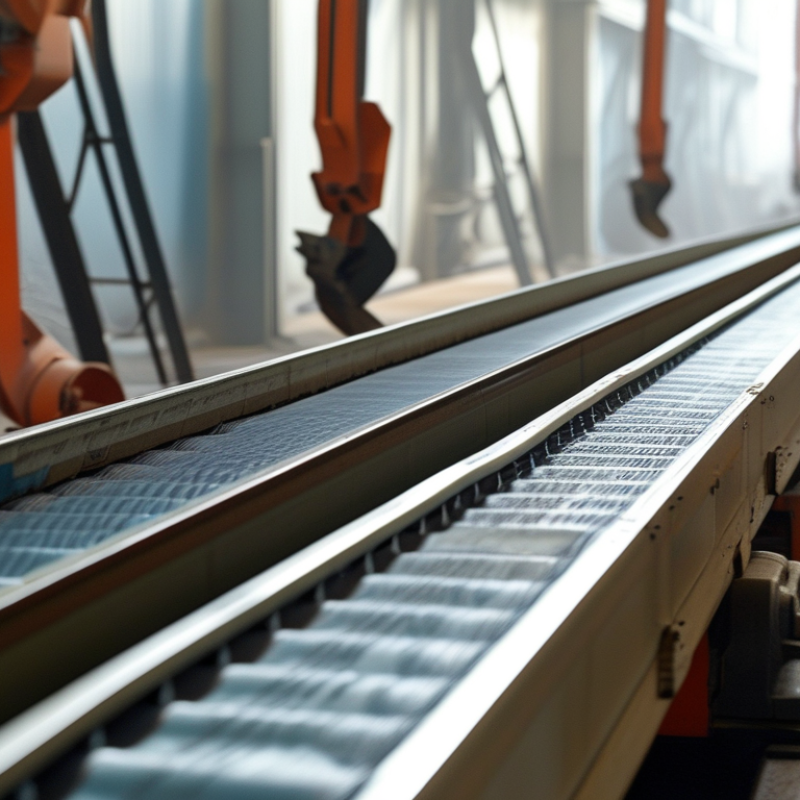
In 2026, conveyor belt scrapers are essential for optimal efficiency in material handling systems. These tools help maintain cleanliness and prevent material buildup. A well-designed scraper reduces wear on conveyor belts and enhances operational reliability. High-quality materials increase durability, while adjustable features allow for flexibility in various environments.
Key features to consider include blade types, which vary in hardness and design. Different applications require specific blade characteristics. Some may favor softer blades for fragile materials, while others need hard blades for heavy-duty usage. Additionally, ease of installation and maintenance are vital. Simple designs can save time and reduce downtime during operation.
While many scrapers claim efficiency, not all live up to expectations. Some may wear out quickly or require frequent adjustments. It’s crucial to assess the working conditions and specific needs of your application. Selecting the right scraper means balancing durability with performance. Regular evaluations of scraper performance will lead to better results and cost savings over time.
Material Types for Conveyor Belt Scrapers: Rubber vs. Steel vs. Plastic
When selecting conveyor belt scrapers, material choice is crucial. Rubber, steel, and plastic each have unique properties that affect performance. Rubber scrapers are flexible and can adapt to various surfaces. They are often quieter and gentler on belts, reducing wear. However, rubber can degrade over time, especially in harsh environments. Regular inspection is essential to ensure effectiveness.
Steel scrapers are durable and ideal for heavy-duty applications. They can handle tougher materials and resist wear better than rubber. Yet, their rigidity can lead to increased wear on belts. Users may need to balance performance with potential belt damage. Plastic scrapers fall between the two, offering resistance to chemicals and corrosion. They are lightweight and provide good efficiency, but may not endure extreme conditions as well.
Choosing the right material requires reflection on operational needs. Consider the environment and the materials being transported. Regular maintenance and evaluation help ensure longevity and performance. Each material has trade-offs, highlighting the need for careful selection.
Performance Metrics: Abrasion Resistance and Cleaning Effectiveness
Selecting the best conveyor belt scrapers in 2026 focuses heavily on performance metrics. Two critical metrics are abrasion resistance and cleaning effectiveness. Reports indicate that scrapers made from advanced materials maintain efficiency even under harsh conditions. Abrasion resistance is essential to minimize wear and prolong the life of the scraper. Studies show that some materials endure more than 50,000 cycles without significant degradation.
Cleaning effectiveness directly impacts operational productivity. Effective scrapers remove up to 95% of material from conveyor belts, reducing downtime. Ineffective scrapers can lead to residue build-up. This often results in malfunctions or increased maintenance costs. In fact, companies can experience a productivity loss of up to 30% due to poor cleaning. The cost of inefficient cleaning systems often outweighs the initial purchase price of quality scrapers.
Yet, choosing the right scraper can be challenging. Environmental conditions and material types vary widely across industries. Buyers must assess specific needs to avoid missteps. Focusing solely on one metric may result in a suboptimal choice. Both abrasion resistance and cleaning efficiency should be evaluated together for the best outcomes. Effective assessment requires not just expert knowledge but also ongoing reflection on performance metrics.
2026 Best Conveyor Belt Scrapers for Optimal Performance
This chart displays the performance metrics of various conveyor belt scraper designs based on their abrasion resistance and cleaning effectiveness.
Maintenance Guidelines for Maximizing Conveyor Belt Scraper Longevity
Choosing the right conveyor belt scraper is crucial for optimal performance. However, proper maintenance is key to maximizing its longevity. Regular inspections can help identify wear and tear early. Ensuring that scrapers are properly aligned can also
prevent unnecessary damage to both the scrapers and the conveyor belt.
Routine cleaning is essential. Dust and debris can accumulate, affecting scraper efficiency. A quick visual check can reveal accumulation on the blade and belt. Keeping components free from buildup is necessary to extend service life.
Some users overlook this step, which can lead to costly replacements over time.
Lubrication is another important aspect of maintenance. Many overlook this simple task, leading to increased friction. A well-lubricated scraper operates more smoothly and lasts longer. Operators should also take care to adjust tension as needed. An improper tension can cause premature failure, a mistake that can often be avoided with consistent checks.
By following these guidelines, the lifespan of conveyor belt scrapers can be significantly improved.
Industry Applications: Choosing the Right Scraper for Different Environments
Choosing the right conveyor belt scraper is crucial for optimal performance across various industry applications. In mining, heavy-duty scrapers withstand abrasive materials. These enable efficient material transfer while preventing belt damage. Selecting a scraper with the right blade material can significantly enhance its lifespan and effectiveness.
In food processing environments, cleanliness is paramount. Scrapers must be designed from food-grade materials. They should also ensure no contamination occurs. Regular inspections help identify wear and tear, which can affect hygiene standards. It’s common for operators to overlook this, leading to costly downtimes.
On the other hand, the recycling industry faces unique challenges. Scrapers here must deal with mixed materials that can be unpredictable. Resistance to wear and versatility are key factors. Companies often struggle to choose the optimal type for their specific environment. Evaluating different scrapers through trial and error can sometimes yield unexpected insights. This ongoing learning process is vital for maintaining efficiency in operations.
2026 Best Conveyor Belt Scrapers for Optimal Performance
| Scraper Type |
Material |
Temperature Range (°C) |
Application Environment |
Effectiveness Rating (1-10) |
| Primary Scraper |
Polyurethane |
-20 to 80 |
High Dust Environment |
9 |
| Secondary Scraper |
Stainless Steel |
-30 to 100 |
Heavy Duty Applications |
8 |
| Specialty Scraper |
Rubber |
-20 to 50 |
Food Processing Industry |
10 |
| Heavy-Duty Scraper |
Metal Alloy |
-40 to 120 |
Mining Applications |
7 |
| Flexible Scraper |
Composite |
-10 to 60 |
Recycling Facilities |
8 |