Why You Need a Conveyor Belt Scraper for Efficient Material Handling?
In the world of material handling, a Conveyor Belt Scraper plays a crucial role. Industry expert Linda Chang, a senior engineer at Conveyor Solutions, emphasizes, “A clean belt means efficient operations.” This statement highlights the importance of maintaining conveyor belts to avoid unnecessary downtime and improve productivity.
Many operations overlook the significance of a Conveyor Belt Scraper. Neglect can lead to material buildup, which hinders the system's efficiency. Such inefficiencies can ripple through the entire supply chain. Sometimes, businesses underestimate the value of preventative maintenance tools like scrapers. This oversight can prove costly in the long run.
Properly functioning scrapers extend the life of conveyor belts and reduce operational risks. They allow systems to run smoothly, ultimately saving time and resources. Implementing effective scrapers is essential for organizations that want to enhance their material handling capabilities. The results often speak for themselves, but many may need to reconsider their current practices.
Understanding the Role of Conveyor Belt Scrapers in Material Handling
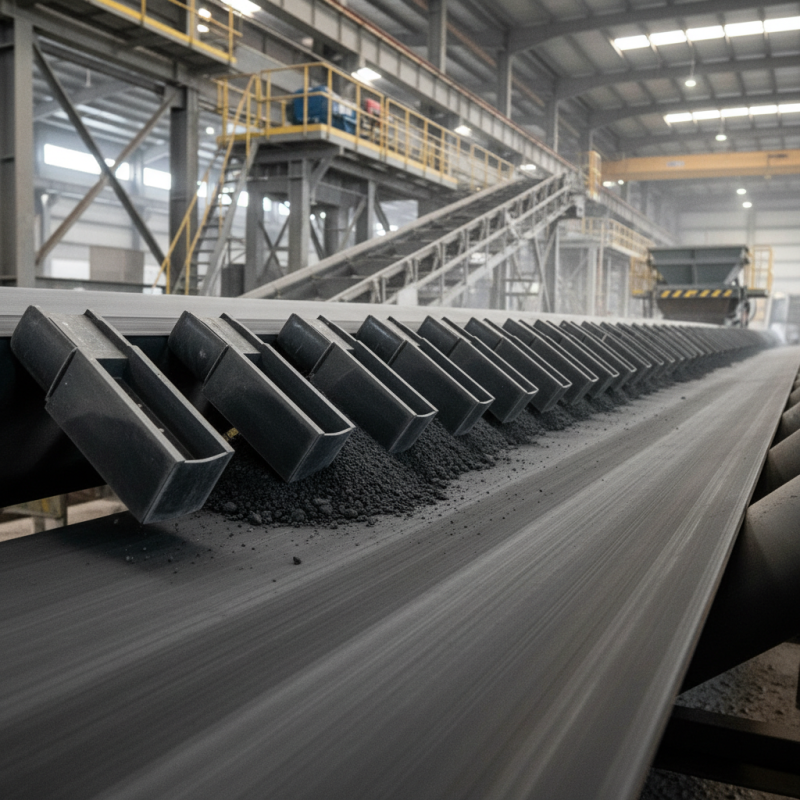
Conveyor belt scrapers play a crucial role in material handling systems. They help maintain the cleanliness of the conveyor belts. By effectively removing excess materials, they reduce the risk of damage to the belt itself. This minimizes downtime and maintenance costs, ensuring efficient operations.
The accumulation of material can lead to unforeseen delays. If not managed, it can cause misalignment and belt malfunction. Scrapers address these issues by providing a reliable solution. They clean the belt without causing significant wear. Establishing a regular maintenance schedule that includes scraper checks can enhance system performance.
Investing in a quality scraper is essential. However, choosing the right type for your specific application requires expertise. Not all scrapers are created equal, and matching them with the right conditions can be challenging. It's worth reflecting on your current setup and determining if adjustments are necessary. Efficiency does not come from a one-size-fits-all approach.
Importance of Conveyor Belt Scrapers in Material Handling
The Mechanism of Conveyor Belt Scrapers: How They Work
The mechanism of conveyor belt scrapers is crucial for efficient material handling. These devices play a significant role in maintaining the cleanliness and functionality of conveyor belts. By removing buildup and debris, they ensure the smooth operation of material transport. A properly functioning scraper can prevent slippage and downtime caused by material accumulation.
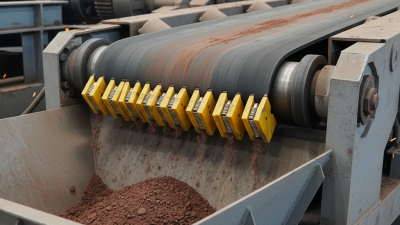
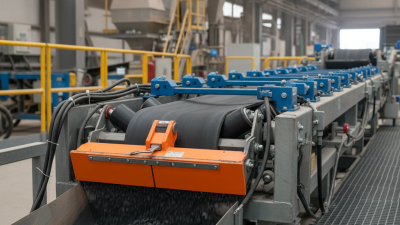
Conveyor belt scrapers work through simple yet effective mechanics. Typically, they consist of a blade made from durable materials, which affixes to the belt's surface. As the conveyor operates, the scraper glides along the belt, dislodging material. This action not only keeps the belt clean but also prevents contamination of the processed materials. Regular monitoring and maintenance of scrapers can enhance their effectiveness. However, it’s essential to choose the right scraper type for specific applications.
While scrapers are effective, they are not without flaws. Sometimes, improper alignment can lead to wear on the belt. If the scraper is too aggressive, it may damage the belt, leading to costly repairs. Regular checks and adjustments are vital to avoid such issues. It's a continuous learning process for operators to refine their techniques and ensure optimal performance of their systems.
Benefits of Using Conveyor Belt Scrapers for Operational Efficiency
Conveyor belt scrapers play a vital role in enhancing operational efficiency. They help remove material buildup from conveyor belts. This cleaning process reduces friction and prevents wear. When material accumulates, it can lead to slowdowns, jams, or even breakdowns. Regular use of scrapers minimizes these risks, keeping production flowing smoothly.
Implementing a conveyor belt scraper system also boosts safety. Clean belts provide better traction, reducing the chance of slips and falls. Workers feel more secure when operating machinery in a clean environment. Additionally, effective cleaning reduces maintenance costs. By prolonging the life of the conveyor belt, facilities save money on replacements or repairs.
However, selecting the right scraper can be tricky. Not all scrapers work well for every application. It’s essential to analyze specific operational conditions before choosing. Routine inspections should also be part of the maintenance plan. Scrapers need regular checks for effectiveness and wear. This practice ensures that the system operates at peak performance.
Common Types of Conveyor Belt Scrapers and Their Applications
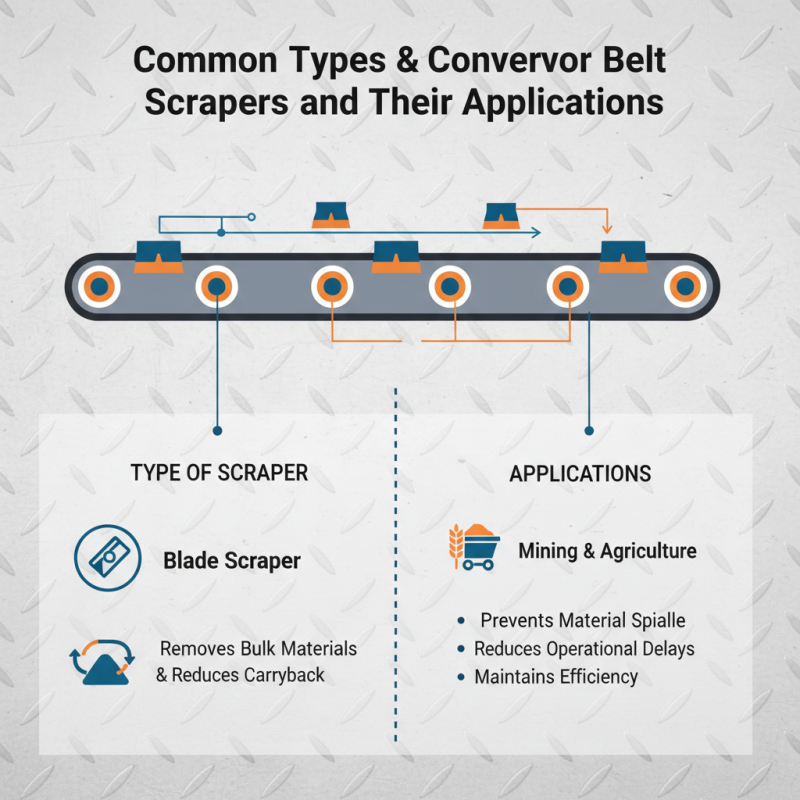
Conveyor belt scrapers play a vital role in maintaining efficiency in various material handling processes. There are several types of scrapers, each designed to address specific needs. For example, a blade scraper effectively removes bulk materials and reduces carryback. This is crucial in industries such as mining and agriculture, where material spillage can lead to operational delays.
In contrast, secondary scrapers are often used in tandem with primary scrapers. They focus on fine material residuals that the primary scraper might miss. This dual approach can significantly enhance the cleanliness of the belt and reduce downtime for maintenance. Another common type is the spiral scraper, which provides continuous contact with the belt, ensuring thorough cleaning even in challenging conditions.
Choosing the right scraper may seem straightforward but requires careful consideration. Understanding the materials being handled, the environment, and operational demands is essential. Each application might present unique challenges. Therefore, industry professionals must regularly assess the effectiveness of their chosen scrapers, ensuring they meet the evolving needs of their operations. The right choice impacts not merely efficiency but also the longevity of equipment and safety in the workplace.
Maintenance Tips for Maximizing the Lifespan of Belt Scrapers
A conveyor belt scraper plays a vital role in material handling systems. Proper maintenance increases efficiency and extends the lifespan of the scraper. According to a report from the Conveyor Equipment Manufacturers Association (CEMA), effective cleaning systems can enhance belt life by 10% to 50%. This statistic emphasizes the importance of regular upkeep.
To maximize the lifespan of belt scrapers, routine inspections are crucial. Check the wear and tear on the blades and adjust their positioning accordingly. Dirty scrapers can lead to materials accumulating on the belt, resulting in additional strain on the system. An analysis showed that neglecting maintenance can reduce overall conveyor efficiency by up to 20%. That’s a significant downturn for operations relying heavily on material transport.
Besides visual inspections, consider the environment where the conveyor operates. Dusty or wet environments may require more frequent servicing. It’s also important to train staff on proper scraper adjustments. Some operators might overlook this aspect, leading to decreased performance. Implementing a checklist for daily maintenance can ensure no detail is missed. Regular care encourages optimal function and enhances the entire material handling system.
Why You Need a Conveyor Belt Scraper for Efficient Material Handling? - Maintenance Tips for Maximizing the Lifespan of Belt Scrapers
| Maintenance Tip |
Frequency |
Recommended Action |
Expected Lifespan Improvement |
| Regular Inspection |
Weekly |
Check for wear and tear |
Up to 20% |
| Adjust Tension |
Monthly |
Ensure optimal belt tension |
15-25% |
| Clean Scrapers |
Bi-weekly |
Remove buildup and debris |
10-15% |
| Check Alignment |
Monthly |
Adjust if necessary |
Up to 30% |
| Replace Worn Parts |
As Needed |
Replace damaged components |
50% or more |