Chamber Filter Plate Buying Tips for Global Importers
In the realm of industrial filtration, the Chamber Filter Plate stands out as a crucial component. This innovation is widely used in sectors like food and beverage, pharmaceuticals, and wastewater treatment. According to a report by Global Filtration Solutions, the market for Chamber Filter Plates is projected to grow by 5.4% annually. This growth reflects the rising demand for efficient filtration systems.
Industry expert Dr. Anna Sullivan emphasizes the importance of selecting the right Chamber Filter Plate. She noted, “Understanding the specifications can significantly enhance operational efficiency.” Choices made by importers can directly affect their production quality and cost-effectiveness. A subpar filter plate can lead to delays and increased downtime.
Importers must navigate varying specifications and material options. Factors such as plate material, size, and filtration efficiency can make or break a deal. Many companies face challenges when sourcing these components. Misunderstandings about technical requirements can result in costly errors. Careful consideration and knowledge can alleviate these pitfalls, ensuring that the right Chamber Filter Plate is selected for optimal performance.

Understanding Chamber Filter Plates: A Comprehensive Overview
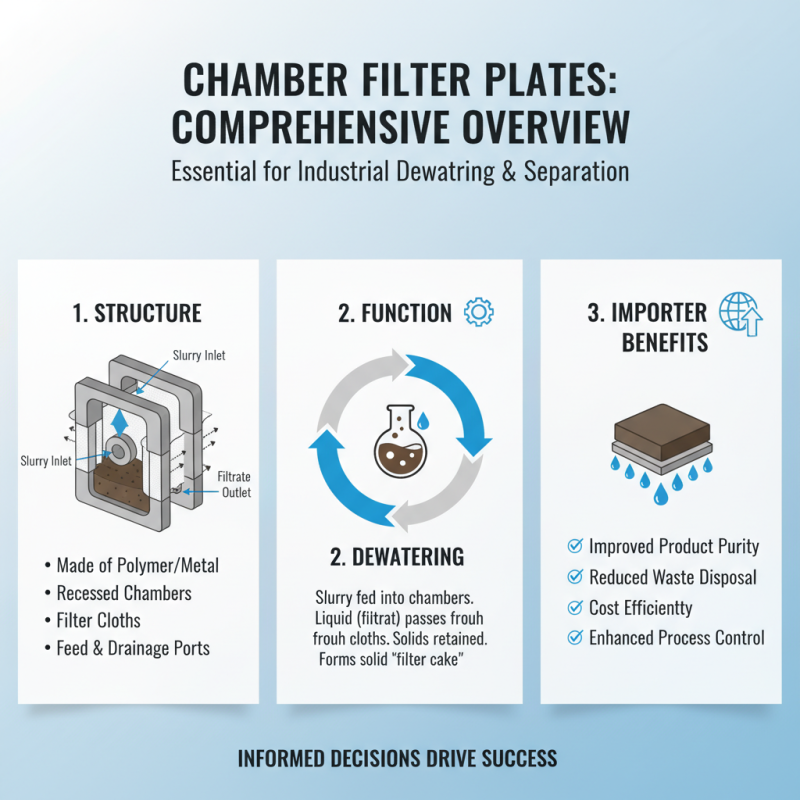
Chamber filter plates play a crucial role in various industrial processes. They are essential for dewatering slurries and separating solids from liquids. Understanding their structure and function can greatly enhance the decision-making process for importers.
Typically, these plates consist of a frame and a filtration medium. The frame is designed to withstand high pressure, while the filtration medium ensures efficient separation. Different materials are used for both components, impacting durability and effectiveness. Many importers overlook the importance of material selection. This can result in higher replacement costs and operational inefficiencies.
One common challenge is ensuring the right size and capacity. It’s vital to match the filter plate specifications with the intended application. Mismatched sizes can lead to poor performance, wasting time and resources. Proper installation is another critical aspect. Some importers may underestimate installation difficulties, affecting the overall efficiency of their filtration systems. Understanding these details can lead to improved operational success.
Key Factors to Consider When Sourcing Chamber Filter Plates
When sourcing chamber filter plates, quality and compatibility are crucial.
Ensuring the right size and material is essential for optimal performance. Look for plates that can withstand the pressures and temperatures of your applications.
Verify that the dimensions match your equipment specifications to avoid issues during installation.
Consider the filtration capacity and effectiveness. Different applications require varying levels of filtration. High-performance plates often deliver better results.
Don't overlook the importance of ease of maintenance. Some designs may complicate cleaning or replacement, leading to downtime.
Tips: Check supplier certifications and customer reviews.
Reputable suppliers provide reliable products.
Request samples to evaluate quality before making large purchases. Engage with other professionals in your industry for insights on the best practices.
Reflect on how these factors play a role in your long-term operational success.
Evaluating Material Quality and Specifications for Import
When importing chamber filter plates, assessing material quality is crucial. Filters are typically made from materials like polypropylene or polyester. Each material has its own benefits and limitations. Polypropylene is resistant to many chemicals, while polyester may offer higher temperature tolerance. Recognizing these differences can help importers make informed decisions.
Specifications also play a significant role in the selection process. Pay attention to the thickness of the plates and the pore size. Thicker plates might withstand more pressure but could also increase weight. Smaller pore sizes ensure finer filtration but may affect flow rates. This balance between durability and efficiency often requires careful consideration.
Communication with suppliers is vital. Request detailed specifications and certifications. This can greatly reduce the risk of quality issues down the line. Some importers may overlook the importance of compliance, leading to potential headaches later. Regular quality checks are essential even after procurement. An initial good impression can sometimes mask underlying problems.
Chamber Filter Plate Buying Tips for Global Importers - Evaluating Material Quality and Specifications for Import
| Material Type |
Filtration Efficiency (%) |
Temperature Resistance (°C) |
Thickness (mm) |
Weight (kg) |
Compliance Standard |
| Polypropylene |
95 |
80 |
10 |
1.5 |
ISO 9001 |
| Stainless Steel |
98 |
300 |
15 |
5.2 |
FDA Compliant |
| Ceramic |
99 |
500 |
12 |
3.0 |
ASTM D6904 |
| Polyethylene |
90 |
70 |
8 |
1.0 |
REACH Compliant |
| Fiberglass |
97 |
180 |
10 |
2.0 |
ISO 14001 |
Assessing Supplier Reliability and Reputation in the Market
When sourcing chamber filter plates, the reliability of suppliers becomes crucial. A sound reputation often indicates quality. Look for suppliers with a proven track record. Case studies and customer testimonials can provide insight. Do they have long-standing clients? If yes, it's a good sign.
Assessing their market presence is important too. Explore their online presence and reviews. A robust online reputation may suggest reliability. Look for any red flags in customer feedback. If complaints are common, reconsider your choice. Not all suppliers are transparent; some may hide significant issues.
Maintaining ongoing communication with suppliers is key. Ask questions about their production process and quality control measures. Gauge their willingness to share information. An open dialogue allows you to understand their standards better. Be cautious of overly vague answers. Reliable suppliers should have no issue elaborating on their practices.
Supplier Reliability Assessment for Chamber Filter Plates
This chart represents the reliability ratings of various suppliers in the chamber filter plate market based on customer feedback and market presence. The ratings are on a scale from 1 to 10, with 10 being the most reliable.
Logistical Considerations for Importing Chamber Filter Plates
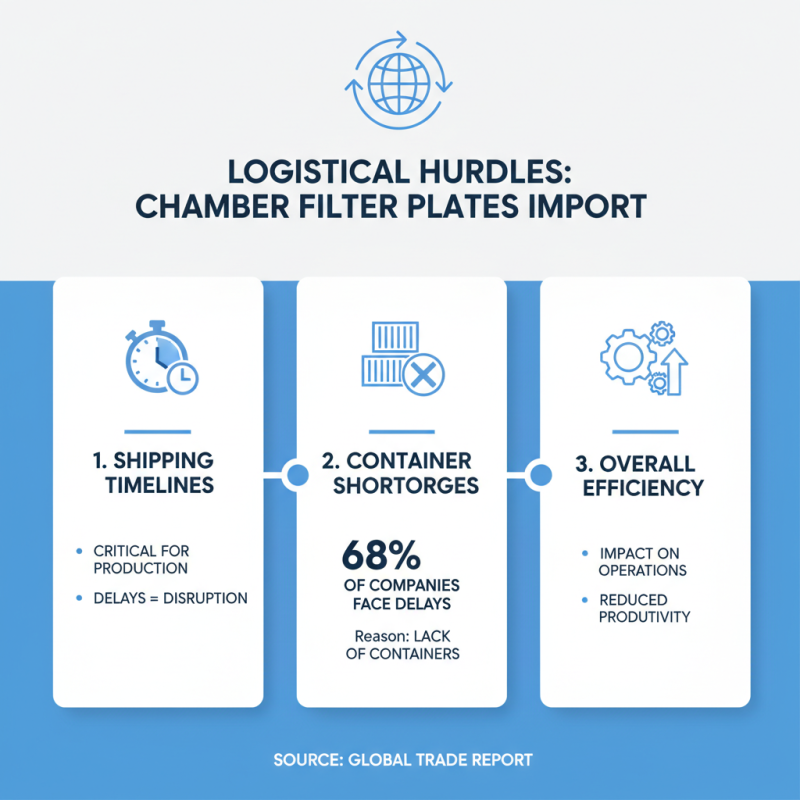
When importing chamber filter plates, logistics play a critical role. Understanding shipping timelines is essential. Delays can impact production schedules. A report noted that 68% of companies experience shipping delays due to container shortages. This affects the overall efficiency of the operation.
Choosing the right freight service is vital. Air freight may offer speed, but costs are higher. Sea freight remains popular for bulk orders. Industry reports show that sea freight can save up to 40% on transportation costs compared to air. However, transit times can be lengthy, sometimes stretching beyond 20 days, depending on the route.
Compliance with import regulations is another concern. Each country has unique requirements. Importers must stay informed to avoid fines and delays. Approximately 30% of shipments face delays due to inadequate documentation. This indicates the need for thorough preparation. Understanding local laws can minimize risks. Importers also need to consider the environmental impact of their choice of transport. Balancing cost, time, and sustainability is not always straightforward.