Why Choosing the Right Chemical Hose is Essential for Safety and Efficiency?
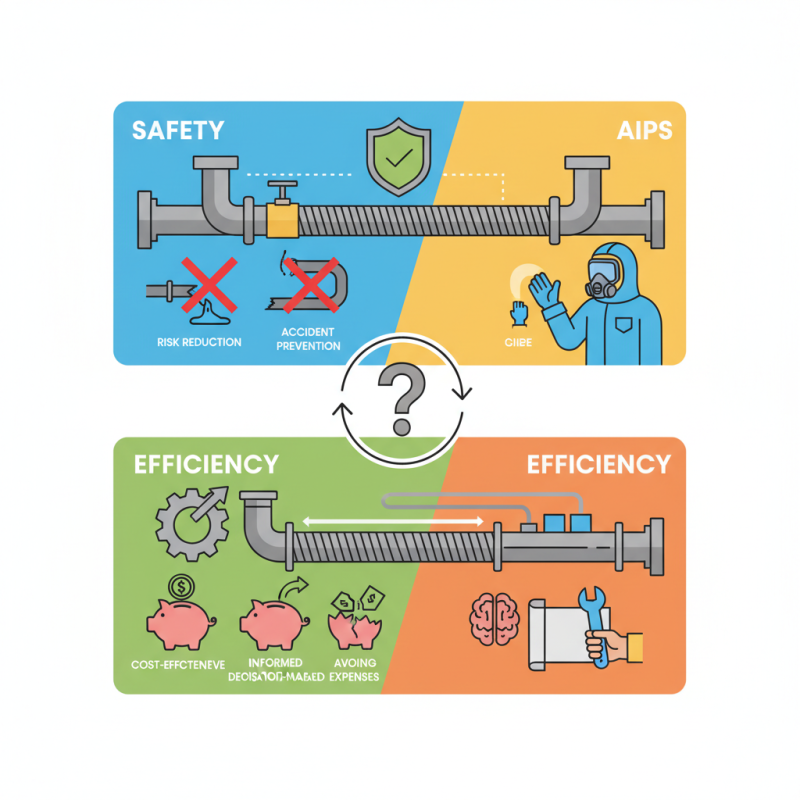
Choosing the right Chemical Hose is crucial for various industries. It ensures safety and improves efficiency. An appropriate Chemical Hose can withstand harsh conditions. It must resist corrosion and maintain flexibility.
Many experts highlight the risks of using unsuitable hoses. A faulty Chemical Hose can lead to leaks or accidents. This not only affects workers but also the environment. The right selection minimizes these risks and promotes a safer workplace.
Investing in quality Chemical Hoses is essential. Poor choices might appear cost-effective initially. However, they can lead to repeated expenses due to failures. Proper training on hose selection is vital. Understanding specifications helps users make informed decisions.
Understanding the Importance of Chemical Hoses in Industrial Applications
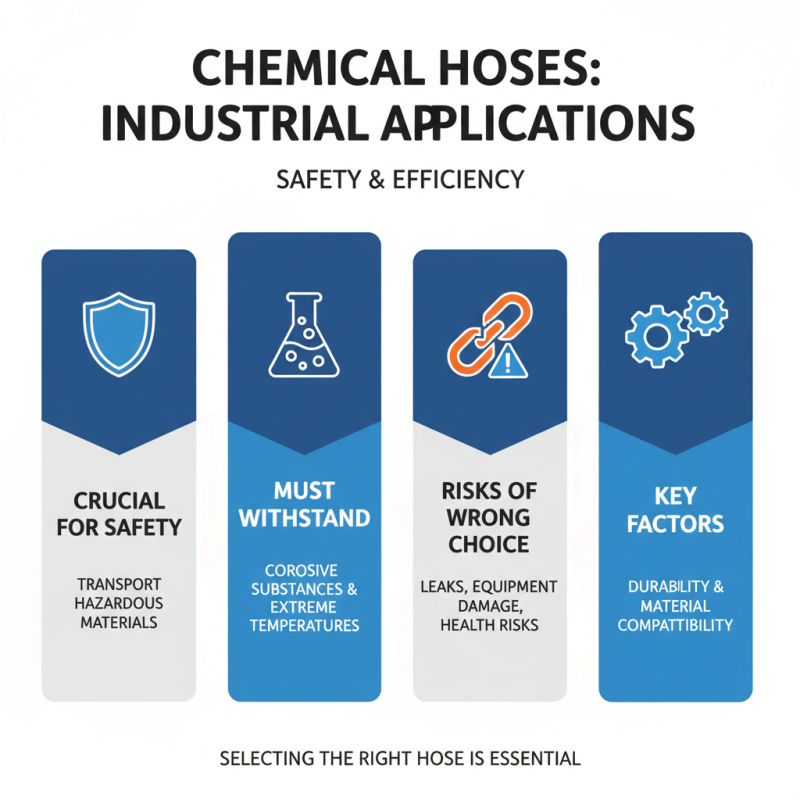
In industrial applications, selecting the right chemical hose is crucial for maintaining safety and efficiency. These hoses are designed to transport hazardous materials. They must withstand corrosive substances and extreme temperatures. The wrong choice can lead to leaks, equipment damage, and health risks. It's not just about durability; compatibility with the material being transported is key.
Tips for Selecting a Chemical Hose:
1. Always know the characteristics of the chemicals. Understand their temperature and pressure limits. This knowledge can prevent accidents.
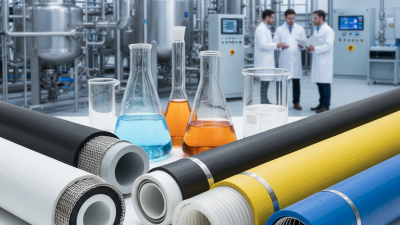
2. Check the hose materials. Ensure they are resistant to the specific chemicals used in your operation. Materials like PTFE and rubber are often considered for their effectiveness.
3. Regular inspections are vital. Look for signs of wear and tear. Don’t wait for a visible leak to act. Maintenance can save you from costly downtime.
Selecting a chemical hose can seem straightforward but involves critical thinking. Misjudgments can lead to operational failures. Sometimes products that seem suitable may have hidden flaws. Always consult industry experts if you have doubts. Remember, your choices affect not just efficiency but also workplace safety.
Key Factors to Consider When Selecting a Chemical Hose
Selecting the right chemical hose is critical for both safety and operational efficiency. Numerous factors dictate the best choice. Material compatibility is essential. Different chemicals require specific materials to avoid degradation. Consider the temperature and pressure ratings as well. A hose that cannot handle excessive heat or pressure may fail unexpectedly.
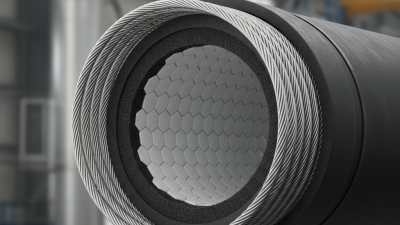
Another key factor is the hose's construction. Reinforcement layers can offer additional strength. Evaluate the flexibility required for your application. A stiff hose may not perform well in tight spaces. Ensure the fittings match your system specifications. Misalignment can lead to leaks and hazards.
Lastly, think about the length of the hose. A hose that is too long can impede flow. It can also create unnecessary safety risks. Regular maintenance checks are vital. Inspect hoses for wear and tear frequently. Reflecting on these elements can help prevent future issues and ensure reliable operation.
Why Choosing the Right Chemical Hose is Essential for Safety and Efficiency? - Key Factors to Consider When Selecting a Chemical Hose
| Factor |
Description |
Importance Level |
Examples |
| Material Compatibility |
Ensure the hose material can withstand the chemicals being transported. |
High |
PVC, Rubber, PTFE |
| Temperature Resistance |
Select hoses that can operate within the required temperature ranges. |
Medium |
-20°C to 100°C |
| Pressure Rating |
Choose hoses with a pressure rating suitable for the application. |
High |
100 psi, 300 psi |
| Hose Length |
Consider the required length to facilitate safe and efficient handling. |
Medium |
10 ft, 50 ft, 100 ft |
| Flexibility |
Select hoses that are flexible enough for the intended application without kinking. |
Medium |
Reinforced vs. non-reinforced hoses |
| Regulatory Standards |
Ensure compliance with industry regulations for safety. |
High |
ASTM, FDA, ISO standards |
Common Types of Chemical Hoses and Their Applications
When selecting a chemical hose, it’s crucial to understand the common types and their specific applications. Different chemicals require different hoses. For instance, rubber hoses are often used for acids and caustics. They provide flexibility and resistance to chemical reactions. However, they can wear out quickly under constant use.
Another popular option is the Teflon hose. This type is excellent for high-temperature applications. It is non-reactive and can handle a wide range of chemicals. Yet, it may be more expensive and less flexible than rubber. Being aware of these characteristics is essential for making informed choices.
PVC hoses are lightweight and cost-effective, making them a common choice for many industries. They work well for less corrosive chemicals. Still, they may lack durability in harsher environments. Reflecting on these options helps ensure safety and efficiency in operations.
Selecting the wrong hose can lead to leaks, exposure, and costly downtime. This highlights the importance of choosing wisely.
Safety Risks Associated with Incorrect Hose Selection
Choosing the right chemical hose is critical. Incorrect hose selection can lead to severe safety risks. For instance, using a hose not rated for certain chemicals can result in leaks. This can create hazardous spills, leading to potential injuries.
It’s essential to consider the materials and construction of the hose. A poorly chosen hose might degrade quickly. This acceleration in wear can compromise structural integrity. Signs like stiffness or discoloration often indicate a hose is failing. Regular inspections are vital, yet many overlook this.
Moreover, temperature and pressure ratings play a significant role in safety. Operating outside these limits can lead to catastrophic failures. Employees may underestimate the risks, thinking all hoses are similar. This mindset can cause serious accidents. Awareness and proper training about hose selection are crucial activities that often need improvement.
Best Practices for Maintaining and Inspecting Chemical Hoses
Maintaining and inspecting chemical hoses is critical for safety and efficiency. Regular checks can prevent leaks and failures. Start by examining the hoses for signs of wear. Look for cracks, abrasions, or discoloration. These indicators often hint at potential weaknesses. A small crack can lead to significant product loss or dangerous spills.
Inspect the fittings and connections often. Loose connections might go unnoticed but can cause leaks. Tightening them should be a routine task. Use appropriate tools for this job to avoid damage. Document inspections meticulously. A careful log allows for tracking changes over time. It helps in recognizing patterns that may indicate an underlying issue.
Cleaning the hoses is another vital practice. Residual chemicals can corrode the inner lining. Choose compatible cleaning agents to avoid further damage. Pay careful attention to storage conditions. Keeping hoses in a cool, dry place protects them from degradation. Each of these steps reinforces safety and can prevent incidents. Yet, it’s worth noting that even with diligence, problems can occur unexpectedly. Regular training can help teams stay aware of the best practices in hose maintenance.
Importance of Chemical Hose Inspection Frequency
This chart illustrates the recommended inspection frequency for different types of chemical hoses. Regular inspections are essential to maintain safety and efficiency during chemical transfers.