What Is Abrasion Resistant Rubber Hose Used For?
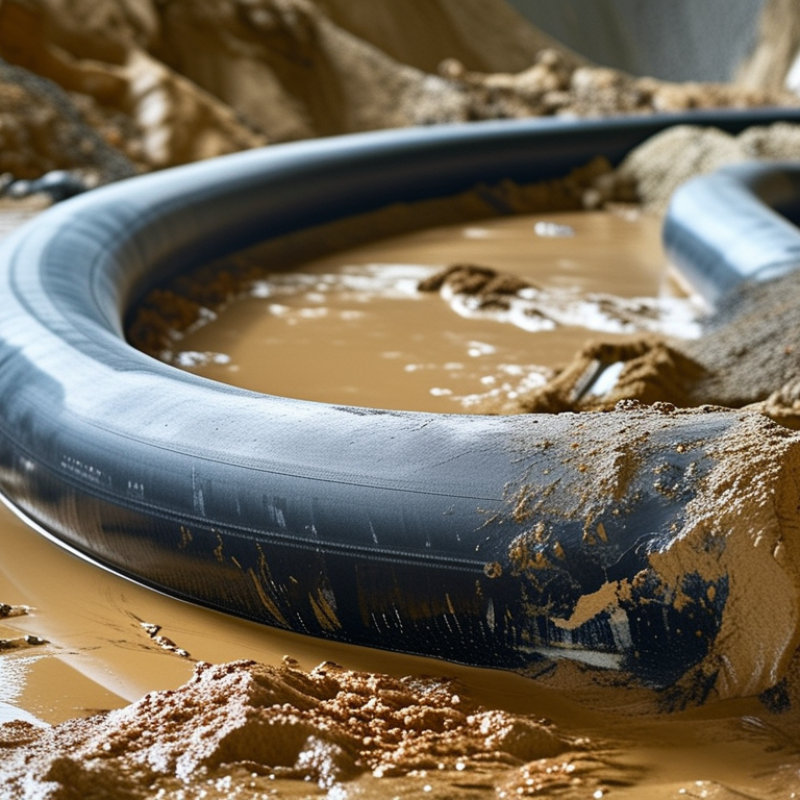
An Abrasion Resistant Rubber Hose is designed to move materials that quickly damage ordinary piping. It handles sand, gravel, cement, minerals, slurry, and other abrasive mixtures. These hoses are common in mining, quarrying, dredging, construction, and concrete processing. Inside the hose, a tough rubber tube absorbs repeated contact from sharp particles. The flexible structure also helps workers route materials around pumps, vehicles, and uneven work areas.
It protects equipment.
In mining operations, the hose may carry wet ore from a processing line. In a quarry, it can transfer crushed stone without creating rigid-pipe alignment problems. Dredging systems use it for mixtures of water, mud, and sand. Concrete plants may rely on specialized versions for demanding pumping conditions. Practical experience shows that hose life depends on more than rubber thickness. Material size, flow speed, pressure, temperature, bend radius, and installation quality all influence performance.
The phrase “abrasion resistant” does not mean indestructible. A hose can fail early when workers force tight bends or ignore pressure ratings. Poorly supported connections may also create local wear. Inspection should include cover damage, exposed reinforcement, unusual swelling, and changes in flexibility. Manufacturers’ test data can guide selection, but field conditions still matter. This article examines what Abrasion Resistant Rubber Hose is used for, how it works, and where careful specification improves reliability. Some applications remain difficult to predict. That is why experienced engineers combine technical data with regular inspection and honest evaluation of operating conditions.
Definition and Basic Structure of Abrasion Resistant Rubber Hose
What is abrasion resistant rubber hose used for?
It is designed to move materials that repeatedly scrape the hose wall. Typical media include mineral slurry, sand, gravel, cement mixtures, and other solid particles suspended in fluid. Its main value is wear control, not unlimited service life.
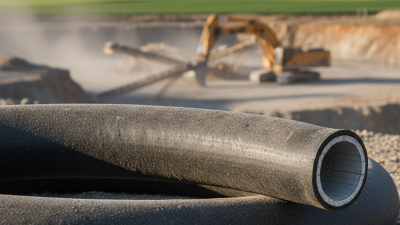
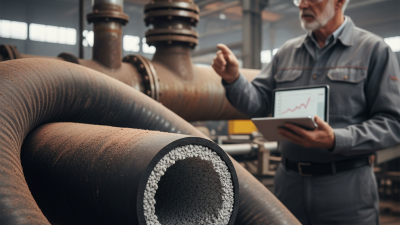
In practical hose inspections, the definition depends on both the rubber compound and the hose structure. The inner tube forms the working passage. It uses a dense, abrasion-resistant rubber layer. This layer contacts the conveyed material directly.
Textile or steel reinforcement supports pressure and prevents excessive expansion. The outer cover protects against moisture, sunlight, oil exposure, and contact damage. End fittings complete the assembly and must match the operating pressure.
Not indestructible.
Some designs also include multiple reinforcement plies or a thicker tube for severe duty. That extra material can improve wear resistance, but it may reduce flexibility and increase handling weight. Small details matter. A hose can fail early when its bend radius is ignored, flow speed is excessive, or sharp particles settle near a low point.
The correct choice considers particle size, concentration, temperature, pressure, and movement frequency. It also requires regular inspection for bulges, cracks, exposed reinforcement, and unusual stiffness. A visual check cannot reveal every internal defect.
Easy to forget. Wear is gradual. Abrasion resistance should therefore be treated as one part of hose selection, not a promise of indestructibility. Even a well-built hose may need replacement sooner than expected in a harsh, poorly supported installation.
Key Materials and Performance Characteristics
What Is Abrasion Resistant Rubber Hose Used For?
Key Materials and Performance Characteristics
Abrasion resistant rubber hoses move harsh materials through demanding industrial systems. Common uses include sand, gravel, cement, mining slurry, coal, and mineral concentrates. They also handle concrete mixtures and other solids suspended in liquid. The hose protects against rapid wear caused by sharp particles and repeated friction.
The inner tube usually contains natural rubber, synthetic rubber, or a blended compound. Natural rubber provides strong resistance to cutting and impact. Synthetic compounds can improve heat, oil, or chemical resistance. The best material depends on the transported medium. There is no universal rubber formula. A hose that performs well with wet sand may fail quickly with hot oil.
Reinforcement layers support pressure and bending. Textile plies suit flexible, moderate-pressure applications. Steel wire can provide greater strength, vacuum resistance, or structural support. A smooth inner surface may reduce turbulence and material buildup. The outer cover needs resistance to weather, dragging, and occasional impact.
Field inspections often reveal damage before failure. Look for exposed reinforcement, bulges, cracks, and unusual stiffness. Abrasion resistance does not mean abrasion-proof. Tight bends can concentrate stress in one small area. This is an easy detail to miss. Temperature, pressure, particle size, flow speed, and bend radius should guide hose selection. Technical data sheets and application testing remain more reliable than appearance alone.
Selection, Installation, and Maintenance Considerations
Abrasion-resistant rubber hose is used where slurry, sand, gravel, cement, or mineral particles repeatedly strike the hose wall. The U.S. Geological Survey reported about 1.5 billion metric tons of crushed stone production in the United States during 2023. That volume explains the demanding service conditions in quarries, mines, dredging systems, and concrete plants. However, selection should not rely on abrasion resistance alone. Check the material’s particle size, concentration, temperature, pressure, and flow speed. A thicker wall is not always better.
Select a hose with a suitable abrasion rating, working pressure, and minimum bend radius. ISO 18752 provides performance classifications for hydraulic hose construction, but users must still match the hose to the actual application. During installation, prevent twisting and sharp bends. Use proper clamps and support heavy sections near connections. Keep the hose away from hot surfaces and moving equipment. In practice, poor alignment often causes premature failure, even with a high-quality lining. That detail is easy to underestimate.
Tips: Mark the installation date. Inspect the cover weekly in severe service. Look for cuts, bulges, exposed reinforcement, flattened areas, and unusual stiffness. Measure wall thickness at fixed points when practical. Replace the hose before reinforcement becomes visible. Do not wait for leakage. A maintenance log should record pressure changes, media, operating temperature, and inspection findings. The U.S. Bureau of Labor Statistics continues to identify equipment-related hazards as a major workplace safety concern, so inspection records should support both reliability and safer decisions. Some inspections will reveal uncertain damage. Treat that uncertainty seriously, and request technical evaluation rather than guessing.