Top 10 Best Composite Hoses for Safe and Efficient Fluid Transfer?
In the world of fluid transfer, the importance of safe and efficient systems cannot be overstated. Composite hoses are at the forefront of this technology, offering robust solutions for various industries. A report from the Fluid Transfer Association highlights that composite hoses can reduce the risk of leaks by up to 40%. This statistic underscores the significance of selecting the right hose for the job.
Industry expert Dr. Emily Carter, known for her research in composite materials, emphasizes, "The right composite hose not only enhances safety but also ensures that operations run smoothly." Her insights reflect the ongoing quest for innovation in this sector. Proper selection and maintenance of composite hoses can lead to significant operational costs savings.
However, not all composite hoses are created equal. Some may underperform or fail under specific conditions. Users should consider aspects like chemical compatibility and pressure ratings. Choosing a high-quality composite hose requires careful evaluation of needs. The right choice can protect assets and enhance efficiency in fluid transfer processes.

Benefits of Using Composite Hoses for Fluid Transfer
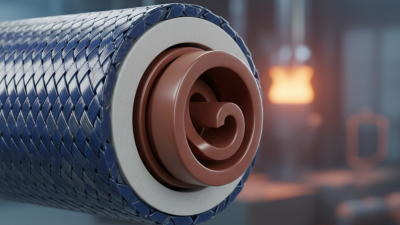
Composite hoses are increasingly preferred for fluid transfer due to their exceptional benefits. These hoses, designed with multiple layers of materials, offer superior flexibility and strength. According to a report by the Fluid Transfer Association, composite hoses can handle a wide range of chemicals and temperatures, making them versatile for various industries.
One advantage is their lightweight design, which significantly reduces handling challenges. In fact, the same report indicates that their weight can be up to 30% less than traditional metal hoses. This characteristic helps improve workplace safety and efficiency. They are also resistant to kinks and punctures, ensuring a secure fluid transfer environment. Another benefit is their resistance to corrosion, which extends their lifespan. However, proper maintenance and regular inspections are essential to prevent wear over time.
Composite hoses also demonstrate excellent leak resistance. A study by the Fluid Safety Council found that leaks can lead to significant environmental hazards and financial losses. Composite hoses can reduce these risks, providing peace of mind for operators. Adopting these hoses can lead to safer operations overall, but users must remain vigilant about their limitations and replacement cycles. Regular training on the proper usage of composite hoses is also vital for maximizing their potential and ensuring safety in fluid handling operations.
Key Features to Consider When Choosing Composite Hoses
When selecting composite hoses for fluid transfer, several key features must be evaluated. First, consider the material construction. Composite hoses can offer superior flexibility and resistance to various chemicals. According to industry reports, hoses made from multiple layers provide enhanced durability and safety. Properly constructed hoses resist abrasion, pressure, and wider temperature ranges.
Additionally, ensure that the hose has appropriate fittings. Quality fittings prevent leaks and ensure secure connections. Studies reveal that improper fittings can lead to fluid loss, posing risks to safety and efficiency. Pressure ratings are also critical; select hoses that can handle the maximum pressure anticipated in your operations.
Tip: Regular inspections can identify wear and tear early, ensuring safety and efficiency.
Lastly, take the environment into account. Lightweight composite hoses are more maneuverable but may perform differently under harsh conditions. Understanding operational requirements can simplify the selection process. Some users overlook specific environmental challenges, leading to suboptimal choices.
Tip: Always consult industry standards and specifications for fluid transfer to make informed decisions.
Top 10 Composite Hoses for Various Applications and Industries
Composite hoses are essential for fluid transfer in various industries. Their design allows for flexibility and durability. These hoses are used in chemical, petroleum, and food industries. Each application requires specific features to ensure safety. For example, hoses transporting chemicals must resist corrosion.
In the petroleum industry, composite hoses must handle high pressures. They often have multiple layers, enhancing strength. The food industry demands hoses that comply with health standards. These hoses need to be easy to clean and maintain. It’s crucial to choose the right hose for each application. Failing to do so can lead to leaks or contamination.
Regular inspection of composite hoses is key to safety. Users should check for signs of wear and tear. A small crack can lead to major issues over time. It’s important for businesses to train staff on proper handling. Ensuring everyone understands the risks can prevent accidents. In summary, selecting the right composite hose is vital for safe and efficient fluid transfer across various industries.
Safety Standards and Regulations for Composite Hose Use
When using composite hoses for fluid transfer, adhering to safety standards is crucial. These hoses must withstand pressure and resist chemical reactions. The materials used affect their longevity and performance. Regular inspections and maintenance can prevent failures.
Tips: Always check for signs of wear. Look for kinks, cracks, or discoloration. Even small defects can lead to significant issues.
The regulations surrounding composite hoses vary by industry. Some sectors have stricter guidelines due to hazards associated with the fluids being transferred. Awareness of these regulations is essential for safe operations. Training employees on proper handling is an investment in safety.
Tips: Make safety training a routine. Engaging employees can improve compliance. Regular refreshers are key to maintaining safety standards.
Top 10 Best Composite Hoses for Safe and Efficient Fluid Transfer
| Hose Type |
Length |
Inner Diameter |
Pressure Rating |
Temperature Range |
Applications |
| Chemical Composite Hose |
20 ft |
3 inch |
150 PSI |
-40°F to 180°F |
Chemical transfer |
| Petroleum Composite Hose |
30 ft |
4 inch |
200 PSI |
-20°F to 200°F |
Fuel transfer |
| Steam Composite Hose |
25 ft |
2 inch |
100 PSI |
-20°F to 450°F |
Steam transfer |
| Food Grade Composite Hose |
15 ft |
3 inch |
150 PSI |
-30°F to 180°F |
Food and beverage transfer |
| Acid Composite Hose |
40 ft |
4 inch |
250 PSI |
-40°F to 200°F |
Acid transfer |
| Ventilation Composite Hose |
10 ft |
2 inch |
75 PSI |
-20°F to 150°F |
Air ventilation |
| High Pressure Composite Hose |
50 ft |
3 inch |
500 PSI |
-10°F to 180°F |
High pressure fluids |
| Low Pressure Composite Hose |
30 ft |
1 inch |
50 PSI |
-30°F to 130°F |
Low pressure liquids |
| Specialty Composite Hose |
35 ft |
2.5 inch |
120 PSI |
-20°F to 140°F |
Various applications |
Maintenance Tips for Ensuring Longevity of Composite Hoses
Composite hoses are valuable for safe and efficient fluid transfer. Proper maintenance is crucial for their longevity. According to industry data, neglecting maintenance can reduce hose life by up to 50%. Regular checks can prevent costly failures and ensure smooth operations.
To maintain composite hoses, inspect them regularly. Look for signs of wear, such as cracks, kinks, or discoloration. Keep the hoses clean and free from debris. Dirt can lead to abrasions and compromise integrity.
Consider storing hoses in a cool, dry place to prevent unnecessary stress.
Pressure testing is essential for safety. Testing should occur at least monthly, especially in high-pressure applications. This identifies potential leaks before they become serious issues. Remember that each hose has a specific pressure rating. Exceeding this can lead to hazardous situations.
Document maintenance activities to track the hose's condition over time. Regularly reviewing this data provides insights into performance trends.