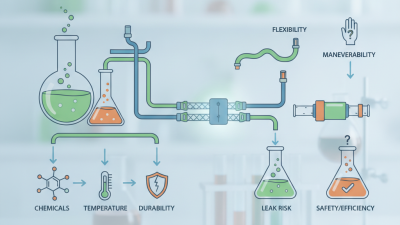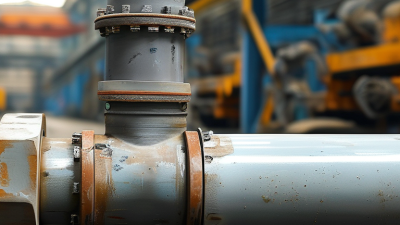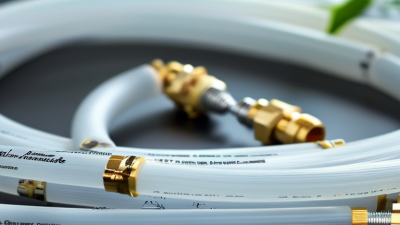
A Chemical Hose is a flexible transfer line designed for demanding fluids, including acids, solvents, oils, and corrosive mixtures. It is not simply a rubber tube. Its tube material, reinforcement, cover, fittings, and electrical properties must suit the application.
“Chemical compatibility is the starting point, not the finish line,” says John Treichel, a recognized hose-industry specialist and former NAHAD executive. His point deserves attention. A hose can resist a chemical and still fail under heat, pressure, bending, or repeated movement.
Small details matter.
A technician may inspect a hose before connecting it to a stainless-steel tank. The hose label should show its service rating, temperature range, size, and manufacturing information. The fittings must be correctly crimped or assembled. The bend radius must be respected, especially near pumps and loading arms. A sharp twist can weaken the reinforcement long before damage becomes visible.
Chemical Hose systems are used in chemical plants, laboratories, water-treatment facilities, pharmaceutical production, and industrial transport. Their purpose is controlled movement. Their risks come from misuse, aging, poor storage, and incorrect selection.
The difficult part is that no single hose works for every chemical. Concentration changes performance. Temperature changes it again. Even cleaning practices can shorten service life.
This article explains what a Chemical Hose is, how it works, and where it is commonly used. It also examines selection, inspection, storage, and replacement decisions. Some recommendations may seem obvious. They are still missed in real workplaces. That uncomfortable fact should shape every hose decision.
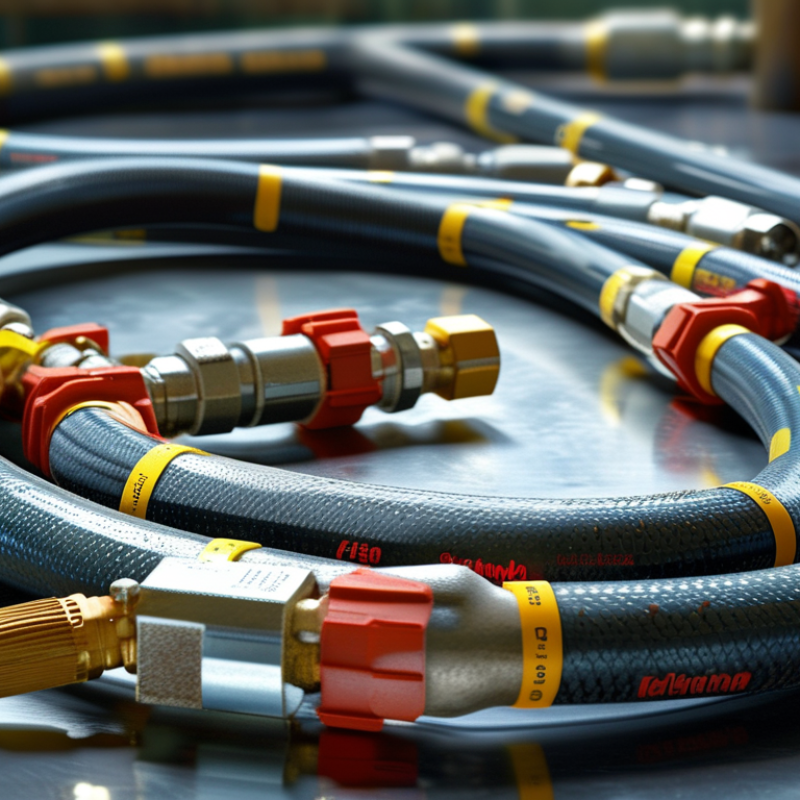
A chemical hose is a flexible tube designed to transfer aggressive liquids, vapors, or gases safely. Its inner lining must resist chemical attack, swelling, and permeation. Reinforcement layers help it handle pressure, bending, and repeated movement. In daily service, operators may use these hoses for loading, unloading, dosing, or cleaning systems.
EN 12115 covers chemical hose assemblies for liquid and gaseous chemicals. It includes working pressure classes commonly rated at 10, 16, or 25 bar, depending on the hose design and application. The correct pressure rating is not the only concern. Temperature, chemical concentration, flow speed, coupling design, and bending radius also affect safe performance. A 25 bar hose may still fail early if exposed to an incompatible solvent or excessive heat. That detail is easy to overlook.
Tips: Check the hose marking before every connection. Confirm the chemical, pressure, temperature, and hose size. Inspect the cover for cuts, blisters, stiffness, or exposed reinforcement. Keep the hose away from sharp edges and avoid twisting it during operation. Record inspection dates and replace doubtful assemblies. A small crack can become a serious leak. Do not assume appearance proves suitability. Always compare the manufacturer’s technical data with the latest EN 12115 requirements and the actual working conditions.
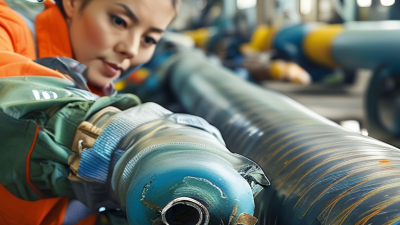
A chemical hose is a flexible line designed to transfer acids, solvents, oils, or other aggressive fluids. Its construction usually has three functional layers. Each layer must match the chemical service.
The inner tube touches the fluid. It is commonly made from a chemically resistant rubber or engineered polymer. This layer helps prevent swelling, cracking, and contamination. Compatibility depends on concentration, temperature, exposure time, and flow speed. A material that performs well with diluted acid may fail with a heated solution.
The middle layer provides strength. Textile plies, wire reinforcement, or both help the hose withstand working pressure and repeated bending. Reinforcement also limits expansion during pumping. The outer cover protects against abrasion, sunlight, moisture, and accidental contact with nearby equipment. It may look like a minor detail. It is not.
During field inspections, technicians often check the cover first. Cuts, blisters, stiffness, and exposed reinforcement can signal internal damage. Yet appearance alone is unreliable. A hose may look clean while permeation has weakened the inner tube. That is where judgment matters. Review the manufacturer’s compatibility data, pressure rating, temperature range, and connection requirements before use. Inspect fittings and grounding provisions where static buildup is possible. Record service dates and replace hoses showing deformation or chemical attack. No checklist is perfect, and real operating conditions can expose gaps in an otherwise careful selection.
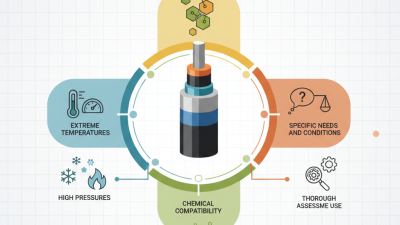
A chemical hose normally uses three layers: an inner tube that contacts the chemical, reinforcement that provides pressure and flexibility, and an outer cover that protects against abrasion, weather, and mechanical damage. The chart shows representative maximum continuous temperature ratings for common tube materials. Actual service limits depend on the chemical concentration, pressure, exposure time, and hose construction.
A chemical hose transfers acids, solvents, cleaners, and other aggressive fluids between equipment. Its inner tube must resist the specific chemical, while reinforcement handles pressure, movement, and vacuum conditions. The outer cover protects against abrasion, sunlight, and accidental contact.
Chemical compatibility is never based on the fluid name alone. Concentration, exposure time, flow speed, and temperature can change the result.
Temperature deserves special attention. A hose rated for a chemical at 20°C may perform differently at 100°C. Heat can soften elastomers, increase permeation, or weaken bonded layers. Always check the manufacturer’s compatibility chart for the exact chemical and concentration.
Confirm the maximum working temperature, not only the short-term temperature limit. A 100°C rating may apply to intermittent service, while continuous operation requires a lower limit. Pressure ratings can also fall as temperature rises. This detail is easy to miss.
Tips: Record the fluid, concentration, temperature, pressure, and transfer time before selecting a hose. Inspect fittings and seals as carefully as the hose itself. Look for swelling, cracking, discoloration, or a sticky surface. Stop service if these signs appear. Do not rely on smell alone; some failures begin internally. When data is uncertain, request a compatibility review or conduct controlled testing with qualified personnel. Compatibility charts are useful, but they are not promises. Conditions in real systems can be less forgiving.
A chemical hose is a flexible, reinforced line designed to move corrosive, toxic, flammable, or reactive liquids. Its inner tube must resist the specific chemical, while its cover protects against abrasion, weather, and heat. The wrong hose can soften, swell, or fail without much warning.
During transfer, operators connect the hose between storage tanks, process equipment, or transport containers. Loading often requires bonding, grounding, closed connections, and controlled flow rates. Unloading needs equal care, especially when trapped pressure remains inside the line. A small spill can spread quickly across a loading bay.
According to the U.S. EPA’s 2022 TRI National Analysis, facilities managed 29.1 billion pounds of production-related chemical waste. That figure shows the scale of chemical handling, although it does not measure hose failures directly.
Practical inspections should check couplings, gaskets, bends, and exposed reinforcement before every transfer. Pressure ratings must match both the pump and the chemical temperature. Operators should also confirm compatibility charts, hose length, and emergency isolation points.
Standards such as EN 12115 and ISO 18752 provide useful guidance, but compliance alone cannot replace field judgment. In real work, labels fade. Procedures are sometimes misunderstood. A hose may look sound while its inner tube has deteriorated.
That uncomfortable detail deserves attention. Each loading or unloading task should include a documented pre-use check, leak response plan, and replacement record.
What Is a Chemical Hose and How Is It Used?
A chemical hose transfers corrosive or reactive fluids between tanks, pumps, and process equipment. It may handle acids, alkalis, solvents, or cleaning solutions. Unlike a general-purpose hose, its tube and cover must resist chemical attack. Selection starts with the exact fluid, concentration, and operating conditions. pH helps, but pH alone is not enough. Check a verified compatibility chart and the fluid’s safety data.
Pressure ratings require careful attention. Match the hose to normal pressure and sudden surges. Pump starts can create sharp pressure spikes. Temperature also changes hose performance. Hot fluids can soften elastomers and reduce pressure capacity. Cold conditions may make the hose stiff or brittle. Leave a safe margin. It matters. Vacuum service needs separate confirmation because some hoses can collapse internally.
Bend radius is easy to overlook during installation. A hose forced around a tight corner may kink, flatten, or weaken its reinforcement. Measure the curve while the hose is operating, not only on the workbench. In field inspections, I have seen a chemically compatible hose fail because its routing was too tight. That detail was missed. Inspect couplings, abrasion, swelling, cracks, and discoloration before use. Replace uncertain assemblies rather than trusting appearance alone. A neat installation can still hide a compatibility mistake.
| Hose Lining or Material | Typical Chemical Service | pH Guidance | Typical Continuous Temperature Range | Typical Working Pressure Range | Typical Minimum Bend Radius | Selection Notes |
|---|---|---|---|---|---|---|
| PTFE | Concentrated acids, strong alkalis, solvents, oxidizing chemicals, and high-purity chemical transfer. | Commonly suitable across a very broad pH range, approximately pH 0–14, subject to chemical concentration, temperature, and permeation limits. | Approximately −60°C to +260°C | Often approximately 10–20 bar, depending on construction, diameter, and temperature. | Usually about 6–10 × hose inside diameter | Offers excellent chemical resistance, but it is less flexible than many elastomeric hoses. Check resistance to permeation, cyclic pressure, and elevated-temperature service. |
| UHMWPE | Many acids, alkalis, salts, alcohols, and aqueous chemical solutions. | Frequently suitable for acidic and alkaline media from approximately pH 1–14, depending strongly on concentration and temperature. | Approximately −40°C to +80°C | Often approximately 10–20 bar | Usually about 4–6 × hose inside diameter | Provides a useful balance of chemical resistance and flexibility. Confirm compatibility with aromatic solvents, halogenated solvents, and oxidizing agents before use. |
| EPDM | Water, steam, dilute acids, dilute alkalis, alcohols, and some polar chemicals. | Often suitable for acidic and alkaline fluids across a wide pH range when concentration and temperature are moderate. | Approximately −40°C to +120°C | Often approximately 10–20 bar | Usually about 4–6 × hose inside diameter | Generally not suitable for petroleum oils, mineral oils, fuels, or many hydrocarbon solvents. Verify the exact compound and chemical concentration. |
| Nitrile Rubber (NBR) | Oils, fuels, lubricants, hydraulic fluids, and selected non-polar chemicals. | pH alone is not a reliable selection criterion for NBR; verify the specific acid, alkali, solvent, and concentration. | Approximately −30°C to +100°C | Often approximately 10–25 bar | Usually about 4–6 × hose inside diameter | Good resistance to many petroleum-based fluids. It generally performs poorly with strong oxidizing chemicals, concentrated acids, and some polar solvents. |
| PVC | Water-based acids, alkalis, salts, and selected low-temperature chemical solutions. | Often suitable for many diluted acidic and alkaline solutions, but compatibility depends on concentration and plasticizer formulation. | Approximately −20°C to +60°C | Often approximately 5–15 bar | Usually about 6–10 × hose inside diameter | Cost-effective and lightweight for moderate service. Temperature, flexibility, and pressure capacity decrease as operating temperature rises. |
| Rubber with Chemical-Resistant Lining | Bulk transfer of acids, alkalis, solvents, and corrosive liquids in process plants and loading operations. | Select the lining according to the actual chemical, concentration, and operating temperature rather than pH alone. | Commonly approximately −30°C to +100°C | Often approximately 10–25 bar | Usually about 4–6 × hose inside diameter | Reinforcement may include textile layers, steel wire, or static-conductive elements. Confirm electrical continuity requirements for flammable or solvent service. |
| Composite Chemical Hose | Loading and unloading of fuels, solvents, acids, and other chemicals where low weight and flexibility are important. | pH suitability varies with the inner film and liner construction; consult the chemical-resistance chart for the exact medium. | Commonly approximately −30°C to +100°C | Often approximately 10–16 bar | Usually about 4–8 × hose inside diameter | Flexible and relatively lightweight. Inspect for abrasion, exposed reinforcement, kinking, and damage to the inner or outer layers. |
| Fluoroelastomer (FKM) | Many oils, fuels, hydrocarbons, and selected aggressive chemical fluids. | pH is insufficient for selection; verify compatibility with the exact acid, alkali, solvent, concentration, and temperature. | Approximately −20°C to +150°C | Often approximately 10–20 bar | Usually about 5–8 × hose inside diameter | Performs well at elevated temperatures and with many hydrocarbons. It is not universally resistant to hot water, steam, strong alkalis, or certain polar solvents. |
| Silicone | Selected aqueous chemicals, hot air, and high-purity applications where flexibility and temperature stability are required. | Confirm compatibility for each chemical; broad pH compatibility should not be assumed. | Approximately −60°C to +180°C | Often approximately 3–10 bar | Usually about 3–6 × hose inside diameter | Flexible over a wide temperature range, but it has limited resistance to abrasion, many oils, fuels, and some solvents. |
| Important selection rule: A chemical hose must be selected using the exact chemical name, concentration, temperature, pressure, flow rate, electrical requirements, hose size, and installation geometry. pH alone does not establish compatibility. The pressure and temperature values above are typical engineering ranges, not universal ratings; always confirm the manufacturer’s technical data and the applicable safety standard before service. | ||||||