How to Choose the Right Flexible Stainless Pipe for Your Needs?
Choosing the right flexible stainless pipe is crucial for various applications. The global flexible pipe market is projected to grow at a CAGR of 5.3% from 2021 to 2028, reflecting increasing demand across industries. Flexible stainless pipes are known for their versatility and durability. They are essential in industries like oil and gas, automotive, and food processing.
When selecting a flexible stainless pipe, consider factors like pipe size, pressure rating, and temperature tolerance. Quality is paramount. Inconsistent manufacturing practices can lead to failure in critical applications. Industry reports reveal that approximately 30% of pipes fail due to improper selection and installation. So, careful evaluation is necessary to avoid costly mistakes.
Experts recommend assessing your specific needs. From thermal expansion to chemical resistance, understanding these aspects can enhance performance. Ensure you are informed about your options in flexible stainless pipes. Rely on trusted manufacturers with proven track records. Investing time in research can lead to more reliable and effective choices for your projects.
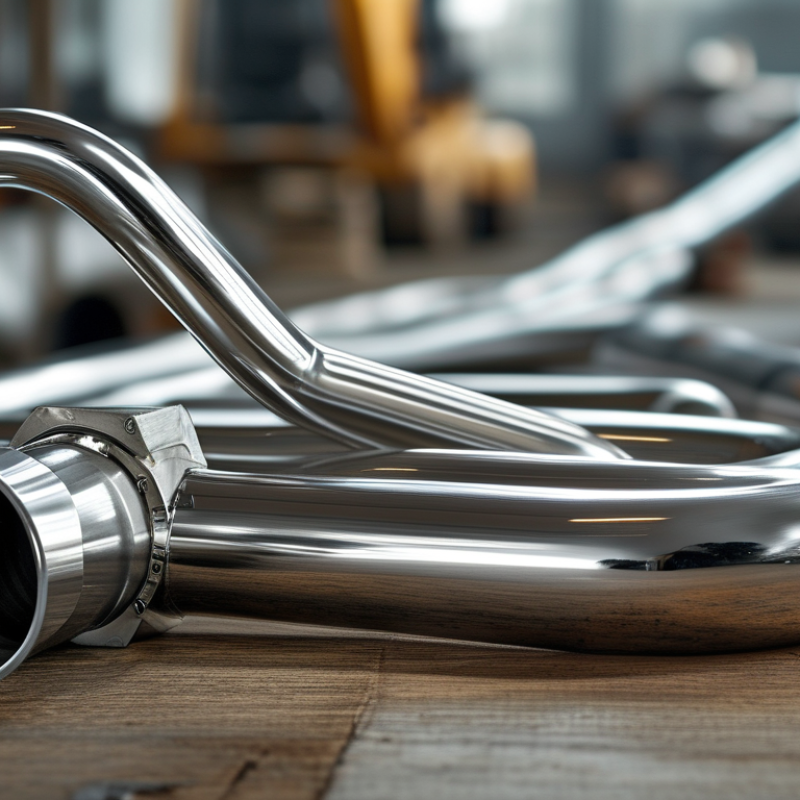
Factors to Consider When Choosing Flexible Stainless Pipes
Choosing the right flexible stainless pipe requires careful consideration of several factors. The material composition is essential. Most flexible stainless pipes use 304 or 316 stainless steel. The latter is ideal for corrosive environments, offering superior resistance. Data from industry reports indicate that 316 stainless steel pipes exhibit a 75% longer life span in marine applications compared to lower-grade options.
Another factor to examine is the thickness and diameter of the pipe. The wall thickness affects the pipe's ability to withstand pressure. For high-pressure environments, opt for thicker walls, which enhance durability. Industry research suggests that a 10% increase in wall thickness can improve pressure tolerance by up to 20%.
Tips: Test compatibility with your specific fluids. Ensure that the flexible stainless pipe can handle the chemical nature of the liquid. Also, think about the installation conditions. Evaluate bends and curves, as tight turns may require specialized designs. Balancing flexibility with structural integrity often requires a professional assessment. Consider consulting with industry experts to refine your choices, as they can provide valuable insights into challenging applications.
Factors to Consider When Choosing Flexible Stainless Pipes
Understanding Different Types of Flexible Stainless Pipes
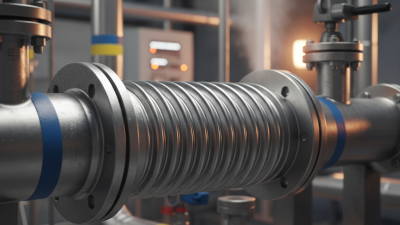
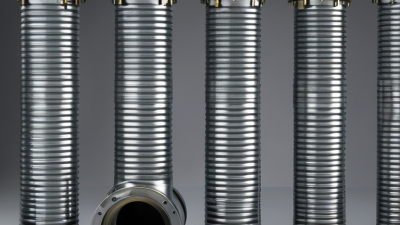
When selecting a flexible stainless pipe, understanding the various types is essential. Stainless steel pipes come in several forms, each tailored to specific applications. Common types include corrugated, braided, and helical pipes. Corrugated pipes offer maximum flexibility and are often used in applications where movement is involved. Braided pipes provide added durability, making them suitable for high-pressure applications.
Tips: Always consider the pressure and temperature ratings when choosing a pipe. Look for certifications that verify its quality. Focus on the specific needs of your project.
Different environments may require different pipe types. For instance, outdoor applications demand resistance to corrosion and UV effects. Conversely, indoor uses might prioritize space and adaptability. Keep in mind that some pipes may have limitations in bend radius and stretch.
Tips: Testing before committing is beneficial. Evaluate how the pipe reacts under real-world conditions. An imperfect pipe may reveal unknown strengths or weaknesses. Taking time to assess can save significant costs later.
Evaluating the Application Requirements for Your Flexible Pipe
When evaluating application requirements for flexible stainless pipes, start by identifying the operating environment. Consider factors like temperature, pressure, and fluid types. For example, high-pressure systems may require specific reinforcement to withstand stress. Think about possible vibrations and movements in the setup as well. These details can significantly affect the choice of material and design.
Next, assess the required flexibility and bend radius. Some installations require tight bends. In such cases, choosing a pipe with enhanced flexibility is crucial. Remember that this flexibility may come at a cost, such as reduced durability. Analyze whether the added flexibility justifies potential trade-offs in strength or lifespan.
Lastly, think about compatibility with existing systems. Ensure that the dimensions and fittings match other components perfectly. Misalignment can lead to leaks or failures over time. Check for any regulations or industry standards that apply to your project. These requirements often dictate the specifications and materials suitable for your application. Being thorough in this evaluation process can enhance long-term performance and reliability.
Assessing Material Specifications and Durability Standards
When evaluating flexible stainless pipes, understanding material specifications is crucial. Stainless steel comes in various grades, each with specific properties. Common grades include 304 and 316. Grade 304 offers good corrosion resistance, suitable for many applications. However, it might not withstand harsh environments. Grade 316, on the other hand, contains molybdenum, enhancing its resistance to salt and acidic conditions.
Durability standards are vital when selecting pipes for long-term use. Assess whether the pipes can handle high pressure and temperature. Look for certifications like ASTM or ISO for assurance. A pipe rated for high pressure might not work well in extreme temperatures, leading to potential failure. Consider factors like flexibility. Some pipes may bend easily but lack strength. A balance between flexibility and durability is essential.
Reflect on your specific needs. A pipe that seems ideal may not be the best choice in practice. Redundant options can complicate decision-making. Hence, trialing different pipes in real applications may reveal unexpected issues. Test the materials in conditions that mimic their intended use. This hands-on approach can uncover hidden weaknesses.
How to Choose the Right Flexible Stainless Pipe for Your Needs? - Assessing Material Specifications and Durability Standards
| Pipe Diameter (inches) |
Material Grade |
Pressure Rating (PSI) |
Temperature Range (°F) |
Corrosion Resistance |
| 1 |
304 Stainless Steel |
1500 |
-50 to 800 |
Good |
| 1.5 |
316 Stainless Steel |
2500 |
-60 to 900 |
Excellent |
| 2 |
Duplex Stainless Steel |
3000 |
-40 to 600 |
Very Good |
| 2.5 |
440C Stainless Steel |
2000 |
-40 to 800 |
Moderate |
The Importance of Sizing and Compatibility in Pipe Selection
When selecting a flexible stainless pipe, sizing and compatibility are crucial. According to industry data, nearly 30% of pipe failures occur due to incorrect sizing. Choosing the right diameter, length, and wall thickness ensures optimal flow rates and pressure handling. Mismatched sizes can lead to leaks, increased wear, and even system failures.
Compatibility with existing materials and applications is equally important. Stainless steel interacts differently with various chemicals and temperatures. A report by the American Society for Testing and Materials (ASTM) emphasizes understanding corrosion resistance ratings to prevent long-term damage. Ensure the selected pipe material matches both the chemical composition and operating environment to maintain reliability.
Tips: Always consult with industry professionals or use detailed sizing charts. Verify the compatibility of different materials before finalizing your choice. Remember to consider future expansion needs, as system requirements may change over time. Taking these steps can enhance system durability and performance significantly.