How to Choose the Best Chemical Transfer Hose for Your Needs?
Choosing the right Chemical Transfer Hose is crucial for various industries. According to a report by MarketsandMarkets, the chemical transfer hose market is expected to grow to USD 550 million by 2024. This growth reflects an increasing need for safe and efficient transfer of chemicals across sectors such as manufacturing, oil and gas, and agriculture.
When selecting a Chemical Transfer Hose, it is essential to consider material compatibility. Different chemicals require hoses made from specific materials to prevent chemical degradation. For instance, hoses made of EPDM or PTFE are often preferred due to their resistance to a wide range of chemicals. However, mismatching a hose with its intended chemical can lead to leaks or failures, risking safety and compliance.
Moreover, understanding the operational environment is vital. Factors like temperature, pressure, and hose flexibility will impact the hose's performance. Many users overlook these details, which can lead to costly mistakes. Therefore, thorough research and expert consultation are recommended to ensure the selected Chemical Transfer Hose meets all necessary standards and requirements, ensuring longevity and safety in chemical handling.
Understanding Chemical Transfer Hose Types and Applications
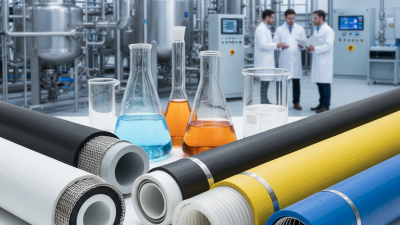
When selecting a chemical transfer hose, understanding its types and applications is crucial. Chemical transfer hoses are designed to handle various substances, including acids, solvents, and oils. The materials used in these hoses can vary significantly, impacting their performance and durability in specific environments.
For instance, rubber hoses are often more flexible, making them easier to maneuver. However, they may not be suitable for certain aggressive chemicals. In contrast, Teflon hoses resist a broader range of corrosive substances but can be less flexible. When making a decision, consider the specific chemicals you'll be transporting. Additionally, temperature and pressure ratings are vital factors. Each type of hose has its own limits, and exceeding them can lead to hazardous situations.
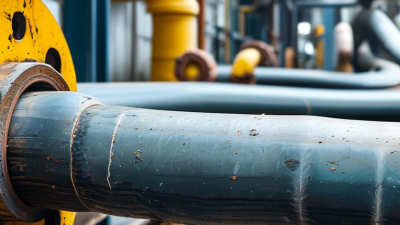
Proper maintenance and regular inspections are essential for ensuring the longevity of your chemical transfer hose. Even with the best products, wear and tear from usage can create issues. Signs of damage may be subtle, so routine checks are imperative. Avoid assuming that hoses will remain in perfect condition; proactive measures can prevent serious incidents. Consider how often you'll be using the hose and under what conditions to choose the best option for your needs.
Key Factors for Selecting the Right Material for Your Hose
Choosing the right material for a chemical transfer hose is crucial. Each type of hose material offers specific benefits and limitations. For instance, rubber hoses are flexible and durable but may not withstand harsh chemicals. On the other hand, thermoplastic hoses can handle a wider range of chemicals but might lack flexibility.
When selecting a material, consider the chemicals you’ll be transferring. Some chemicals can cause degradation in certain materials. Temperature and pressure requirements also play a role. For high-temperature liquids, you need a hose that can withstand heat without losing its integrity.
Tips: Always check the chemical compatibility charts before making a choice. This can help avoid costly mistakes and ensure safety. Regularly inspect the hoses for any signs of wear or damage. A small crack can lead to big problems if unnoticed. Also, test the hose in a controlled environment before full-scale use.
Evaluating Pressure Ratings and Temperature Tolerances
When selecting a chemical transfer hose, understanding its pressure ratings and temperature tolerances is crucial. Pressure ratings determine how much pressure the hose can handle without bursting. Industry standards often set these ratings according to rigorous testing protocols. For instance, a pressure rating of 150 psi indicates that the hose can safely operate up to that level.
Temperature tolerances are equally important. Chemical hoses need to sustain both high and low temperatures depending on the substances being transferred. Extreme temperatures can cause materials to degrade, leading to leaks. Research indicates many hoses can endure temperatures from -40°F to 250°F. However, not all hoses are designed for all chemicals. Proper matching prevents premature failure.
In practice, the actual conditions may differ from specifications. For example, a hose rated for high temperatures might falter if exposed to fluctuating conditions. User experiences reveal that ignoring fluid compatibility can lead to unforeseen failures. Always consider both the pressure and temperature ratings in context with your specific chemical needs. Use thorough evaluations to ensure safety and longevity in your applications.
How to Choose the Best Chemical Transfer Hose for Your Needs? - Evaluating Pressure Ratings and Temperature Tolerances
| Hose Material |
Pressure Rating (psi) |
Temperature Tolerance (°F) |
Chemical Compatibility |
Applications |
| EPDM Rubber |
150 |
-20 to 180 |
Acids, Bases |
Chemical Processing |
| Polyurethane |
300 |
-50 to 200 |
Hydrocarbons, Ozone |
Oil Transfer |
| PVC |
100 |
-10 to 140 |
Salts, Mild Acids |
Water Transfer |
| PTFE |
400 |
-70 to 500 |
Most Chemicals |
Pharmaceuticals, Food |
| Silicone |
150 |
-67 to 400 |
Food, Beverages |
Medical, Food Processing |
Assessing Hose Diameter for Optimal Flow and Efficiency
When selecting a chemical transfer hose, assessing the hose diameter is crucial. A hose that is too small may hinder flow rates. This can lead to inefficiencies in operations. For instance, narrow hoses can increase pressure, which may damage the hose or the equipment. It's critical to balance diameter with the specific requirements of your application.
Consider the materials being transferred. Different chemicals require specific flow rates for safe and efficient movement. You might find that a standard diameter works for most liquids. However, for more viscous substances, a larger diameter may be necessary. It's essential to measure and calculate the optimal size for your setup. Testing different diameters can highlight inefficiencies that might not be obvious at first glance.
Some users overlook the importance of diameter. This can result in unnecessary wear and tear on both the hose and pumps. Regular assessment of flow performance is necessary. Adjustments based on observed outcomes can enhance overall system efficiency. Keep an eye on performance metrics to gauge effectiveness. Ultimately, informed choices lead to better operational outcomes.
Considering Regulatory Compliance and Safety Standards
When selecting a chemical transfer hose, it's crucial to consider regulatory compliance and safety standards. Many industries face strict regulations, particularly in hazardous material handling. The American National Standards Institute (ANSI) emphasizes meeting industry standards to ensure safety.
The right hose must comply with regulations from agencies like OSHA and EPA. According to industry reports, compliance failures can lead to fines exceeding $100,000. Ensuring your hose meets these requirements protects not only your business but also your workers and the environment.
Furthermore, material selection plays a vital role in safety. For instance, materials need to withstand chemical corrosiveness. A recent study showed that 30% of hose failures resulted from inappropriate material choice. This statistic highlights the need for careful analysis of chemicals being transported. A thorough assessment can prevent accidents that can have devastating outcomes. Always prioritize safety standards in your selection process.