How to Choose the Right Bellow Compensator for Your Needs?
Selecting the right Bellow Compensator can significantly impact your project's success. These components absorb thermal expansion and vibrations. Choosing wisely ensures efficiency and longevity.
Understanding your specific needs is crucial. Different applications require different specifications. Factors such as temperature, pressure, and movement should influence your choice. For instance, a high-temperature environment demands a specialized compensator. However, not everyone considers these essential details.
Many may overlook expert advice. Relying solely on standard options can lead to suboptimal performance. Engaging with professionals in the field enhances decision-making skills. Manufacturers offer various designs, materials, and dimensions. Taking the time to analyze these factors can provide better solutions. Remember, a poorly chosen Bellow Compensator can lead to costly repairs and downtime. Prioritize informed choices to foster lasting efficiency and reliability.
Understanding the Function of Bellow Compensators in Systems
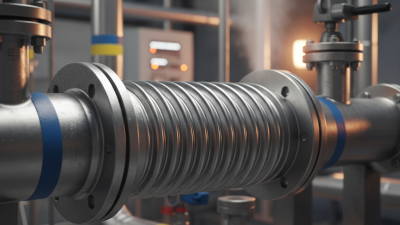
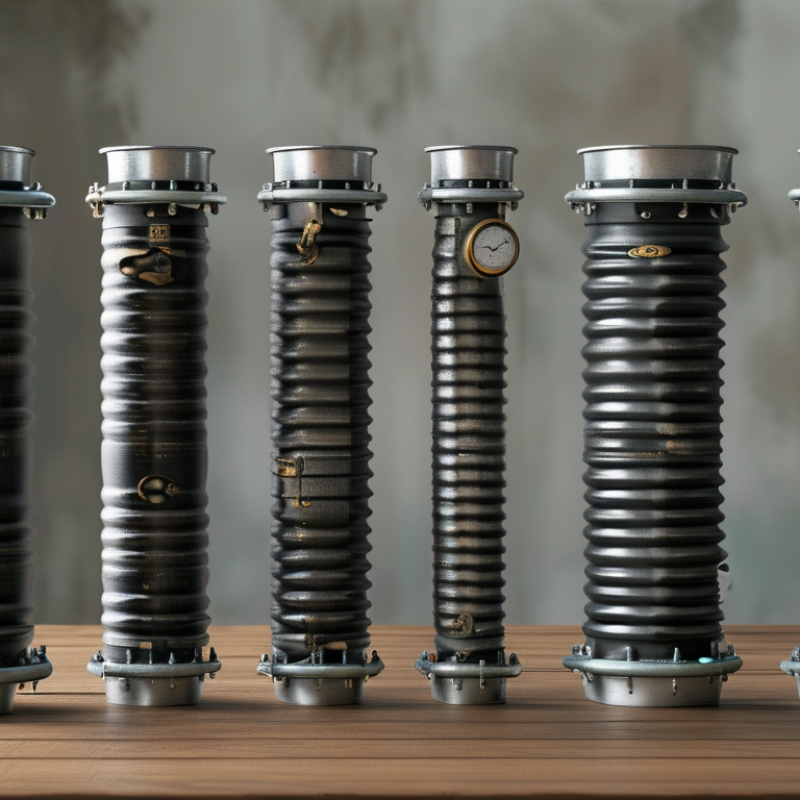
Bellow compensators play a crucial role in various systems. They help manage movement and absorb shock in piping systems. This functionality is vital for preventing stress and wear in installations. Proper selection of a bellow compensator directly affects the system's longevity and reliability.
Understanding how these components work is essential. Bellow compensators can handle thermal expansion, vibration, and misalignment. They are designed from materials that can withstand harsh environments. The right choice depends on factors like pressure, temperature, and fluid type. Each application is unique, which means there isn't a one-size-fits-all solution.
Installation practices also influence performance. Poorly installed compensators may fail early. It's crucial to assess both operating conditions and environmental factors. Regular inspections can uncover potential issues before they escalate. Thus, refining your choice of bellow compensators requires both expertise and careful evaluation. Make decisions based on real-world applications and not just theoretical knowledge.
Identifying the Key Factors for Choosing a Bellow Compensator
Selecting the right bellow compensator requires careful consideration of various factors. Understanding your application's specific needs is essential. Different environments and conditions demand unique compensators, whether for thermal expansion or vibration absorption. According to industry reports, over 30% of mechanical failures are linked to inappropriate compensator choices. Selecting the wrong material or design can result in premature wear and costly downtime.
When evaluating options, consider the operating temperature and pressure. For instance, high-temperature applications may require enhanced materials. Don't overlook the medium flowing through the compensator. Chemical compatibility plays a vital role in preventing degradation. Regular maintenance checks should also align with these factors, ensuring long-term reliability.
Tip: Always consult industry guidelines for material specifications. This practice can help avoid mistakes born from insufficient knowledge.
Assessing installation conditions is another critical element. Space constraints may limit your choices. Make sure to involve engineers or experts during selection. They can provide insights based on experience. A well-chosen bellow compensator contributes significantly to
system performance and longevity.
Tip: Explore various designs and configurations to find the best fit for your system’s requirements.
Evaluating Material Options for Bellow Compensators
When selecting a bellow compensator, the choice of material is critical. Different applications demand different characteristics from the material. For instance, rubber is often chosen for its flexibility and resistance to weather. However, it may not withstand high temperatures or certain chemicals. If your environment involves extremes, considering metal options like stainless steel could be wise. These materials offer greater durability but at the cost of flexibility.
Another essential factor is the intended pressure and movement range. Each material behaves uniquely under varying conditions. For low-pressure applications, a basic rubber bellow may suffice. In contrast, high-pressure situations may only be safely managed with heavy-duty metal bellows. It’s vital to analyze the specific conditions your compensator will face to avoid premature failures.
Reflection on these choices is necessary. Sometimes, the most common materials won't fit your unique requirements. Custom solutions may be required, even if they are not the first option. Balancing cost with the right material properties ensures long-term reliability and performance. Taking the time to evaluate these aspects will lead to better decision-making in choosing the right bellow compensator.
Evaluating Material Options for Bellow Compensators
Assessing Size and Design Considerations for Bellow Compensators
When selecting a bellow compensator, size and design are crucial factors. The dimensions of the compensator should correspond to the piping system. Too large or too small a compensator can lead to inefficiencies.
Measure the diameter and the length accurately. A miscalculation can result in leaks or excessive wear. Consider the operating environment as well. High temperatures and pressure can impact the materials used.
Design aspects also play a significant role. The configuration of the bellow should match the movement requirements of the system. Different styles, like convoluted or plain, can affect flexibility and stress distribution.
It’s essential to assess how the compensator will interact with adjacent components. Often, overlooked factors can cause hidden problems.
Lastly, consult with industry professionals when in doubt.
Their experience can guide your choices. They may spot issues you overlook.
Balancing size and design is not straightforward. Each decision shapes the overall efficiency of the system. Keep an open mind; what works in theory may need adjustments in practice.
Applications of Bellow Compensators in Various Industries
Bellow compensators are essential in various industries. They effectively absorb thermal expansion and vibration. This makes them invaluable in sectors like oil and gas, chemical processing, and power generation. These industries face unique challenges regarding pipe movement and system stress. Choosing the right bellow compensator ensures safety and efficiency.
In power generation, bellow compensators handle temperature changes. High-pressure steam systems often require reliable components. Proper selection prevents catastrophic failures. Your choice should reflect the specific needs of the system and its operating conditions.
Tips: Regularly assess the environmental factors where your compensator will be used. Extreme temperatures and corrosive substances can affect performance. Ensure that you are familiar with the material options available. Choosing the right material can enhance durability.
In chemical processing, process fluids can be harsh. Compatibility with these fluids is crucial for longevity. Some compensators may not withstand specific chemicals. Be prepared for potential issues if the wrong component is selected. It's important to consult with experienced professionals for best results.
How to Choose the Right Bellow Compensator for Your Needs?
| Application Industry |
Type of Bellow Compensator |
Operating Temperature (°C) |
Pressure Rating (bar) |
Key Considerations |
| Chemical Processing |
Stainless Steel |
-50 to 400 |
10 |
Corrosion Resistance |
| Oil & Gas |
Graphite |
-20 to 1000 |
20 |
High Temperature Capability |
| Power Generation |
Metallic |
-30 to 600 |
15 |
Fatigue Resistance |
| Food Industry |
PTFE |
-10 to 200 |
5 |
Hygienic Standards |
| Aerospace |
Elastomeric |
-50 to 150 |
30 |
Weight Savings |