Why Choose Ceramic Lined Hose for Your Industrial Needs?
In the realm of industrial applications, the choice of equipment is critical. One often overlooked option is the Ceramic Lined Hose. Its unique properties offer significant advantages over traditional hoses. The durability of this material enhances its performance in demanding environments.
These hoses are designed to handle abrasive materials with ease. Their ceramic lining significantly reduces wear and tear. This feature leads to lower maintenance costs and longer service life. Industries dealing with harsh substances can greatly benefit from this innovation. However, not all applications may require such a robust solution. It's essential to evaluate your specific needs carefully.
The Ceramic Lined Hose is not without its challenges. Understanding the limitations and potential drawbacks is crucial. This awareness can guide you in making informed choices. By discerning your requirements, you can unlock the full potential of this advanced hose technology. Embracing this material could transform your operational efficiency.
Benefits of Ceramic Lined Hoses in Abrasive Material Handling
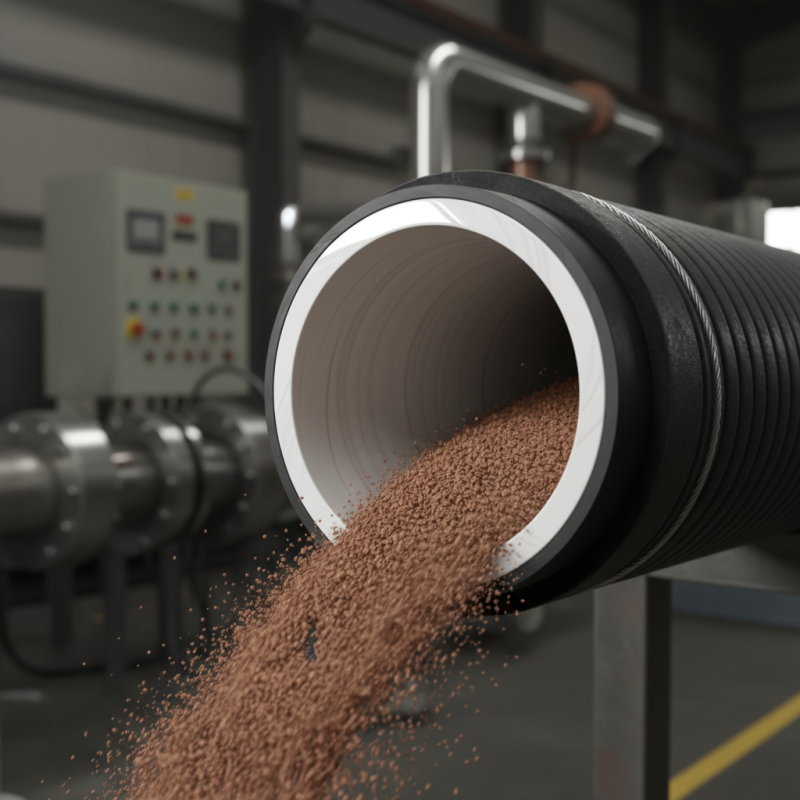
Ceramic lined hoses have become essential in industries handling abrasive materials. These hoses offer remarkable resistance against wear and tear, significantly extending service life. According to a report by the American Society of Mechanical Engineers, traditional rubber hoses can face severe degradation within months when conveying harsh materials. In contrast, ceramic lined hoses can last up to five times longer under the same conditions.
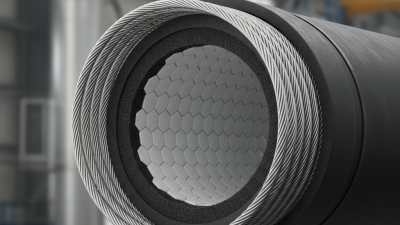
The structure of ceramic lined hoses enhances their performance. They feature a hard, ceramic inner layer that effectively withstands impact and abrasion. In a study conducted by the Society of Mining Engineers, ceramic hoses showed a 75% reduction in wear rates compared to standard rubber hoses. This durability translates to less downtime and reduced maintenance costs. Companies can benefit financially, as fewer replacements and repairs mean more resources for production.
Despite their advantages, it's critical to consider the costs involved. Ceramic lined hoses generally have a higher initial price tag than their rubber counterparts. This may deter some businesses from switching. However, evaluating the long-term benefits can lead to a more informed decision. Investing in these hoses can result in significant savings and improved efficiency in the long run, especially in demanding environments.
Benefits of Ceramic Lined Hoses in Abrasive Material Handling
Comparison of Ceramic Lined Hoses and Traditional Hose Materials
Ceramic lined hoses offer significant advantages over traditional hose materials, particularly in high-abrasion environments. Conventional hoses often wear out quickly. They lack durability when handling abrasive materials such as sand or gravel. In contrast, ceramic lined hoses are made with a high level of abrasion resistance. Data from industry reports indicate that ceramic lined hoses can last up to five times longer than standard rubber or polyurethane hoses in similar conditions.
Traditional hoses may fail at critical connection points or bend areas. This is where ceramic lining shines, providing greater structural integrity and reducing the likelihood of leaks. Evidence shows that the failure rate of traditional hoses can be as high as 30% in demanding applications. This leads to increased downtime and repair costs. On the other hand, ceramic lined options maintain reliability over extended periods. Many users report lower maintenance requirements and reduced operational interruptions.
Despite their advantages, ceramic lined hoses can be heavier and more expensive initially. This can cause hesitation from some buyers. The upfront investment is often offset by long-term savings on replacements and repairs. When evaluating performance metrics, it is crucial to consider the specific application and material compatibility to ensure optimal functionality.
Why Choose Ceramic Lined Hose for Your Industrial Needs? - Comparison of Ceramic Lined Hoses and Traditional Hose Materials
| Property |
Ceramic Lined Hose |
Traditional Hose Materials |
| Wear Resistance |
Excellent |
Poor to Moderate |
| Temperature Resistance |
High |
Moderate |
| Flexibility |
Low |
High |
| Cost |
Moderate to High |
Low |
| Chemical Resistance |
Excellent |
Good to Poor |
| Lifespan |
Longer |
Shorter |
Performance Metrics: Durability and Longevity of Ceramic Lined Hoses
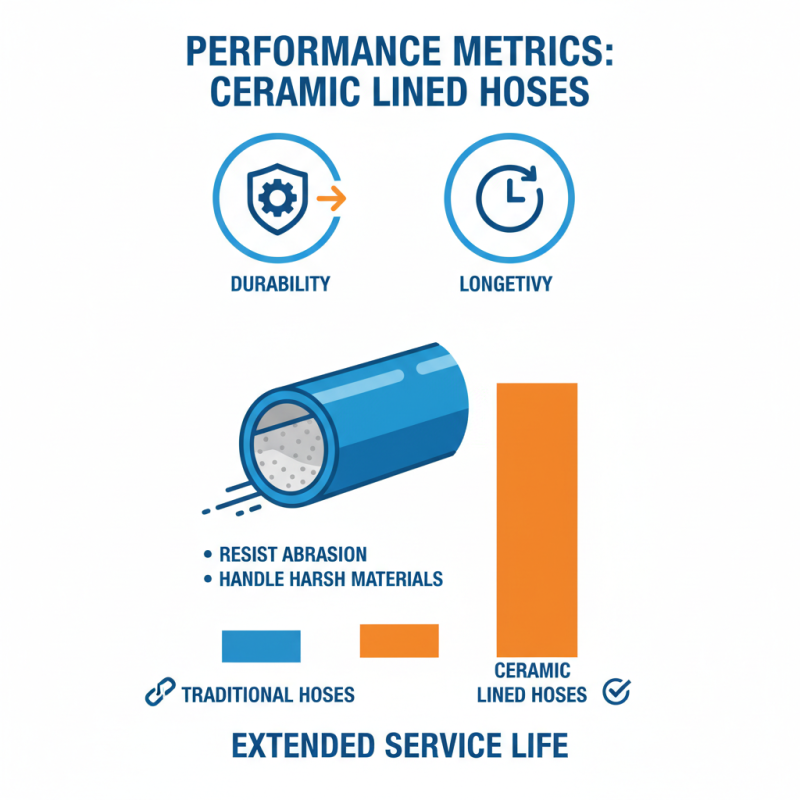
Ceramic lined hoses are gaining attention for their impressive performance metrics. Their durability is one of the standout features. These hoses resist abrasions, which is vital in many industrial applications. They can handle harsh materials without degrading. This characteristic leads to longer service life compared to traditional hoses.
Longevity is another essential factor. Ceramic materials withstand high temperatures and pressures effectively. This resilience means fewer replacements and reduced downtime. Operators might find that while the initial investment is higher, the long-term savings are significant. However, assessing the specific needs is crucial.
Not all applications may benefit from ceramic lined hoses. In some cases, flexibility is required, which these hoses might lack. Consider the operational environment before deciding. It’s important to weigh both benefits and drawbacks. Each choice holds potential risks and rewards. Understanding these variables ensures better decisions for industrial needs.
Cost-Effectiveness: Analyzing Long-Term Savings with Ceramic Solutions
Ceramic lined hoses offer significant long-term savings for industrial applications. These hoses are designed to withstand harsh environments and abrasive materials. The durability of ceramic materials ensures that hoses last longer than traditional options. This longevity translates to less frequent replacements and lower maintenance costs.
Investing in ceramic solutions can lead to noteworthy cost-effectiveness. While the initial investment may be higher, consider decreased downtime due to fewer failures. Operational efficiency improves when equipment runs smoothly. Moreover, ceramic hoses often require minimal upkeep, which further decreases costs over time.
However, it's essential to weigh potential drawbacks. In some cases, the initial resistance to installation can pose challenges. Training staff on handling these specialized hoses is crucial. Understanding the properties of ceramic materials can help mitigate these issues and maximize overall efficiency. With proper use and knowledge, the benefits of ceramic lined hoses become clear.
Industry Applications: Key Sectors Benefiting from Ceramic Lined Hoses
Ceramic lined hoses are increasingly vital in various industrial applications. Their unique properties make them ideal for sectors facing wear and corrosion challenges. According to a recent industry report, about 70% of manufacturing sectors experience significant wear on traditional hoses. This wear leads to operational downtime and increased replacement costs. Companies are now turning to ceramic lined hoses for their durability and longevity.
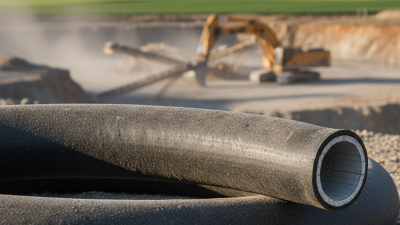
In the mining industry, ceramic lined hoses excel in transporting abrasive materials. They can withstand extreme conditions and reduce the risk of costly leaks. The chemical processing sector also benefits greatly. Here, these hoses resist corrosive substances, ensuring safe and efficient operations. This translates into fewer maintenance interventions, which is crucial in maximizing productivity.
Tip: When selecting ceramic lined hoses, ensure they match your specific material handling requirements. Not all ceramic lined products are created equal. Regularly inspect hoses for any signs of wear or damage. This proactive approach can prevent unexpected shutdowns. Investing in high-quality hoses pays off in the long run. While their initial cost may seem steep, the reduced maintenance and increased lifespan justify this expense.