Leave Your Message
*Name Cannot be empty!
* Enter product details such as size, color,materials etc. and other specific requirements to receive an accurate quote. Cannot be empty

What Is a Conveyor Belt Cleaner and How Does It Work?

A conveyor may look simple: a dark belt carries ore, grain, or crushed stone beneath a transfer chute. Yet a thin layer of material can cling to the return side after discharge. This carryback falls onto floors, rollers, and walkways, creating extra cleanup and potentially disrupting operation. A Conveyor Belt Cleaner is designed to remove that residue while the belt is moving. The detail matters.

CEMA’s Belt Conveyors for Bulk Materials, 7th edition, provides engineering guidance on belt systems and material handling. Martin Engineering’s Foundations training reference also describes practical belt-cleaning arrangements and maintenance considerations. These sources emphasize a useful point: cleaning performance depends on more than blade pressure. Belt speed, material moisture, abrasiveness, splice condition, and installation geometry all affect the result. There is no universal setting.

Most systems use a primary cleaner near the head pulley, where bulk material leaves the belt. A secondary cleaner may remove finer residue farther along the return run. The blade contacts the belt surface, while tensioning hardware helps maintain contact as the blade wears. Too little pressure leaves carryback behind. Too much can accelerate wear or damage the belt. Small adjustments matter.

A cleaner is not a cure-all. Poor tracking, worn pulleys, or unsuitable blade material can undermine it. Inspect the belt, check the contact line, and observe where residue reappears. The right arrangement is usually found through measured testing, not guesswork alone. These principles shape how a Conveyor Belt Cleaner works and why selection, setup, and routine inspection belong together.
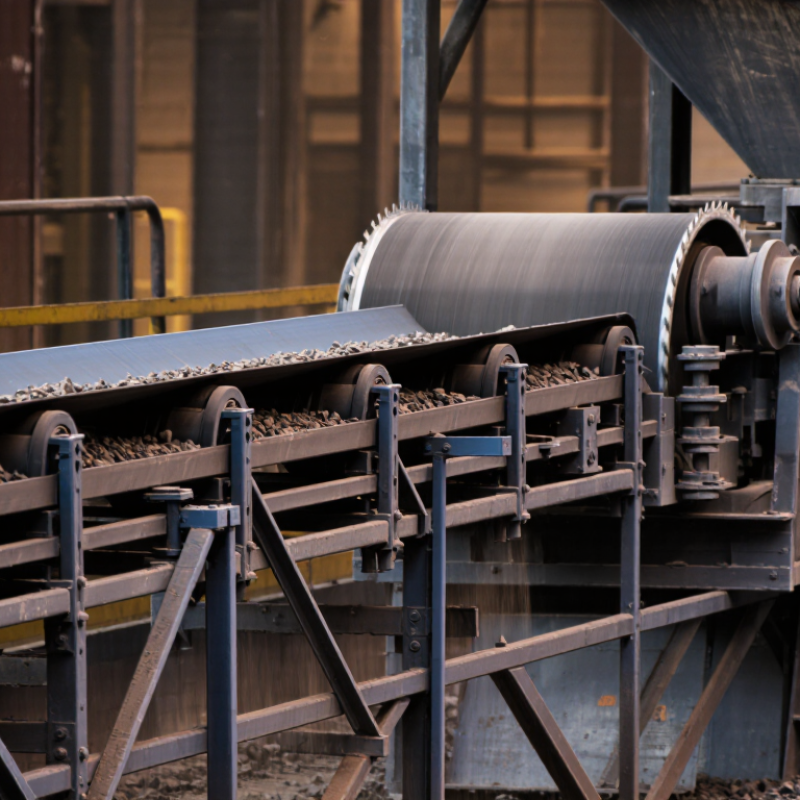
What Is a Conveyor Belt Cleaner and How Does It Work?

What Is a Conveyor Belt Cleaner?

A conveyor belt cleaner is a mechanical device that removes material clinging to a belt after it passes the discharge point. This leftover material is called carryback. It may look like a thin dusting, or fall in wet clumps beneath the conveyor. Without effective cleaning, buildup can collect on rollers, floors, and return belts.

Most cleaners use a blade or brush that contacts the belt surface. A primary cleaner is commonly positioned near the head pulley, where bulk material leaves the belt. A secondary cleaner may sit farther along the return side to remove finer residue. Contact pressure matters: too little can leave carryback, while too much can accelerate wear. The right setup depends on belt speed, material texture, moisture, and operating conditions.

Not a perfect fix. A cleaner cannot correct every tracking or spillage problem, and it may need frequent inspection in abrasive service. Worn blades, uneven contact, or changing material can reduce performance. Operators often look for residue patterns and check components during planned maintenance. A belt that appears clean from a distance may still carry a fine film, so performance is better judged by what accumulates below the conveyor and how consistently the cleaner works.
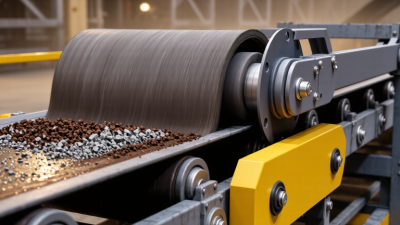
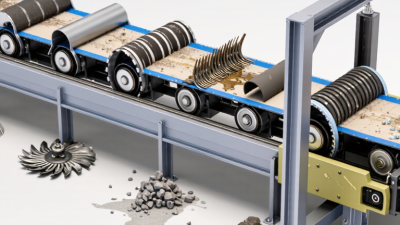
Why Conveyor Belts Need Continuous Cleaning

Why Conveyor Belts Need Continuous Cleaning

A conveyor belt rarely carries only the intended material. Fine dust, damp soil, and sticky residue can cling to its surface after discharge. This carryback may fall beneath the return run, forming piles around rollers and walkways. Small deposits can become a daily maintenance problem.

Continuous cleaning helps limit buildup before it hardens or spreads. A belt cleaner, mounted near the discharge point or along the return path, presses a scraping blade against the moving belt. The blade removes leftover material, which can then be directed into a collection area. It is not a perfect seal. Blade pressure, wear, belt condition, and material type all affect results.

The benefits are practical. Cleaner belts are less likely to shed material onto floors, interfere with tracking, or add uneven load to components. Less cleanup around the conveyor can also reduce exposure to slippery spills and airborne dust. Still, cleaning equipment needs attention. A worn blade may leave a narrow stripe of residue, while excessive pressure can wear the belt cover. Operators should inspect the cleaner and belt regularly, especially after changes in moisture or material. That check is easy to postpone. It should not be.

What Is a Conveyor Belt Cleaner and How Does It Work? – Why Conveyor Belts Need Continuous Cleaning

Cleaner or Component Typical Location How It Works Main Purpose Practical Considerations
Primary belt scraper At or near the head pulley, where the belt discharges material A blade contacts the belt and removes much of the material that remains after discharge. Reduce carryback before it travels around the return side of the belt. Blade material and contact pressure should suit the belt surface and conveyed material. Inspect for wear and correct alignment.
Secondary belt cleaner Usually downstream of the head pulley on the return belt A separate scraping blade removes residual fines or film left by the primary cleaner. Improve cleaning where one scraper does not remove enough carryback. Check that the blade is compatible with the belt and that its mounting allows appropriate contact without excessive wear.
V-plow or return-side plow On the return strand, ahead of a tail pulley or other vulnerable pulley A shaped deflector pushes loose material off the belt before it reaches the pulley. Help keep stray material from becoming trapped between the belt and a pulley. A plow handles loose material; it is not a substitute for a head-pulley scraper that removes adhered carryback.
Brush cleaner At a suitable point on the belt path, often on the return side Rotating or fixed bristles sweep loose particles from the belt surface. Remove material that may be difficult for a conventional blade to reach, depending on the belt and application. Effectiveness depends on bristle condition, belt texture, material, and correct positioning. Brushes need regular inspection.
Tensioning and mounting system Supports and positions the cleaner against the belt Maintains the cleaner’s intended position and contact as the blade or belt wears, according to the system design. Keep cleaning action consistent and help prevent uneven contact. Follow the equipment maker’s setup instructions; excessive pressure can accelerate wear or damage the belt.
Continuous cleaning and inspection Throughout normal conveyor operation, with scheduled checks during safe maintenance Cleaners remove carryback as the belt circulates; inspections identify worn blades, buildup, misalignment, or changes in contact. Limit material buildup, spillage, and cleanup needs while supporting reliable belt operation. Cleaning does not eliminate the need for housekeeping or maintenance. Follow site safety procedures and isolate equipment before hands-on work.

Note: Cleaner selection and setup depend on belt construction, pulley arrangement, material characteristics, operating conditions, and the conveyor manufacturer’s guidance.

How Conveyor Belt Cleaners Remove Material

A conveyor belt cleaner removes carryback: material that stays on the belt after it passes the discharge pulley. A primary cleaner sits near the head pulley, where a blade presses against the belt’s surface. As the belt moves, the blade scrapes off stuck residue. The loosened material drops into a chute or collection area instead of building up beneath the conveyor.

For finer cleaning, a secondary cleaner may be installed farther along the return belt. Its blade catches particles that the primary cleaner misses, including damp fines that cling to the surface. Correct blade pressure matters. Too little pressure leaves residue; too much can wear the belt or blade faster. In practice, the belt may not come away perfectly clean, especially when material is wet or sticky. That deserves attention, not just a tighter blade.

Tips: Check the cleaner after installation and during routine inspections. Look for uneven blade wear, loose fasteners, and material collecting near the frame. Match the blade to the belt surface and operating conditions. A small adjustment can help, but it is worth checking whether the cleaner’s position or the material itself is the real problem.

What Is a Conveyor Belt Cleaner and How Does It Work?

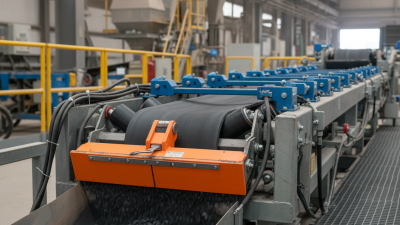
This schematic shows where a primary belt cleaner typically contacts the belt: on the return run, just after the head pulley. The contact band is illustrative, not measured operating data.

A belt cleaner uses a blade or other cleaning element pressed against the moving belt to remove material that remains after discharge. The removed material falls away, helping reduce carryback.

Main Types of Conveyor Belt Cleaning Systems

Conveyor belt cleaning systems remove carryback: material that sticks to the belt after it passes the discharge point. Primary cleaners sit against the belt near the head pulley, where they scrape off larger pieces. Secondary cleaners are installed farther along the return run and target finer residue. Used together, they can reduce buildup around rollers and limit material dropping onto the floor.

Other systems suit different jobs. Rotary brushes can sweep away dry, fine particles, especially when a scraper might damage a sensitive belt surface. Water-based cleaners rinse stubborn residue, but they need suitable drainage and belt materials. Belt ploughs are fitted on the return side to push stray material away before it reaches the tail pulley. No cleaner is perfect. In practice, installation can be less tidy than diagrams suggest, and wear or misalignment can leave streaks of carryback.

Tips: Match the cleaner to the material, belt speed, and operating conditions. Check blade contact and wear regularly, and follow the equipment maker’s maintenance instructions. A small gap can matter. Keep an eye on the discharge area after adjustments; visible residue may show that the setup needs another look.

How to Choose and Maintain a Belt Cleaner

What Is a Conveyor Belt Cleaner and How Does It Work?

A conveyor belt cleaner removes carryback from the belt’s surface after material discharge. It uses a blade, brush, or flexible contact element. The cleaner presses against the moving belt and directs residue toward the discharge area. This reduces spillage, dust, and buildup around pulleys. It also helps protect idlers and transfer structures from falling material.

How to Choose and Maintain a Belt Cleaner

Choose a cleaner according to belt width, speed, material, moisture, and temperature. Wet clay needs a different approach than dry aggregate. Check the belt splice and surface condition before selecting the blade pressure. Excessive pressure can damage the belt. Too little pressure leaves a dirty return run. In practical inspections, alignment often matters more than expensive equipment. Inspect the cleaner during each shift change. Look for uneven wear, loose fasteners, trapped rocks, and belt damage. Replace worn parts before cleaning performance drops noticeably. A perfect maintenance plan is unrealistic. Work areas change, and operators may miss small problems.

Tips: Keep a simple inspection record. Note the belt condition, cleaner position, and wear pattern. Cleaners should remain accessible for safe adjustment. Never adjust a moving belt. Follow site procedures and the equipment manufacturer’s instructions. If carryback suddenly increases, inspect the transfer point, belt tracking, and material moisture. The cleaner may not be the real cause.