2026 How to Choose the Best Chemical Resistant Hose for Your Needs?
When selecting the right Chemical Resistant Hose, understanding material compatibility is crucial. The global market for chemical hoses is projected to reach $1.7 billion by 2026, driven by increasing demand across various industries. According to a recent report, over 50% of businesses encounter issues due to improper hose selection, highlighting the need for informed choices.
A Chemical Resistant Hose is essential for industries handling aggressive substances. Improper hoses can lead to leaks and safety hazards. It's important to acknowledge that not all hoses are created equal. Factors like temperature and pressure ratings drastically affect your hose’s performance and durability.
Investing in a high-quality Chemical Resistant Hose can prevent costly downtime and ensure worker safety. However, many companies still face challenges in identifying the right specifications. The lack of expertise in hose selection can stem from inadequate knowledge of material properties. This calls for a thorough evaluation of options to enhance reliability and efficiency in operations.
Understanding Chemical Resistance: Key Factors to Consider
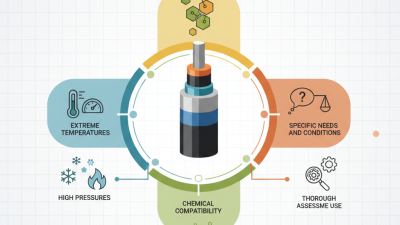
Choosing the right chemical resistant hose requires careful consideration of several key factors.
Chemical compatibility is essential. Different materials resist specific chemicals differently.
For instance, a recent study from the Chemical Resistance Database indicates that polyethylene
can withstand a range of acids but fails against many solvents. Understanding these material
properties is crucial for longevity and safety in your application.
Temperature tolerance is also important. Hoses often operate in extreme environments. According
to industry data, a high temperature can degrade materials quickly, affecting performance. For
example, rubber hoses may only withstand up to 150°F (65°C) before losing flexibility. Regular
assessments of environmental conditions are essential for reliability.
Lastly, pressure ratings cannot be ignored. The hose must handle the intended pressure without
failure. The American Society for Testing and Materials advises conducting pressure tests during
regular maintenance to ensure safety. It's easy to underestimate this aspect, but neglect can
lead to catastrophic results. Evaluating these factors thoroughly will help in selecting a hose
that meets your specific needs effectively.
Types of Chemical Resistant Hoses: Materials and Applications
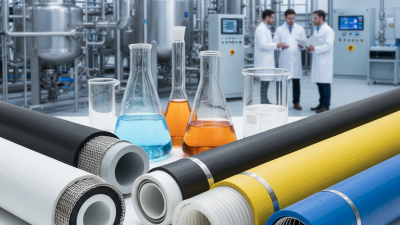
When selecting a chemical-resistant hose, understanding the materials and their applications is crucial. Common materials include PVC, Teflon, and rubber. Each has distinct properties that affect durability and flexibility. For instance, Teflon hoses resist a wide range of chemicals but may lack flexibility in low temperatures. In contrast, rubber offers better flexibility but may degrade faster under certain chemicals.
Industry reports highlight that 30% of hose failures stem from improper material selection. This underscores the importance of compatibility between the hose material and the specific chemicals being transported. For example, PVC hoses are suitable for many acids but may not withstand strong solvents.
Moreover, hoses are used in various sectors, including manufacturing and pharmaceuticals. Some industries require hoses to meet stringent safety standards. In these cases, understanding the specific applications helps in choosing the right hose. Regular inspection of hoses is essential to spot wear and potential issues before they worsen. A proactive approach can prevent downtime and ensure safety.
Evaluating Hose Specifications: Pressure Ratings and Temperature Limits
When selecting a chemical resistant hose, understanding pressure ratings and temperature limits is crucial. Pressure ratings indicate the maximum pressure the hose can handle. It's essential to match the hose's rating with your specific application. Overestimating the required pressure can lead to hose failure. Always consult manufacturer guidelines to prevent accidents.
Temperature limits are just as important. Hoses can degrade under extreme heat or cold. Choosing the wrong material can result in leaks or bursts. Consider the operating temperature of your fluids. Some materials tolerate high temperatures, while others excel in cold conditions. Pay attention to the environment where the hose will be used, as this significantly impacts its durability and performance.
Be aware that not all hoses react the same way to chemicals. Some may corrode over time. Testing and real-world evaluations can reveal issues that specifications might miss. Choose a hose that not only meets your requirements but also provides long-term reliability. Reflect on your needs and don’t hesitate to consult experts for tailored solutions. Making these considerations can save you time and money in the long run.
Maintenance Tips for Chemical Resistant Hoses: Ensuring Longevity
When it comes to chemical resistant hoses, regular maintenance is key to ensuring their longevity.
Start by inspecting the hose for any visible damage. Look for cracks, leaks, or worn areas.
Small issues can escalate quickly if not addressed. A careful visual inspection should be part of your routine.
Cleaning is equally important. Use appropriate solvents recommended for the hose material to remove any chemical residue.
Avoid harsh cleaning agents that could compromise the hose. Rinse thoroughly to prevent buildup of harmful substances.
Over time, neglecting these points can result in decreased performance and safety hazards.
Proper storage of chemical resistant hoses also matters. Keep them out of direct sunlight and extreme temperatures.
This can prolong their lifespan significantly. It's easy to overlook these details, but they can have serious implications.
Regularly assess your hoses to ensure they meet safety standards and functionality.
Common Mistakes to Avoid When Choosing a Chemical Resistant Hose
Choosing a chemical resistant hose requires careful thought. One common mistake is not matching the hose materials to the chemicals in use. Different materials react uniquely when in contact with various substances. For instance, a hose may be resistant to one chemical but degrade rapidly with another. Always research compatibility charts and conduct tests if necessary.
Another frequent error is neglecting the temperature range of the hose. High temperatures can weaken even the best materials. A hose rated for chemical resistance might fail if it’s exposed to heat beyond its limit. It’s essential to consider both the working environment and temperature fluctuations. Often, users overlook the importance of pressure ratings as well. Just because a hose is chemical resistant doesn’t mean it can handle high pressure.
Some users also forget about the diameter and length of the hose. This can impact flow rates and operational efficiency. If a hose is too long or narrow, it may cause pressure drops. Always measure and calculate your specific needs beforehand. Reflecting on these aspects can save time and prevent costly mistakes.