2026 Best Conveyor Belt Scraper Solutions for Global Buyers?
The right Conveyor Belt Scraper can significantly improve the efficiency of your operations. For businesses worldwide, maintaining clean conveyor systems is essential. A reliable scraper prevents material buildup, ensuring smooth operation and reducing downtime.
In recent years, the market for Conveyor Belt Scraper solutions has evolved. Buyers are confronted with a variety of options. Each solution offers different features and benefits. Choosing the right scraper requires careful consideration of materials, design, and compatibility. Mistakes here can lead to operational inefficiencies.
Understanding the best Conveyor Belt Scraper options can be daunting. Bad choices can lead to increased maintenance costs. It’s crucial to evaluate products from reputable suppliers. Researching product reviews and seeking expert opinions can provide valuable insights. This guide aims to equip buyers with essential knowledge. Empowering you to make informed decisions for your conveyor systems.
Types of Conveyor Belt Scrapers Available in 2026
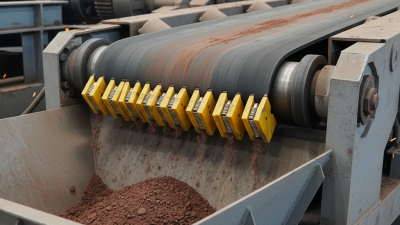
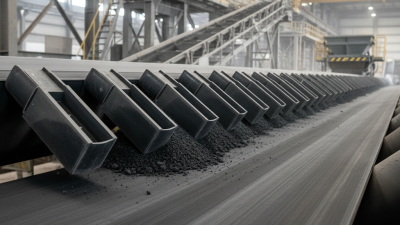
In 2026, the market for conveyor belt scrapers is diversifying. Different types of scrapers cater to various industries. For example, primary scrapers are vital for bulk material handling. They improve efficiency and extend the life of conveyor systems. Research shows that proper scraper maintenance can reduce operating costs by up to 20%.
Secondary scrapers play a key role in maintaining cleanliness. They effectively remove leftover material on belts. This helps in reducing material loss and contamination. According to industry reports, users experience a 15% decrease in downtime when utilizing effective secondary scraper solutions.
However, not all scrapers function equally across surfaces. The choice of material is crucial. For example, rubber or polyurethane scrapers work well on wet surfaces. Metal scrapers might offer better performance in harsh conditions. Selecting the wrong type can lead to premature wear and higher replacement costs. This highlights the need for careful consideration in scraper selection processes.
Key Features to Look for in Conveyor Belt Scraper Solutions
When selecting conveyor belt scraper solutions, certain key features are essential. A primary factor is the material composition. High-performance scrapers often use durable polymers or metals. Such materials ensure longevity and resistance against wear. According to a recent industry report, effective scrapers can reduce material loss by up to 30%. This reduction not only saves costs but also improves operational efficiency.
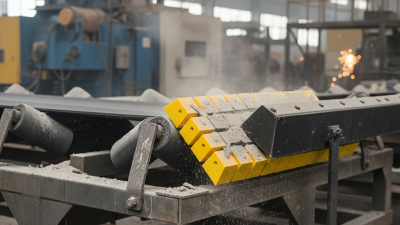
Another important consideration is the scraper design. The shape and angle of the blades play a crucial role. Properly designed scrapers can maintain a cleaner conveyor surface. Industry studies suggest that a well-angled blade can enhance cleaning efficiency by 20%. Users should look for designs that allow for easy adjustment and maintenance.
**Tips:** Regularly inspect scrapers for wear. This step can help prevent costly downtime. Also, consider the size of the scraper in relation to the belt width. An appropriately sized scraper maximizes its effectiveness. Pay attention to user reviews and feedback. These insights can be invaluable in choosing the right solution.
Top Key Features in Conveyor Belt Scraper Solutions
Top Global Manufacturers of Conveyor Belt Scrapers in 2026
As industries evolve, the demand for efficient conveyor belt scrapers has surged. In 2026, top global manufacturers are refining their offerings to meet the growing needs of various sectors. Data from market research indicates a projected growth rate of 7.3% in the conveyor components market, reflecting the increasing emphasis on productivity and maintenance.
Manufacturers are now focusing on sustainable materials and advanced technologies. Innovations include enhanced blade designs that improve cleaning efficiency while reducing wear on conveyor belts. Reports suggest that improper scraper maintenance can lead to a 30% increase in wear-and-tear costs over time. This is a critical area of concern for managers looking to optimize operational costs.
Despite these advancements, some challenges remain. Not all scrapers fit every application, leading to inefficiencies. Regional preferences may affect the availability of certain designs. Buyers need guidance on selecting the right scraper for their specific needs. Understanding these dynamics is key to making informed purchasing decisions in an increasingly competitive landscape.
2026 Best Conveyor Belt Scraper Solutions for Global Buyers
| Manufacturer Location |
Material Type |
Scraper Type |
Max Operating Temperature (°C) |
Applications |
Warranty Period (Years) |
| North America |
Polyurethane |
Primary |
60 |
Mining, Food Processing |
3 |
| Europe |
Rubber |
Secondary |
70 |
Heavy Industry |
5 |
| Asia |
Stainless Steel |
Dual-lip |
80 |
Pharmaceuticals |
4 |
| South America |
Polyethylene |
Heavy-duty |
50 |
Agriculture |
2 |
| Africa |
Nitrile |
Standard |
65 |
Construction |
3 |
Case Studies: Successful Implementations of Belt Scraper Solutions
In the quest for better conveyor belt scraper solutions, real-world applications can provide invaluable insights. For instance, one company faced significant material buildup on its conveyor systems, leading to inefficiencies. They implemented a scraper that adjusted to different belt speeds. This solution not only reduced downtime but also improved material flow. It served as a practical example of how tailored solutions can address specific challenges.
Another case study involved an organization struggling with wear and tear on existing scrapers. After thorough analysis, they opted for scrapers made from resilient materials. This choice drastically decreased maintenance frequency and costs. The implementation required careful monitoring and adjustments, revealing that not all solutions are one-size-fits-all. Adapting to the unique environment of each facility is essential for long-term success.
These examples highlight the need for ongoing evaluation and flexibility in scraper solutions. Not every approach works initially; continuous reflection and adjustment are necessary. Observing the impact of changes and optimizing over time ensures that companies stay ahead. This iterative process fosters innovation, ultimately enhancing operational efficiency across various industries.
Cost Analysis: Budgeting for Conveyor Belt Scraper Solutions in 2026
In 2026, the cost of conveyor belt scraper solutions is expected to vary widely. Many factors influence pricing, such as materials and technology. A robust analysis reveals that budget constraints may limit options for some buyers. For instance, while advanced rubber scrapers often provide effective performance, they come at a higher price point. On the other hand, simpler polyurethane models may fit lower budgets but could require more frequent replacements.
Understanding the balance between cost and effectiveness is crucial. Buyers must consider not just the initial purchase, but also ongoing maintenance and replacement costs. It’s not uncommon for businesses to overlook these aspects, leading to higher long-term expenses. Seeking expert advice can help buyers navigate these choices and find suitable solutions. Assessing the local market for available options can also uncover valuable insights. As the industry evolves, new materials and techniques will likely change the landscape for conveyor belt scrapers.
Flexibility in budgeting is vital. Some organizations may need to go through multiple suppliers to find the best deal. However, the cheapest option is not always the best choice. Quality often correlates with price, and investing in durable scrapers may save money over time. Evaluating the total cost of ownership should guide purchasing decisions. A comprehensive understanding of both immediate and future needs will lead to wiser investments in conveyor belt scraper solutions.