How to Choose the Best Concrete Delivery Hose for Your Needs?
Choosing the right Concrete Delivery Hose can significantly impact your construction project. According to industry expert John Smith, "Selecting the right hose is crucial for efficient concrete delivery." His insight reflects the complexities involved in this choice. With various types of hoses available, understanding their unique features is essential.
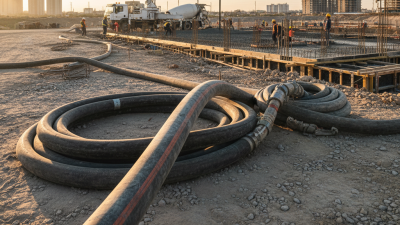
Concrete Delivery Hoses must meet specific performance criteria. The hose should resist wear and tear from the abrasive nature of concrete. A durable and flexible hose facilitates better maneuverability in tight spots. It can make or break your delivery process. Moreover, not all hoses are compatible with every pump. So, ensuring compatibility is critical.
In practice, many professionals overlook the importance of maintenance and inspection. Regular checks can prevent costly downtime. It’s easy to focus on immediate needs and neglect long-term reliability. Choosing the right Concrete Delivery Hose requires both knowledge and experience. Reflecting on past choices can help improve future selections. This emphasis on proper decision-making is vital for any successful construction operation.
Understanding the Different Types of Concrete Delivery Hoses
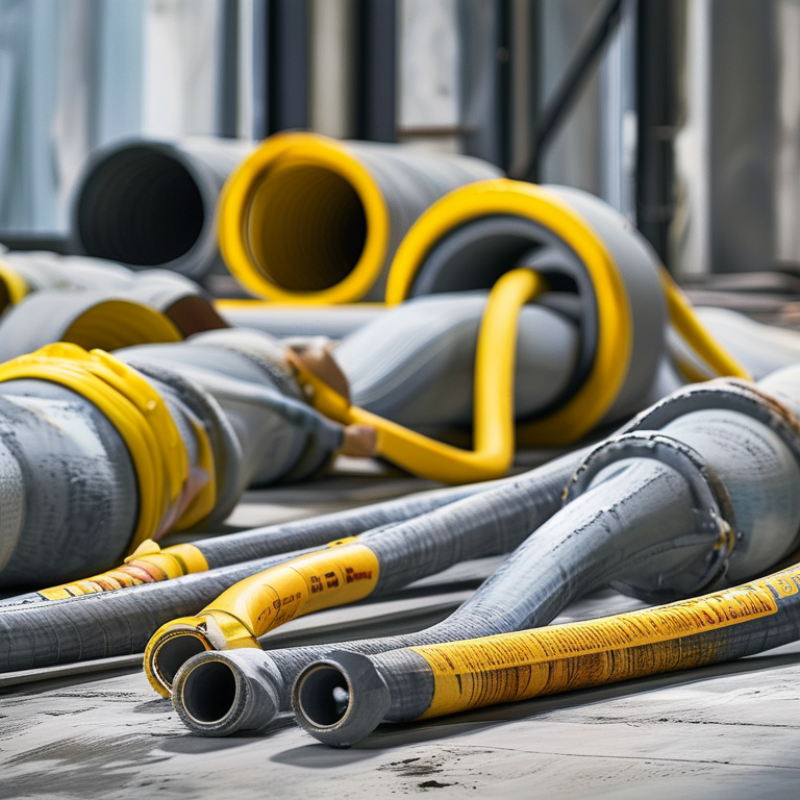
When selecting a concrete delivery hose, understanding the various types available is essential. There are standard hoses designed for general use. These are often durable and flexible, suiting many job sites. But, they may not handle all conditions perfectly. It’s crucial to assess the specific requirements of each project.
Specialized hoses exist for different concrete types and delivery methods. For instance, high-pressure hoses cater to pumped concrete, while larger diameter hoses are useful for heavy mixes. Each type has its own strengths and drawbacks. Failing to choose the right hose can lead to inefficiencies on-site.
It’s important to consider the materials and construction of the hose. Reinforcement plays a significant role in durability. However, the most robust option isn't always the best for every situation. Some projects may benefit from a lightweight hose that offers easier maneuverability. Balancing weight and durability is key for effective use. Make sure to evaluate your needs carefully.
Key Factors to Consider When Selecting a Concrete Delivery Hose
Choosing the right concrete delivery hose is crucial for successful projects.
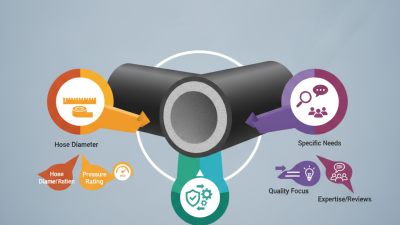
Consider the hose diameter first. A larger diameter allows for faster delivery, but may be harder to maneuver.
Assess the length needed as well. A longer hose may reduce pressure, affecting flow.
Material is also important.
Rubber hoses are flexible but may wear faster.
Steel-reinforced hoses are robust, offering durability.
Tips here include inspecting the hose for wear regularly.
A well-maintained hose is safer and more efficient.
Pay attention to operating pressure ratings too.
Ensure the hose can handle the maximum pressure of your concrete mix.
Using a hose rated lower than required can lead to failures.
Choosing the right size and material can significantly impact your workflow efficiency.
Evaluating Hose Specifications and Performance Ratings
Choosing the right concrete delivery hose can be daunting. Evaluating hose specifications is essential for performance. Key factors include hose diameter, length, and material. A wider diameter allows for quicker flow rates. Flexible materials make it easier to maneuver.
Tips for selecting the right hose: Consider the specific project requirements. Inadequate hose length can hinder your operation. Measure your site carefully. Pay attention to the pressure rating. This ensures the hose can handle the concrete's density.
Performance ratings offer insights into durability and reliability. Look for hoses tested by credible sources. They provide benchmarks for comparison. Be cautious of misleading claims. Some products may not stand up to rigorous work conditions. Reading user reviews can help highlight real-world performance.
Assessing Durability and Flexibility for Specific Applications
When selecting a concrete delivery hose, durability and flexibility are key factors. Research shows that hoses with reinforced construction can handle higher pressures without bursting, ensuring a safer job site. A recent industry report indicates that hoses with a tensile strength of at least 3,500 PSI offer adequate protection for most construction applications. This metric reflects their ability to withstand the rigors of transporting concrete mixes, which often involve abrasive aggregates that can wear down less durable hoses.
Flexibility is equally crucial. A hose that remains supple in various weather conditions aids in efficient maneuverability. For instance, a report noted that rubber hoses that maintain flexibility in temperatures as low as -20°C are essential for worksites in colder climates. Flexibility prevents kinking and allows for easier handling, but not all hoses achieve this. Some may become stiff and difficult to manage after prolonged use or exposure to UV rays, leading to potential inefficiencies.
Assessing your specific application can guide your choice. If the project involves tight corners or elevation changes, prioritizing greater flexibility is wise. Consider how often equipment will be moved and the length of runs between mixer and pour site. Inadequate planning may lead to unexpected wear or even damage, ultimately impacting project timelines.
Comparing Cost-Effectiveness of Various Concrete Delivery Hoses
When selecting a concrete delivery hose, understanding cost-effectiveness is vital. Various hoses come with different price points, impacting your budget significantly. Some hoses are more durable, which can justify a higher price. However, cheaper options may save money upfront but can lead to replacements and repairs later. It's essential to assess your project needs before deciding.
Tips: Look into the lifespan of a hose. A hose that lasts longer can prove to be more cost-effective over time. Evaluate the hose's material and thickness. A thicker hose may cost more initially but resist wear and tear better.
Consider the frequency of your projects. If you frequently pour concrete, investing in a high-quality hose can prevent downtime. On the contrary, if you do occasional jobs, a more affordable option might suffice. Keep in mind that lower costs aren't always synonymous with better value, as hidden issues might arise down the line. Balancing initial costs with long-term performance is key to making the right choice.