How to Choose the Best Abrasion Resistant Rubber Hose?
When selecting an Abrasion Resistant Rubber Hose, considerations are crucial for ensuring optimal performance and longevity. Industry studies show that hoses can wear out rapidly under harsh conditions. According to a report from the Rubber Manufacturers Association, up to 30% of hose failures result from inadequate abrasion resistance. This statistic highlights the importance of choosing the right materials and specifications for your needs.
The choices available in the market can be overwhelming. Various compounds and reinforcements affect the durability and flexibility of hoses. A poorly chosen hose can lead to costly downtime. It is essential to evaluate factors such as temperature, pressure ratings, and environmental conditions. Data from industry experts indicate that a well-matched hose can extend service life by 50% or more.
Understanding the specific requirements of your application is vital. Some customers may overlook critical details, leading to suboptimal performance. Reflecting on past experiences can foster better decision-making. Ensure you seek advice from reputable suppliers and consider industry standards. An informed choice in an Abrasion Resistant Rubber Hose can significantly impact efficiency and reliability in your operations.
Understanding Abrasion Resistance in Rubber Hoses
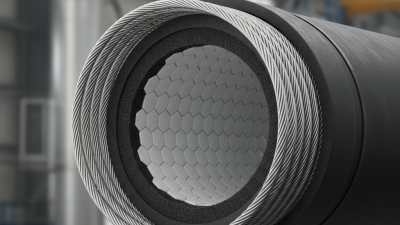
Abrasion resistance is a crucial characteristic for rubber hoses used in various industrial applications. Choosing a hose that can withstand wear and tear is essential, especially in environments with sharp materials or high friction. The right hose will maintain its integrity, reducing the risk of leaks and failures. You should consider materials like synthetic rubber, which tend to resist abrasion better than natural rubber.
In addition to material selection, thickness also plays a vital role. Thicker hoses often provide better protection against abrasion. However, a thicker hose can also be less flexible. It's important to find a balance between durability and the ability to maneuver in tight spaces. Regular evaluations of hose conditions can help identify potential issues before they become significant problems.
Many industries underestimate the impact of environmental factors. Dirt, debris, and temperature extremes can accelerate wear. Opting for a hose designed for specific conditions will enhance longevity. Look for options tested for durability under harsh conditions. This ensures reliability and minimizes frequent replacements, ultimately saving costs and resources.
Key Factors to Consider When Selecting Rubber Hoses
Choosing the right abrasion-resistant rubber hose involves several essential factors. Understanding the application is crucial. What environment will the hose operate in? High temperatures, oils, or chemicals can impact the hose's performance. It’s important to estimate the hose’s expected lifespan based on these elements.
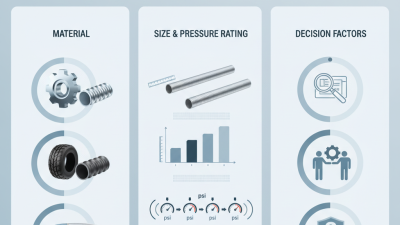
Material composition plays a significant role as well. Not all rubber is created equal. Some formulations withstand wear better than others. Check the hose’s resistance to abrasion and puncture. Look for specifics like hardness and tensile strength. These traits influence the hose's durability significantly.
Consider the hose's size and flexibility. A hose too stiff for your needs may lead to unintentional kinks and damage. On the other hand, if it’s too soft, it may not withstand pressure. Seek a balance that meets your specific requirements.
Selecting the right hose can feel overwhelming. Research different materials and share experiences with industry peers. Rely on technical specifications, but also trust your instincts. This approach helps in making informed decisions.
Types of Materials Used in Abrasion Resistant Rubber Hoses
When selecting an abrasion resistant rubber hose, understanding the materials is crucial. Various compounds provide different levels of resistance and flexibility. Neoprene is a popular choice due to its durability and resistance to environmental factors. It withstands both abrasion and varying temperatures well.
Natural rubber is another option. It offers excellent elasticity and tensile strength. However, it may not perform well against oils and chemicals. On the other hand, synthetic rubber blends, like nitrile or EPDM, provide specialized properties. They are ideal for specific applications, especially in harsh conditions.
It’s important to consider the intended use of the hose. Each material has its strengths and limitations. Choosing the right type can seem overwhelming. Not all hoses will suit every environment. Testing the hose in real conditions might reveal unexpected issues. This can help in making the final decision. Understanding these details fosters better choices and ensures long-term satisfaction.
Evaluating Performance Based on Application Requirements
When selecting an abrasion-resistant rubber hose, application requirements take center stage. Every environment demands specific qualities from a hose. For instance, high-pressure environments require hoses that can withstand not only wear but also considerable stress. Thus, understanding the physical demands greatly influences your choice. Evaluate factors such as temperature fluctuations and types of materials handled. This assessment defines the appropriate specifications for durability and performance.
Flexibility is another key characteristic. Some applications require hoses to bend without kinking. In contrast, rigid hoses might be suitable for fixed installations. You may find that some hoses perform poorly in certain conditions. Testing a hose under real-world scenarios can reveal strengths and weaknesses. It’s crucial to assess user feedback and technical data. While options can appear similar, small differences significantly impact longevity and usability. This is where thoughtful evaluation becomes essential to ensure resilience in your specific application.
Comparison of Abrasion Resistance in Different Rubber Hose Materials
This chart illustrates the abrasion resistance of various rubber hose materials based on typical application requirements. The data reflects performance ratings from 1 to 10, where 10 indicates the highest resistance to abrasion.
Maintenance Tips for Enhancing Hose Longevity and Performance
Regular maintenance is crucial for maximizing the longevity and performance of abrasion-resistant rubber hoses. A study conducted by the Rubber Manufacturers Association indicates that proper care can extend hose life by up to 30%. Routine cleaning is essential. Dirt and debris can cause wear, reducing the hose's effectiveness. It’s advisable to use a mild soap solution and water to clean the exterior. Avoid harsh chemicals that could degrade the rubber.
Temperature fluctuation can also impact a hose’s lifespan. Abrasion-resistant hoses are engineered to handle specific temperature ranges. Exceeding these limits can lead to premature failure. Monitoring the operating conditions helps in making proactive adjustments. Additionally, proper storage is often overlooked. Hoses should be stored in a cool, dry place to prevent unnecessary wear. Storing them in a coiled manner can also contribute to maintaining their shape.
Another aspect to consider is regular inspection for signs of damage. Check for cracks, bulges, or any signs of abrasion. Promptly addressing minor issues can prevent larger problems. According to a report from the Hose Manufacturers Association, 60% of hose failures result from inadequate inspection and maintenance. Keeping a log of these inspections can enhance performance tracking and highlight patterns in wear. A careful approach to maintenance ensures that your hoses remain reliable over time.
How to Choose the Best Abrasion Resistant Rubber Hose? - Maintenance Tips for Enhancing Hose Longevity and Performance
| Dimension |
Description |
Maintenance Tips |
Expected Lifespan |
| Diameter |
Inner diameter measurement important for flow rate. |
Regularly check for wear; replace if kinked. |
3-5 years under normal use. |
| Length |
Total length affects installation and pressure loss. |
Avoid sharp bends; store neatly to avoid damage. |
5-10 years with proper care. |
| Material |
Different rubber compounds have varying resistance. |
Keep away from chemicals that could degrade rubber. |
Varies; typically 5-20 years based on environment. |
| Temperature Rating |
Maximum and minimum temperature limits for use. |
Do not exceed thermal limits; inspect for cracks. |
10 years for moderate temperatures. |
| Pressure Rating |
Maximum pressure that the hose can handle safely. |
Regularly test pressure levels; replace if leaking. |
5-15 years depending on use. |