How to Choose the Right Corrugated Compensator for Your Needs?
Choosing the right Corrugated Compensator is crucial for optimal performance. These components play a vital role in various applications, from HVAC systems to industrial processes. Understanding their characteristics helps ensure reliability and efficiency.
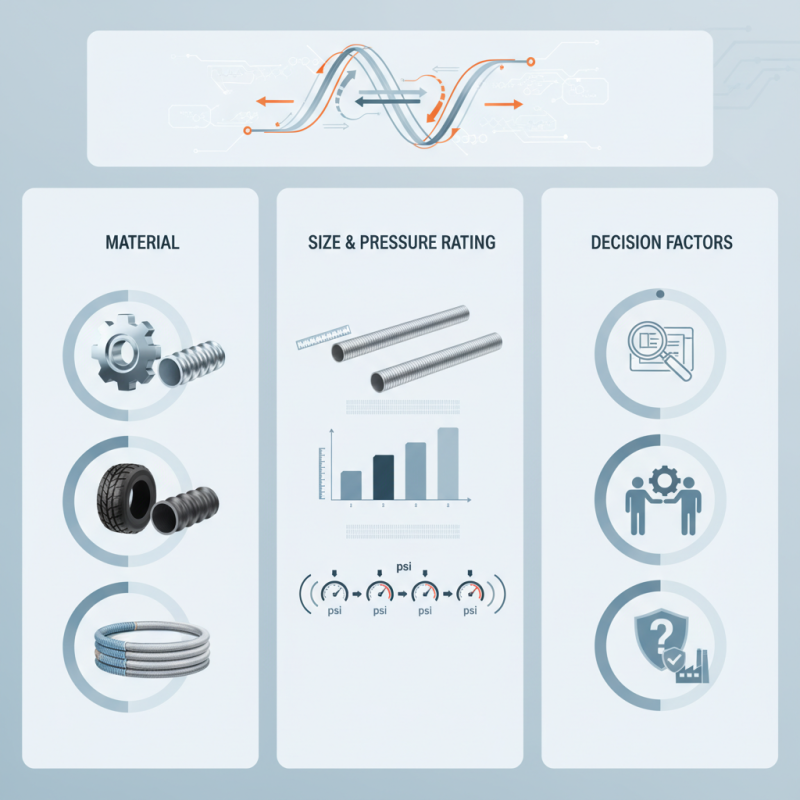
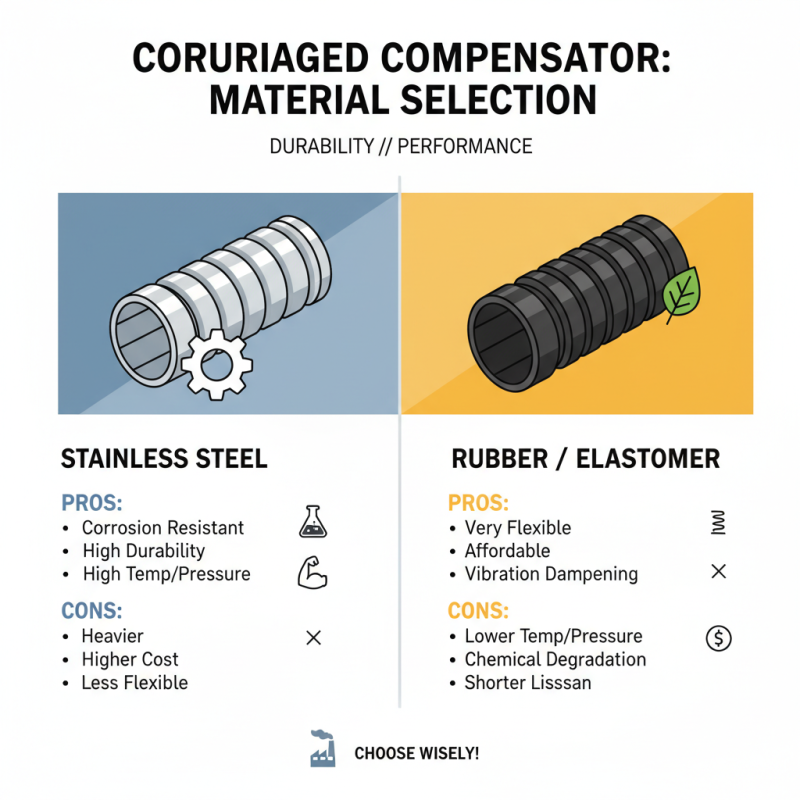
When selecting a Corrugated Compensator, consider factors like material, size, and pressure rating. Different materials offer distinct advantages. For example, stainless steel provides durability, while rubber may offer flexibility. Each option has trade-offs that must be evaluated carefully.
Avoid rushing the decision. Conduct thorough research and consult experts in the field. An ill-informed choice can lead to leaks, system failures, or costly repairs. Reflect on the specific needs of your application to make an informed selection that can enhance overall system efficacy.
Understanding the Functionality of Corrugated Compensators
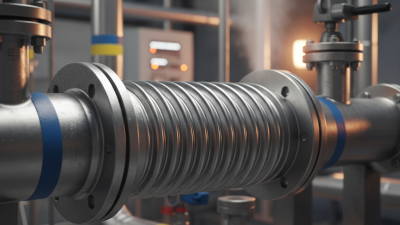
Corrugated compensators play a crucial role in various piping systems. They absorb thermal expansion, vibrations, and movement in pipes. This versatility makes them a favored choice in industries such as HVAC, chemical processing, and power generation. Their design, featuring a series of sinuous, wave-like shapes, allows them to flex and accommodate shifts in the pipeline.
When selecting a corrugated compensator, consider the operating environment. Different materials withstand various temperatures and pressures. However, some materials may lack resilience over time. It's essential to evaluate the chemical compatibility of the compensator with the transported medium. Neglecting this can lead to early failure and costly repairs. Always consult with engineering experts to ensure the right match.
Installation is another element to ponder. Proper alignment and secure fittings are vital for long-term performance. Many users overlook the importance of correct installation. Misplaced or poorly installed compensators can create stress points, compromising their functionality. Engaging skilled technicians can ensure a flawless setup and enhance reliability.
Identifying Your System Requirements and Parameters
Choosing the right corrugated compensator starts with understanding your system's specific needs. Consider fluid types, pressures, and temperatures. Each factor can significantly influence the performance of your compensator. Identify whether you need flexibility or stability in your system. Heavy vibrations require different solutions compared to static environments.
Another critical parameter is the size of your piping system. Measure the diameter accurately. Too tight or too loose installations can lead to failures. Assess the environment where the compensator will operate. Factors like temperature swings or exposure to chemicals matter greatly. Sometimes, initial assessments may overlook these details.
Lastly, think about how often you'll need to maintain or replace the compensator. Durable materials may cost more upfront but save money long-term. Reflect on your budget constraints while ensuring reliability. It’s a balance of cost against potential downtime. The right choice hinges on thorough evaluation and practical considerations.
How to Choose the Right Corrugated Compensator for Your Needs?
| Parameter |
Description |
Importance |
Recommended Value |
| Temperature Range |
The operating temperature for the application. |
High |
-50°C to 150°C |
| Pressure Rating |
The maximum pressure the compensator can withstand. |
High |
Up to 10 bar |
| Material |
The material used determines durability and compatibility. |
Medium |
Stainless Steel |
| Size/Dimensions |
Size of the compensator to fit the installation space. |
High |
Varies (Specify connection type) |
| Application Type |
Type of system (e.g., HVAC, industrial piping). |
High |
Specify application |
Material Selection for Durability and Performance
Choosing the right material for a corrugated compensator is essential for optimal performance. Various materials offer distinct advantages based on the application's demands. For instance, stainless steel provides excellent corrosion resistance and durability. However, it can be heavier and more expensive. On the other hand, rubber materials offer flexibility and affordability but may degrade faster under harsh conditions.
When selecting a material, consider the specific environmental factors. Exposure to chemicals, temperature fluctuations, and pressure levels can impact the compensator’s lifespan. Sometimes, the right choice may not be the most obvious one. A less expensive material could be suitable for short-term applications but might fail under long-term stress.
Achieving the perfect balance between cost and performance often requires testing and feedback from real-world applications. Potential issues can arise when materials underperform or fail sooner than expected. Regular assessments and adjustments may be necessary to meet evolving demands and ensure reliability. Ensure to gather insights from experienced users to refine your choices.
Evaluating Installation and Maintenance Considerations
When evaluating installation considerations for a corrugated compensator, it's essential to assess the system's layout. Space constraints can limit your choices. Ensure proper alignment with existing piping to avoid stress and damage. Pay attention to the compensator's flexibility. A more flexible model may fit better in cramped areas, but it might demand frequent adjustments.
Maintenance is another critical factor. Regular inspections are necessary to detect wear and tear. A compensator that requires minimal upkeep can save time. Clean the surfaces often to prevent buildup. This small step prolongs the component's lifespan. Be prepared for possible challenges when accessing certain areas for repairs or checks. If installation proves tricky, consult with experienced professionals. Their insights could lead to better decisions, enhancing reliability in the long run.
It's important to weigh all these factors before making a choice. Unforeseen issues may arise later if proper planning is neglected. Consider future expansions when installing. Remember, a decision today impacts your system for years. Be vigilant and attentive to details during installation and maintenance.
Comparison of Installation and Maintenance Considerations for Corrugated Compensators
Assessing Cost-effectiveness and Supplier Options
When assessing cost-effectiveness in corrugated compensators, it's vital to evaluate materials and manufacturing processes. High-quality materials may cost more upfront but can lead to durability and lower replacement rates. As you analyze options, consider not just the price but the lifecycle costs associated with each compensator.
Supplier options play a crucial role in your decision. A reputable supplier often provides more than just a product; they offer expertise and support. Asking for certifications can help gauge their reliability and industry knowledge. Don't hesitate to request case studies or references from previous clients. This can provide insight into their track record and the performance of their products.
Be aware that the cheapest option may not always be the best. Sometimes, a low price reflects lesser quality. It's important to balance initial expenditure with long-term value. Additionally, the delivery times and customer service of suppliers can impact your overall satisfaction. Investing time in selecting the right supplier can save trouble down the road. Reflect on your unique needs and be open to adjusting your criteria based on practical experiences.