Best Abrasion Resistant Rubber Hose Options for Durable Performance?
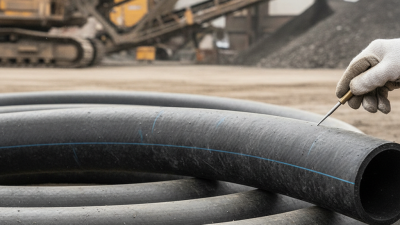
In industrial applications, choosing the right materials is crucial. One key component is the Abrasion Resistant Rubber Hose. This type of hose is essential for environments where wear and tear are prevalent. These hoses resist damage from rough surfaces, sharp edges, and rigorous handling. They are a favorite in construction, agriculture, and various manufacturing sectors.
Quality matters when selecting an Abrasion Resistant Rubber Hose. Many options are available, but not all offer the same durability and performance. Users must consider factors like internal pressure ratings and flexibility. In practice, a high-quality hose can significantly reduce downtime and maintenance costs. However, not all brands guarantee the same level of effectiveness. It’s important to do thorough research before making a choice.
While the advantages are clear, challenges can arise. Some hoses may not meet specified abrasion resistance claims. Users might face issues with compatibility in different environments. It’s necessary to weigh these factors carefully. A well-informed decision can enhance operational efficiency and prolong equipment lifespan. When selected wisely, an Abrasion Resistant Rubber Hose can be a game-changer for many industries.
Best Abrasion Resistant Rubber Hose Options for Durable Performance
When seeking durable performance in rubber hoses, abrasion resistance is key. These hoses are designed to endure harsh conditions, reducing wear and tear significantly. Industries like construction, mining, and agriculture greatly benefit from this durability. The right material can extend the lifespan of hoses, leading to fewer replacements and reduced expenses.
Choosing the best options involves understanding the environment and usage. Factors like temperature, pressure, and exposure to chemicals can affect performance. For instance, hoses used in rugged terrains might need thicker walls or reinforcements. A smooth interior can also help minimize friction, enhancing overall durability. Testing for flexibility is essential too; overly rigid hoses can crack under stress.
Feedback from users indicates that even premium options can have limitations. Some may experience degradation after prolonged exposure to sunlight. Others report challenges with coupling compatibility. Addressing these issues helps in refining choices. Evaluating abrasion-resistant hoses critically can lead to better performance, ensuring that they meet specific needs efficiently.
Understanding the Importance of Abrasion Resistance in Rubber Hoses
Abrasion resistance is crucial for rubber hoses used in various industries. These hoses face constant friction and wear, leading to premature failures. Industry reports highlight that hoses without adequate abrasion resistance can wear out up to 50% faster in harsh conditions. Proper selection can prevent costly downtime and replacement.
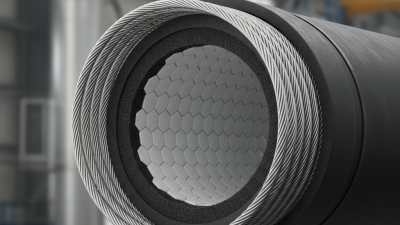
The materials used in making rubber hoses significantly impact their abrasion resistance. Studies show that compounds blended with high-performance fillers can enhance durability and lifespan. For instance, hoses designed with reinforced fabric layers exhibit improved wear resistance by up to 30%. Proper maintenance further prolongs their performance.
In some cases, the industry overlooks the importance of testing under real-world conditions. Standard tests may not accurately reflect the environments these hoses endure. This gap in knowledge can lead to suboptimal decisions. Evaluating a hose's performance in specific applications is essential for achieving long-lasting results. Careful consideration of abrasion resistance can ensure reliability and efficiency in operations.
Best Abrasion Resistant Rubber Hose Options for Durable Performance
| Hose Type |
Material |
Abrasion Resistance Rating |
Temperature Range (°F) |
Applications |
| Heavy-Duty Rubber Hose |
EPDM |
High |
-40 to 212 |
Construction, Agriculture |
| General Purpose Hose |
NBR |
Medium |
-4 to 176 |
Industrial, Automotive |
| High-Temperature Hose |
Silicone |
Very High |
-70 to 500 |
Food Processing, Chemicals |
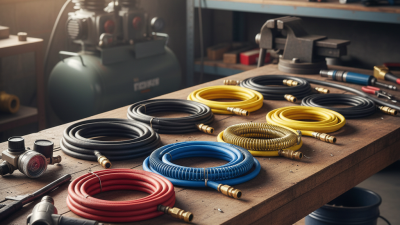
| Pneumatic Hose |
SBR |
Medium |
-40 to 176 |
Manufacturing, Automation |
| Oil Resistant Hose |
Nitrile Rubber |
High |
-40 to 250 |
Fluid Transfer, Oil Fields |
Key Features to Look for in High-Quality Abrasion Resistant Hoses
When selecting abrasion-resistant rubber hoses, it’s crucial to consider specific key features. First, look for a hose with high tensile strength. This strength ensures the hose can withstand the rough conditions it will face. A thicker outer layer may also enhance durability. This can help prevent wear and tear from debris and friction.
Additionally, a hose with a smooth inner lining allows for better flow and reduces the risk of clogging.
Another important aspect is flexibility. A hose that bends easily helps in maneuvering through tight spaces and reduces the chances of kinks. However, excessive flexibility may compromise durability. It's essential to find a balance between rigidity and pliability. Moreover, temperature resistance is vital. The hose should perform reliably in both hot and cold environments. Choose materials that withstand extreme temperatures effectively.
Lastly, consider the hose's resistance to chemicals and oils. A good rubber hose should resist degradation from substances it may encounter. This adds to its longevity and reliability. Selecting the right combination of these features can be challenging. It requires careful evaluation and understanding of your specific needs and environmental conditions.
Top Brands and Models of Abrasion Resistant Rubber Hoses
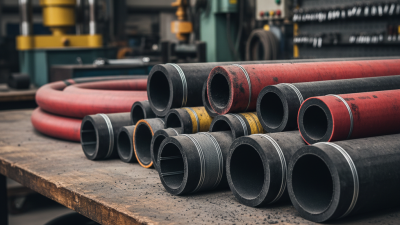
When selecting abrasion-resistant rubber hoses, consider their applications. Different environments require varying levels of durability. Industries like construction and agriculture often expose hoses to rough conditions. Look for hoses that promise longevity under stress.
Tips: Check the specifications before purchase. Know the maximum temperature and pressure ratings to ensure safety. Always consider the material composition for compatibility with your tasks.
Top brands emphasize quality in their designs. High-grade rubber materials help resist wear and tear. Special reinforcements can increase a hose's lifespan. Be cautious, some models might look robust but lack actual durability. Ask for user reviews to gauge real-world performance.
Testing a hose in its intended environment can reveal its true capabilities. Sometimes, a hose may perform well in controlled settings but fail under field conditions. Prioritize hoses that meet rigorous industry standards to ensure reliability.
Best Abrasion Resistant Rubber Hose Options for Durable Performance
Applications and Industries That Benefit from Durable Rubber Hoses
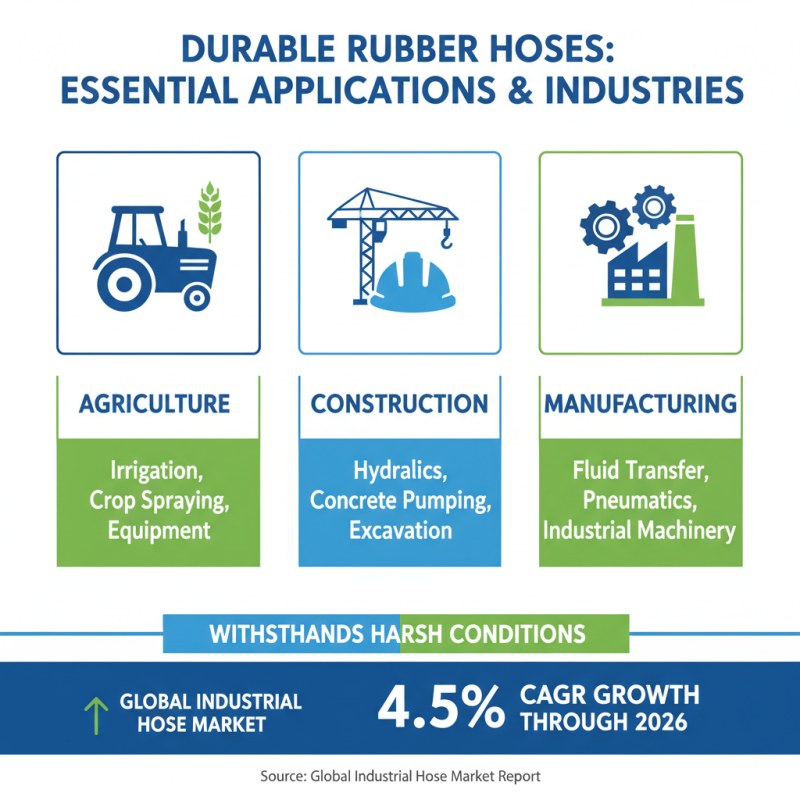
Durable rubber hoses are essential in industries like agriculture, construction, and manufacturing. These sectors rely heavily on hoses that can withstand harsh conditions. According to the Global Industrial Hose Market report, the industry is projected to grow at a CAGR of 4.5% through 2026. This growth underscores the demand for high-performance products.
In agriculture, rubber hoses transfer water and chemicals. They must resist abrasion from soil and weather. Hoses that fail can lead to costly downtime. Studies show that a 10% hose failure rate can result in 20% revenue loss. Similarly, in construction, hoses are subject to heavy wear. A hose that lasts six months longer than average can save significant costs on replacements.
Manufacturers are exploring advanced rubber compounds for better durability. New materials can increase resistance to wear and tear. Yet, not all options are perfect. Some hoses may become stiff in cold weather, leading to failures. Regular maintenance and proper selection are crucial. With the right products and practices, industries can improve overall efficiency and reduce risks.
Conclusion
The article explores the significance of abrasion-resistant rubber hoses in various applications and industries, highlighting their durability and performance. Understanding the importance of abrasion resistance can help users select high-quality hoses that stand the test of time. Key features to consider when choosing an abrasion-resistant rubber hose include material quality, flexibility, and resistance to external damage.
The piece also discusses the diverse applications where these hoses are indispensable, such as construction, agriculture, and manufacturing. Additionally, it provides maintenance tips to extend the lifespan of rubber hoses, ensuring they continue to perform effectively in demanding environments. Overall, investing in an abrasion-resistant rubber hose is crucial for achieving reliable and long-lasting performance across multiple sectors.