How to Choose the Right Conveyor Belt Wiper for Your Application?
Choosing the right Conveyor Belt Wiper is crucial for ensuring operational efficiency. According to a report by the Conveyor Equipment Manufacturers Association (CEMA), effective wipers can improve belt life by up to 30%. A suitable wiper minimizes material carryback and reduces maintenance costs.
In industries like mining and food processing, conveyor systems face unique challenges. For example, 70% of material loss occurs due to inadequate cleaning. Selecting the correct Conveyor Belt Wiper can directly impact productivity. Incompatible wipers may lead to frequent breakdowns and replacements.
Understanding the specific requirements of your application is essential. Factors such as material type, temperature, and belt speed must be considered. An informed choice not only enhances performance but also increases safety. Investing time to analyze your needs is worthwhile. The right Conveyor Belt Wiper can make a significant difference in your operation’s success.

Understanding Conveyor Belt Wipers and Their Importance
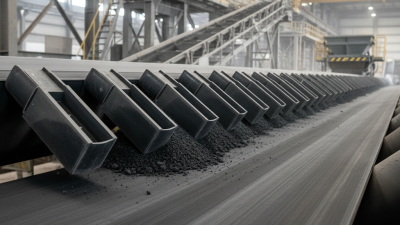
Conveyor belt wipers play a crucial role in maintaining efficiency and prolonging the lifespan of conveyor systems. These devices remove excess material and contaminants from the belt surface, which can lead to wear and tear if not managed properly. Regular maintenance and correct selection of wipers can prevent costly shutdowns and ensure smooth operations.
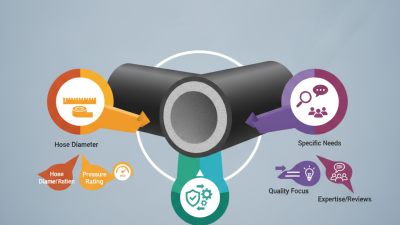
Choosing the right wiper depends on various factors, including the type of conveyed material, speed, and environmental conditions.
Tips: Evaluate the abrasive nature of the material being transported. A stronger wiper may be needed for heavy-duty applications. Additionally, consider the temperature conditions. Some materials can become less effective in extreme temperatures.
Quality wiper blades can reduce spills and improve safety. However, it’s essential to monitor wear and replace them timely. A poorly chosen wiper might not only fail to clean effectively but can also cause damage. Reflect on the feedback from your maintenance team. They can offer insight into which wipers are performing well or need adjustment.
Proper selection also hinges on correctly sizing the wipers. A wiper that is too small may miss spots, while one that is too large can cause unnecessary friction. Always keep an eye on how the wipers interact with the conveyor belt's system for optimal performance. Functionality is key, and each component must work seamlessly together.
Identifying Different Types of Conveyor Belt Wipers
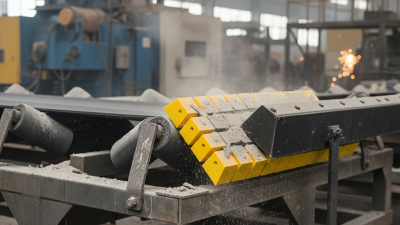
When selecting a conveyor belt wiper, understanding the different types available is crucial. There are various designs tailored for specific applications. These include blade-type wipers, which are best for light to medium-duty operations. They effectively remove debris without damaging the belt. In contrast, heavy-duty wipers offer robust solutions for environments that encounter more grit and resistance. Their material composition can withstand harsh conditions, ensuring longevity.
Another option is the brush-style wiper. This design is ideal for more delicate materials, where a gentle touch is necessary. Brushes can effectively remove fines and dust without causing wear on the belt surface. However, they may require regular maintenance to remain effective. Choosing the right type also involves assessing the kind of materials on the conveyor. Minerals, food products, or package materials may lead to distinct wiper requirements.
It's also important to consider the installation and alignment of the wipers. Poorly aligned wipers can cause uneven wear on both the wiper and the conveyor belt. This can lead to costly adjustments down the line. In any case, understanding the specific needs of your conveyor system will help mitigate issues and enhance overall efficiency.
Assessing Material Compatibility for Your Conveyor System
Choosing the right conveyor belt wiper involves understanding the materials in your system. Each material interacts differently with contaminants. Some materials can degrade when exposed to specific substances. For example, rubber wipers may not be ideal for greasy materials, as they can become less effective over time.
Material compatibility is crucial. Consider the type of debris your conveyor system handles. If your operation includes fine dust or sticky particles, a suitable wiper material must effectively manage these issues.
It’s essential to analyze properties like temperature and chemical exposure as well. A mismatch can lead to premature wear and failure, causing costly downtime.
Evaluate your current setup by observing performance. Are wipers frequently wearing out? This could indicate a compatibility issue. Engaging with experts can help refine your choice.
Consider past failures and seek alternative solutions. Sometimes, changing the wiper design can resolve persistent challenges in material handling. A thoughtful review of materials will enhance system efficiency.
Evaluating Application-Specific Performance Requirements
When selecting a conveyor belt wiper, evaluating application-specific performance requirements is critical. Each industrial setting presents unique challenges. A report from the Conveyor Equipment Manufacturers Association indicates that equipment downtime can cost manufacturers over $1 million annually. Effective wipers can reduce this downtime by up to 20%.
Material compatibility is essential. For instance, if your conveyor belt handles sticky materials, a soft rubber wiper might not suffice. Consider harder materials that match the belt surface. In harsh conditions, such as high temperatures or corrosive environments, specialized materials like urethane or silicone must be utilized. However, mismatched materials can lead to increased wear and early replacement, resulting in unexpected costs.
Furthermore, the design of the wiper plays a crucial role. A simple design might seem cost-effective, but it may lack the efficiency needed for specific applications. For example, narrow wipers can miss debris in wide belts, while overly aggressive wipers might damage the belt itself. Striking a balance between cost and performance is vital. Regular feedback from operators can reveal whether the current solution meets real-time needs.
Performance Evaluation of Conveyor Belt Wipers
Maintaining and Replacing Conveyor Belt Wipers Effectively
Maintaining conveyor belt wipers is crucial for efficiency. Regular inspections should be part of your routine. Check for wear and tear that can compromise performance. Look for cracks, tears, or accumulation of debris. A simple visual inspection can reveal much. If you notice any issues, do not delay in making replacements.
Replacing worn-out wipers is equally important. Delayed replacement can lead to costly damage. Choose materials suitable for your specific application. Consider the environment and the type of materials being conveyed. For instance, rubber wipers may work better in harsh conditions. However, some situations might require a stiffer material.
Proper installation is key for performance. Ensure the wipers are aligned correctly. Misalignment can lead to uneven wear and reduction in effectiveness. Regularly monitor their performance after installation. Adjust as needed to maintain optimal functionality. Pay attention to how they interact with the conveyor system for best results.