China Top 10 Chemistry Hose Manufacturers for Global Buyers
China’s chemical manufacturing base has created a strong supply network for industrial fluid-transfer equipment. Grand View Research estimates that the global industrial hose market was worth approximately USD 13 billion in 2023, with chemical processing among its key applications. Its analysis also expects continued growth through 2030, supported by process industries, water treatment, and energy projects. These figures are market estimates, not guarantees.
This guide examines ten China-based manufacturers supplying Chemistry Hose products to international buyers. The review considers material selection, pressure ratings, temperature resistance, production experience, testing systems, certifications, and export support. A reliable hose should match the chemical medium, operating temperature, working pressure, bend radius, and connection method. A bright red cover is not proof of chemical compatibility.
The European Chemical Industry Council’s Facts and Figures reports show that China remains the world’s largest chemical-producing region by sales value. That scale supports competitive sourcing, but it also creates uneven quality between suppliers. Buyers should request technical data sheets, batch traceability, inspection records, and samples before placing large orders. EN 12115, ISO 1307, and relevant customer specifications may help define acceptance requirements, depending on the application and destination market. However, certification claims still require verification.
No ranking can represent every factory perfectly. Some manufacturers have stronger engineering teams, while others provide better customization or shorter lead times. This comparison offers a practical starting point, not a substitute for technical review, site audits, or independent testing.
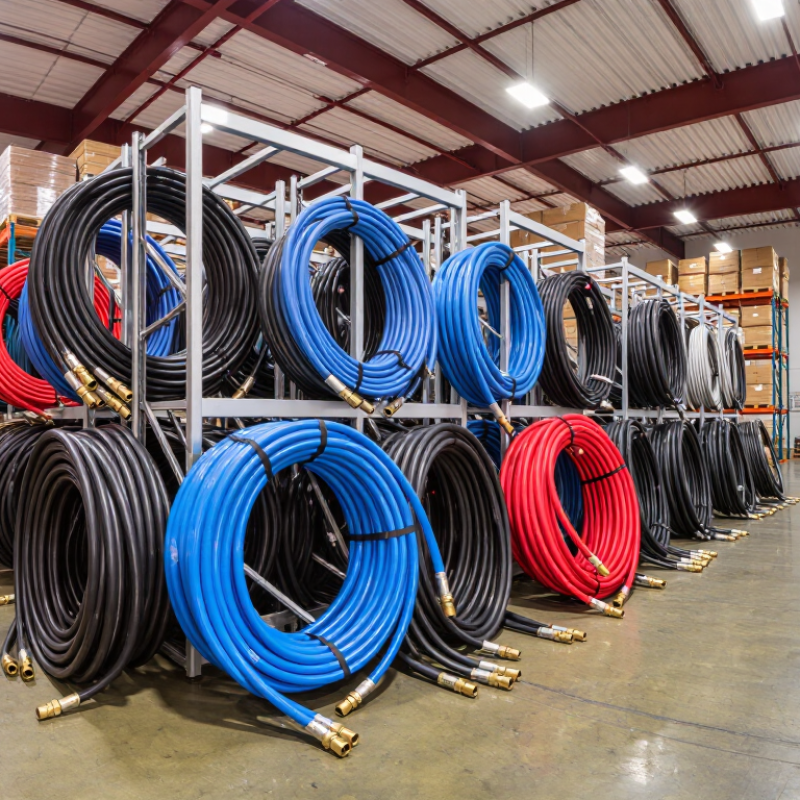
What Are Chemistry Hoses and Where Are They Used?
China Top 10 Chemistry Hose Manufacturers for Global Buyers
What Are Chemistry Hoses and Where Are They Used?
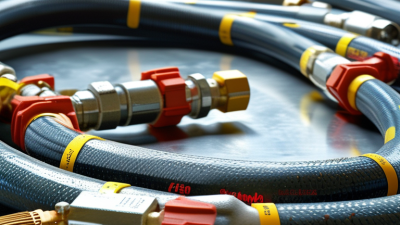
Chemistry hoses are flexible pipelines designed to transfer acids, alkalis, solvents, oils, and chemical mixtures. Their inner tubes commonly use PTFE, EPDM, UHMWPE, or other chemically resistant materials. Reinforcement may include textile layers, steel braids, or spiral wires. The correct choice depends on concentration, temperature, pressure, flow speed, and exposure time.
These hoses serve chemical plants, laboratories, water-treatment facilities, pharmaceutical production, and agricultural processing sites. They also connect tank trucks, storage tanks, pumps, and filling stations. A 2024 Cefic Facts and Figures report valued global chemical sales at about €5.7 trillion in 2023. That scale creates constant demand for safer transfer equipment. Even a small hose failure can cause production losses, contamination, or worker exposure.
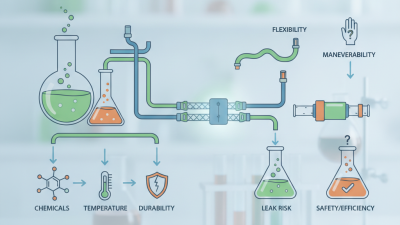
Industry guidance from ISO 1307 and international hose-association practices stresses pressure ratings, dimensional checks, and material compatibility. However, compatibility charts are not perfect. Temperature changes, repeated bending, and chemical mixtures can alter performance. A hose suitable for dilute acid may fail quickly with concentrated acid. It may also appear undamaged outside. Buyers should request test data, traceable certificates, and clear service-life guidance. China-based suppliers can offer varied constructions, but product photos alone prove little. A careful inspection remains necessary.
How to Evaluate Chinese Chemistry Hose Manufacturers
Choosing among China’s top ten chemistry hose manufacturers requires more than comparing prices. A reliable evaluation begins with the fluid, concentration, temperature, pressure, and transfer distance. Ask for a written compatibility chart, not a general claim that the hose is “chemical resistant.” Confirm the tube, reinforcement, cover, and fittings separately. These layers may respond differently.
Request batch traceability, material certificates, pressure-test records, and inspection procedures. A capable manufacturer should explain how samples are tested before shipment. Look for abrasion, vacuum, bending, and permeation data where relevant. Check whether the factory controls extrusion, assembly, and final testing internally. If key steps are outsourced, ask who accepts responsibility for defects. A clean factory helps, but it does not prove consistent quality. Documentation matters more.
During supplier discussions, request a small sample with clear markings and compare it against the approved drawing. Verify flange dimensions, wall thickness, bend radius, and packaging protection. Ask how the supplier handles complaints, replacement timing, and technical changes. Export experience can reduce misunderstandings, especially when documents and labeling differ. Still, a polished website is not evidence. Sourcing teams sometimes see attractive samples hide weak traceability. Even experienced buyers can miss issues without independent inspection. Use third-party testing for critical orders.
Profiles of China’s Top 10 Chemistry Hose Manufacturers
China’s top 10 chemistry hose manufacturers serve demanding industries, including chemical processing, water treatment, food production, and industrial maintenance. Their product portfolios commonly include PTFE-lined hoses, composite hoses, rubber hoses, and thermoplastic assemblies. Each manufacturer differs in pressure ratings, temperature limits, reinforcement design, and connection options.
Several leading producers operate modern extrusion, braiding, and assembly lines. Some provide traceable materials, batch testing, and pressure inspection records. Others focus on flexible delivery, custom lengths, or specialized fittings. Experienced buyers should examine factory audits, ISO certificates, test methods, and export history. A polished website is not enough. Manufacturing consistency matters more. In practice, even strong suppliers may have gaps in documentation or response speed.
Tips: Ask for a complete technical datasheet before sampling. Confirm chemical compatibility at operating temperature, not room temperature. Request reports for hydrostatic, impulse, vacuum, and leakage tests when relevant. Review packaging details, bend radius, and storage conditions. A small sample can reveal poor crimping or excessive stiffness. Also compare warranty terms carefully. They often sound clearer than they are. Need differs by application. Fitness to service should guide the final choice, rather than price alone.
Materials, Standards, and Customization Options Compared
China Top 10 Chemistry Hose Manufacturers for Global Buyers
When comparing China’s leading chemistry hose manufacturers, material selection should come before price. PTFE handles aggressive chemicals and offers a smooth, low-absorption bore. EPDM suits many aqueous chemicals, while FKM performs well with oils and elevated temperatures. UHMWPE can reduce permeation in demanding transfer lines. PVC may fit lighter-duty service, but its temperature range needs careful checking. It sounds simple. It is not.
Standards provide a useful safety framework, not a substitute for engineering judgment. Buyers should request pressure ratings, temperature limits, chemical compatibility charts, and test reports for each assembly. ISO 1307 can help clarify hose dimensions and tolerances. Food, pharmaceutical, or potable-water applications may require separate material compliance documents. Certificates should identify batch numbers, test methods, and issuing laboratories. A logo on a document proves little by itself. Traceability matters more.
Customization often includes bore diameter, cut length, end fittings, braid type, antistatic layers, and protective covers. Some projects need electrically conductive tubes, grounding points, or cleanroom packaging. Others need unusual bends or compact connection spaces. Confirm the working pressure after fittings are installed; the assembly may rate lower than the tube. In one practical review, unclear chemical concentration caused a late specification change. That mistake was avoidable. Share the fluid, concentration, temperature cycle, flow rate, and installation drawing early. Samples and inspection plans remain worthwhile, even when the supplier appears technically capable.
China Top 10 Chemistry Hose Manufacturers for Global Buyers
Materials, standards, and customization options compared through a representative engineering benchmark. The chart shows typical maximum continuous temperature ratings for commonly specified chemical hose materials and constructions.
Typical values: actual ratings depend on hose construction, chemical compatibility, pressure, concentration, fitting design, and operating conditions. Common buyer requirements include EN 12115, ISO 6134, FDA 21 CFR 177.1550, REACH, RoHS, and ATEX where applicable.
How Global Buyers Can Select and Source the Right Manufacturer
Choosing among China’s top ten chemistry hose manufacturers requires more than comparing prices. Global buyers should examine material compatibility, pressure ratings, temperature limits, and production consistency. A hose suitable for mild solvents may fail quickly with aggressive chemicals. Request technical data sheets, batch records, and independent test reports. Check whether the manufacturer follows recognized quality systems and can provide traceability from raw materials to finished goods. Factory photos help, but verified evidence matters more.
Tips: Send the supplier your chemical name, concentration, temperature, working pressure, hose length, and connection details. Ask for a written compatibility statement. Order samples before placing a large purchase. Test them under realistic conditions. Small details matter, such as crimp quality, bend radius, labeling, and packaging. Do not rely on a generic catalog description.
A reliable sourcing process includes a supplier audit, sample approval, and clear inspection terms. Buyers should confirm export documents, production lead times, warranty limits, and after-sales communication. Video audits can reveal useful details, though they cannot replace an in-person inspection. I have found that low quotations sometimes exclude testing, fittings, or protective packaging. That creates unpleasant costs later. Compare complete delivered specifications, not only unit prices. Keep records of every technical change, because an unnoticed material substitution can affect service life and safety.