2026 Top Concrete Delivery Hose Types for Global Buyers
Concrete pumping is changing in 2026. Global buyers now expect safer, longer-lasting, and better-documented equipment for demanding construction sites. This guide examines the leading Concrete Delivery Hose types used with truck-mounted pumps, trailer pumps, and stationary systems.
Steel wire reinforced hoses remain popular for high-pressure concrete placement. Textile reinforced hoses can offer easier handling and lower weight. End hoses provide flexibility near walls, columns, and congested reinforcement. Abrasion-resistant designs are valuable when coarse aggregate repeatedly strikes the inner tube. Some projects also require anti-static properties, temperature resistance, or special coupling systems.
The right selection depends on more than pressure ratings. Buyers should check working pressure, burst pressure, bend radius, inner diameter, concrete slump, aggregate size, and coupling compatibility. A hose that performs well on a bridge deck may feel excessive on a small residential project. Small differences matter. Storage conditions matter too, especially under strong sunlight or freezing temperatures.
Reliable purchasing should include manufacturer test records, batch traceability, installation guidance, and clear warranty terms. International buyers must also review applicable safety standards and local project requirements. Product data sheets deserve careful comparison, not blind trust. Some catalog claims appear impressive but lack useful field context. That is a weakness this article addresses. It compares practical hose types, explains their operating strengths, and identifies trade-offs that may affect cost, uptime, worker handling, and replacement schedules. No hose is perfect. The best choice balances verified performance with the actual pump, site, and concrete mix.
Concrete Delivery Hoses: Definition, Role, and Main Applications
Concrete delivery hoses are flexible, pressure-rated lines that transfer wet concrete from a pump to the placing point. They connect rigid steel pipelines with moving areas, such as boom ends, walls, slabs, and narrow foundations. Common types include rubber end hoses, steel-wire-reinforced hoses, flexible elbow hoses, and specialized hoses for trailer pumps. Their role is practical but demanding: they absorb movement, reduce placement effort, and help control discharge. The 2024 IMARC Group report estimated the global concrete pump market at about US$5.4 billion in 2023, showing strong demand for reliable pumping equipment and related components. Hose quality directly affects this operating chain.
Applications vary by pressure, aggregate size, and site access. High-rise projects often use reinforced delivery hoses with rigid pipelines, while residential work may use shorter flexible end hoses. Bridge decks, tunnels, precast yards, and industrial floors also depend on controlled concrete flow. A 2023 report from MarketsandMarkets identified infrastructure development and urban construction as major drivers of concrete pumping demand. Yet reports usually measure pumps, not hoses. That gap deserves more attention. Hose selection is still treated as a minor purchase on some sites.
Tips: Check working pressure, internal diameter, bend radius, coupling security, and abrasion resistance. Match the hose with the concrete mix and pump output. Inspect cracks, bulges, and exposed reinforcement before every pour. Replace damaged sections early. A cheaper hose may reduce purchasing cost, but it can increase downtime and safety exposure. Heredity of past site practice is not enough; actual inspection records should guide the decision.
2026 Top Concrete Delivery Hose Types for Global Buyers
Concrete delivery hoses are flexible pressure hoses used to transport fresh concrete from a pump or placing boom to the discharge point. Their construction, nominal inside diameter, reinforcement, and bend radius affect flow capacity, handling, and service life.
The chart shows common nominal inside diameters used in concrete pumping systems. Actual available sizes and pressure ratings vary by hose construction, application, temperature, aggregate size, and manufacturer specifications.
Definition
A concrete delivery hose is a reinforced flexible conduit designed to convey wet concrete, grout, or mortar under pumping pressure.
Role
It connects pumps, pipelines, placing booms, and discharge points while allowing controlled movement around structures, formwork, and reinforcement.
Main Applications
Typical applications include building foundations, high-rise construction, bridges, tunnels, precast production, shotcrete placement, and general jobsite concrete delivery.
Buyer checklist: Match the hose bore to the pump line and aggregate size, confirm the working-pressure rating, check coupling compatibility, and select a bend radius suitable for the placing route.
Key Hose Types for Concrete Pumping and Material Compatibility
2026 Top Concrete Delivery Hose Types for Global Buyers
Key Hose Types for Concrete Pumping and Material Compatibility
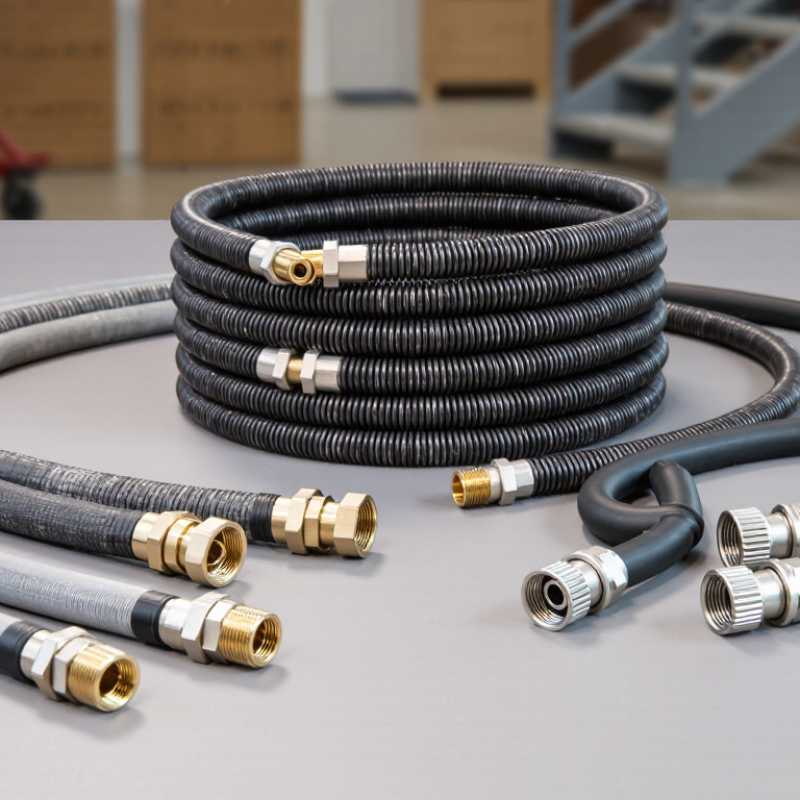
Concrete delivery hoses must match the pump, mix, and working environment. Rubber end hoses handle the final placement section well. They remain flexible near columns, walls, and crowded foundations. Steel-wire reinforced hoses suit high-pressure pumping and long delivery lines. Their stronger structure helps resist crushing and pressure pulses.
Textile-reinforced hoses are lighter and easier to move by hand. They can work for moderate pressure and shorter construction runs. Abrasion resistance matters when concrete contains angular stone or recycled aggregate. A thick, smooth inner tube reduces material buildup and cleaning time. It also lowers the risk of blockages. However, no hose solves poor mix design.
Material compatibility deserves careful checking. Concrete is alkaline and abrasive, while additives may change swelling or stiffness. Confirm the inner tube’s resistance to cement paste, admixtures, water, and cleaning chemicals. Match the hose diameter with aggregate size and required flow. Small diameters may increase pressure and clogging. Large diameters can become heavy and difficult to control.
I have seen suitable hoses fail after rough dragging across steel edges. That mistake is easy to repeat. Inspect covers, couplings, bends, and exposed wire before every shift. Verify pressure ratings, temperature limits, and applicable safety standards through current technical documents. Document the batch and operating conditions for more reliable purchasing decisions.
How to Select Hose Size, Pressure Rating, and Reinforcement
Concrete delivery hose selection starts with size, not price. Global cement production reached about 4.1 billion tonnes in 2023, according to the U.S. Geological Survey’s Mineral Commodity Summaries 2024. This scale increases demand for reliable pumping equipment, especially on dense urban projects.
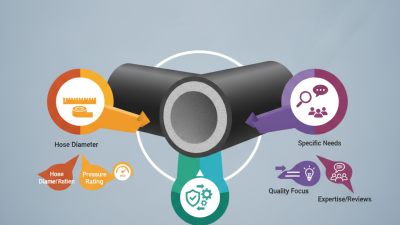
Match hose diameter with aggregate size and required flow. A 3-inch hose suits many standard placements. A 4-inch hose can reduce friction during high-volume pumping. Smaller hoses improve control but raise pressure loss. Check the pump manual and concrete mix design before choosing. ACI 304.2R guidance emphasizes compatible line layouts, proper couplings, and controlled placement. Do not treat diameter as a universal rule. It can fail with harsh mixes.
Pressure rating must exceed the pump’s maximum working pressure, not only the normal reading. Many heavy-duty concrete hoses use working ratings near 85 bar, but specifications vary by construction and service. Reinforcement commonly includes multiple steel-wire layers. More layers improve resistance to pressure and abrasion, while increasing weight and stiffness. EN 12001 safety principles also support inspection, secure connections, and controlled equipment use.
Tips: Measure the longest reach, count bends, and record peak pressure. Select a safety margin above that peak. Inspect cover cuts, exposed wire, coupling wear, and blocked ends before every pour. Replace damaged hose early. This feels conservative, but one overlooked defect can stop a full crew. Temperature, recycled aggregate, and pulsating flow also deserve review. Field experience should challenge the first calculation.
Safety, Installation, and Maintenance Requirements for Global Buyers
Concrete delivery hoses vary in diameter, pressure rating, flexibility, and end connection. Global buyers should match each hose to the pump, aggregate size, and working pressure. A hose designed for line pumping may not suit boom placement. Check the manufacturer’s technical sheet and confirm local safety requirements with a qualified engineer.
Safety starts before unloading. Inspect the cover for cuts, bulges, exposed reinforcement, or hardened concrete. Do not guess. Use rated couplings, safety restraints, and locking pins at every connection. Keep workers away from hose ends during pressurization. Wear eye protection, gloves, safety boots, and hearing protection near active pumps. Real sites are rarely clean. Mud can hide damage.
Installation needs a smooth route with no sharp bends, twisting, or unsupported weight. Secure long sections without crushing the hose. After use, flush concrete promptly with an approved cleaning method. Never strike a blocked hose while it remains pressurized. Store it straight, shaded, and away from oils, solvents, heat, and sharp metal. Rotate stored hoses periodically and record inspection dates, operating hours, repairs, and pressure tests. This simple record improves traceability across international projects. I have seen teams replace a hose too late because its history was unclear. That mistake deserves more attention.