What are the Benefits of Using Composite Hose in Industry?
Composite hoses are increasingly popular in various industrial applications. Their unique construction offers exceptional flexibility and durability. These hoses are designed for handling a wide range of liquids and gases, making them versatile tools in many sectors.
One notable benefit of composite hoses is their lightweight nature. This aspect makes them easier to handle and maneuver, particularly in challenging environments. Many industries prefer them due to their resistance to chemicals and temperature variations. However, while composite hoses excel in many areas, they aren't always suitable for every application. Consideration of specific use cases is essential.
Reliability plays a significant role in choosing the right hoses. Composite hoses provide a level of dependability that can enhance safety and efficiency in operations. Yet, regular inspection is crucial to ensure they maintain their integrity over time. Users must be vigilant about potential wear and tear. Overall, composite hoses offer an excellent balance of performance and adaptability, making them a valuable asset in the industrial landscape.
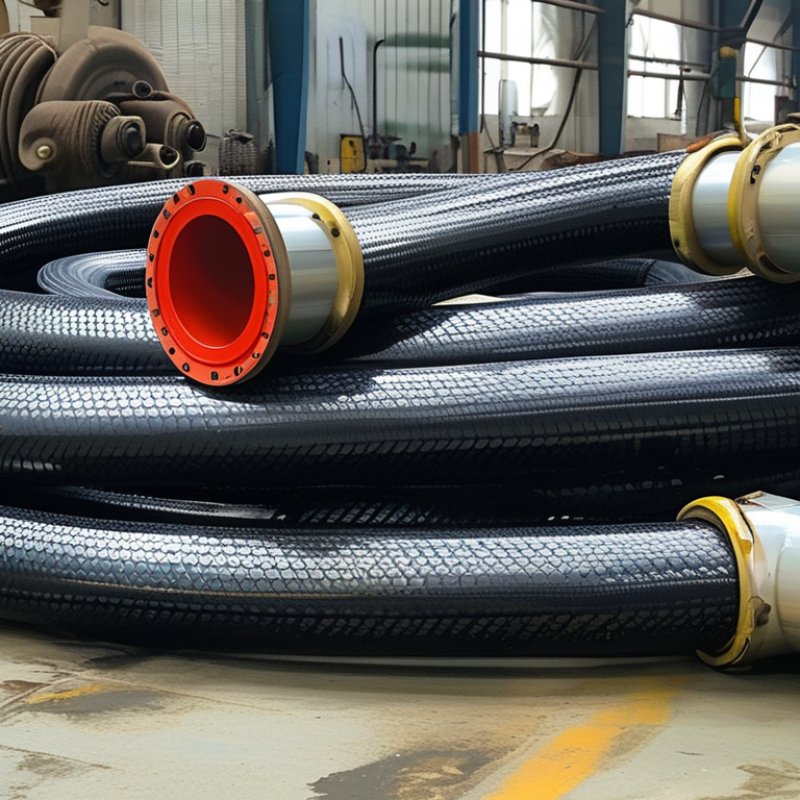
Benefits of Composite Hose: Overview of Key Advantages
Composite hoses offer numerous benefits in various industrial applications. They are lightweight and flexible, making them easy to handle and install. Their versatility allows them to transport a variety of liquids and gases. Unlike traditional metal hoses, composite hoses resist corrosion and have a longer service life. This reduces the need for frequent replacements, which is both time-saving and cost-effective.
When choosing composite hoses, consider their temperature and pressure ratings. Ensure they meet your specific industrial needs. Proper maintenance is crucial; regularly inspect hoses for wear and tear. This can prevent unexpected failures and enhance safety.
Composite hoses are designed to withstand extreme conditions, yet they require careful handling. Overloading them with weight can lead to damage over time. Always adhere to manufacturer guidelines for use. This attention to detail can extend the lifespan of your equipment.
Versatility of Composite Hoses in Various Industrial Applications
Composite hoses are increasingly popular in various industrial applications due to their versatility and unique properties. These hoses are made from multiple layers of materials, offering excellent resistance to chemicals, heat, and pressure. A study by the Global Composite Hose Market Report indicated that the demand for composite hoses is expected to grow by 5% annually between 2023 and 2028. This rise is largely driven by industries like chemical processing, oil and gas, and shipping.
One key advantage of composite hoses is their lightweight nature. Unlike traditional metal hoses, composite hoses are easier to handle and install. They are often used in transferring hazardous liquids, making safety a priority. Moreover, these hoses are not only flexible but also durable, often exceeding the life expectancy of rubber or metal options. However, improper handling can still lead to failures in extreme conditions, highlighting the need for proper training and maintenance practices.
In areas like food and beverage transfer, composite hoses meet strict safety standards. According to the FDA guidelines, certain composite hoses are approved for food-grade applications. This ensures that industries can safely transport liquids, minimizing contamination risks. Nevertheless, it’s vital for operators to regularly inspect hoses for wear and tear, as frequent use can lead to unnoticed damage over time. The balance of reliability and flexibility indeed makes composite hoses a favored choice, though constant vigilance is necessary for optimal performance.
Lightweight and Flexible Nature of Composite Hose Solutions
Composite hoses are gaining traction in various industries due to their lightweight and flexible nature. This type of hose, often made of a combination of materials, offers significant advantages over traditional metal hoses. According to a report by the American Society of Mechanical Engineers, composite hoses can reduce weight by up to 70% compared to their metal counterparts. This reduction allows for easier handling and installation, leading to improved operational safety and efficiency.
Their flexibility is another key benefit. Composite hoses can easily bend around surfaces and avoid tight corners, which is crucial in confined spaces. The flexibility helps to minimize stress on equipment, decreasing the risk of damage. A study conducted by the Rubber Manufacturers Association noted that flexible hoses reduced maintenance costs by as much as 30% in some applications. This flexibility also translates to less downtime, a critical factor for industries where continuous operation is essential.
However, while composite hoses boast numerous benefits, they are not without challenges. Their lifespan can be shorter than that of traditional materials under certain conditions. Exposure to harsh chemicals or extreme temperatures may compromise their integrity. Industries must weigh these factors carefully when selecting hose solutions. Continuous monitoring and testing are advisable to ensure safety and reliability. Balancing the advantages against potential drawbacks is vital in optimizing performance and maintaining safety standards.
Chemical Resistance: A Major Benefit of Composite Hoses
Composite hoses offer significant advantages in various industrial applications. One standout feature is their chemical resistance. These hoses can handle a wide range of chemicals, including acids, solvents, and hydrocarbons. Their construction typically involves multiple layers of materials, providing exceptional durability. This unique design ensures that the hoses can resist corrosive substances without degrading over time.
Maintaining safety in industries that handle hazardous materials is crucial. Composite hoses can prevent leaks and spills, reducing environmental hazards. They also withstand extreme temperatures, which is essential for many industrial processes. However, improper handling or installation can still lead to issues. Regular maintenance and inspections are necessary to ensure optimal performance.
In addition to chemical resistance, these hoses are lightweight and flexible. This makes them easier to maneuver in tight spaces. However, users must be cautious and not compromise on quality. Investing in the right materials and construction is vital. Overall, composite hoses represent a reliable solution while requiring thoughtful consideration to maximize their benefits.
Cost-effectiveness and Durability of Using Composite Hoses in Industry
Composite hoses offer significant cost-effectiveness and durability, making them a popular choice in various industries. According to a report by the International Hose Association, the use of composite hoses can reduce operational costs by approximately 20% over traditional materials. This is largely due to their lightweight structure, which allows for easier handling and reduced labor costs during installation and maintenance. Industries that often deal with hazardous materials benefit from this feature, as less manpower is required, reducing safety risks.
Durability is another vital aspect. Composite hoses are designed to resist harsh chemicals and extreme temperatures, extending their lifespan considerably. Testing indicates that they can endure more than 500,000 flex cycles without degradation. This longevity translates to lower replacement rates, which contributes to overall cost savings. However, it’s important to consider the maintenance needed. While these hoses are robust, improper storage can lead to potential wear and tear. Regular inspections can prevent unexpected failures and ensure their optimal performance.
In an evolving industry landscape, the integration of composite hoses needs thoughtful consideration. Understanding both their advantages and limitations allows organizations to make informed choices. While the initial investment might seem higher, the long-term savings and reliability highlight their value in the market.