What is a Composite Hose and How is it Used in Industry?
In the industrial world, the term "Composite Hose" signifies much more than a simple conduit. It is an essential component for fluid transfer, known for its flexibility and strength. John Smith, a leading expert in composite materials, once stated, “Composite hoses are the backbone of safe fluid transport in numerous industries.” This emphasizes the vital role these hoses play across various sectors, such as petrochemicals, food, and pharmaceuticals.
Composite hoses are layered with different materials to create a product that is both durable and versatile. They can withstand extreme temperatures and pressures, making them suitable for a range of applications. However, selecting the right composite hose can be challenging. Not every hose is crafted for every task, and improper use may lead to failures or safety hazards.
Understanding the specific requirements of each application is crucial. Manufacturers and engineers must carefully assess factors like chemical compatibility and operational conditions. While composite hoses offer remarkable benefits, inadequate knowledge might result in costly mistakes. Hence, continuous education and expert advice in this field are necessary to ensure effectiveness and safety.
What is a Composite Hose?
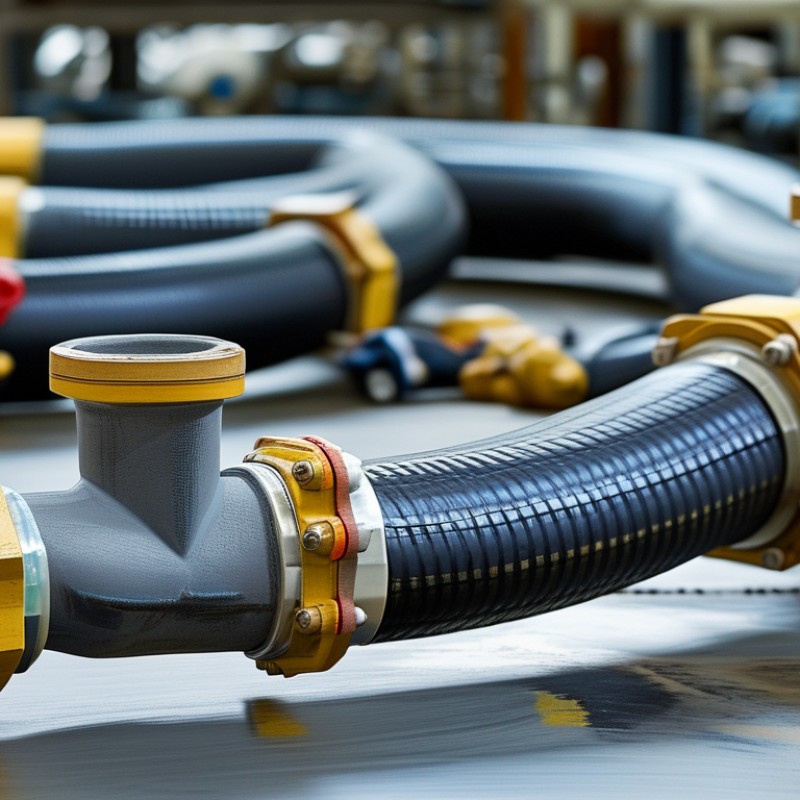
Composite hoses are essential in various industries, providing flexibility and durability. Made from multiple layers of synthetic materials, these hoses offer resistance to a range of chemicals. The outer layer often consists of abrasion-resistant materials, ensuring they can handle tough conditions. Their layered structure enhances strength while maintaining flexibility for complicated routing setups.
Commonly used in the oil and gas sector, composite hoses transport not just fuel, but also hazardous liquids. Their lightweight design allows for easier handling compared to traditional metal hoses. The use of these hoses reduces fatigue among workers during operations. However, inspection and proper maintenance are crucial for ensuring safety and longevity.
Some challenges exist with composite hoses. Although they are resistant to many chemicals, not all substances are compatible. Users must know the specifics of their applications to avoid failures. This knowledge is vital; improper use can lead to leaks or safety hazards. Understanding the intricacies of composite hoses is essential for effective application in various industrial environments.
Key Components of Composite Hoses
Composite hoses are essential in various industries. Their flexible design is ideal for transporting liquids, gases, and bulk materials. Understanding the key components is crucial for maximizing their effectiveness.
The outer layer is typically made of durable synthetic materials, providing protection against abrasion and harsh environments. The inner tube is engineered for compatibility with different substances, ensuring safe handling. Reinforcement layers, often made of textiles or wires, add strength and prevent collapse under pressure. These components work together to create a hose that is not only lightweight but also heavy-duty.
Tips: Regular inspection is vital. Look for signs of wear or damage. Ensure that connections are tight to prevent leaks. Another important aspect is cleaning. Proper maintenance can extend the lifespan of composite hoses significantly. Adjust usage according to the specific needs of your application. Stay aware of the limitations of the material. Knowing when to replace a hose is key to safety.
Applications of Composite Hoses in Various Industries
Composite hoses are versatile and vital in various industries. They combine the advantages of different materials, providing excellent chemical resistance and flexibility. Their structure often includes multiple layers that enhance durability. This design allows them to handle a wide range of fluids.
In the oil and gas sector, composite hoses safely transport fuels and chemicals. Their lightweight nature makes installation and handling easier, especially in complex environments. In the food and beverage industry, they ensure that products are delivered safely without contamination. These hoses can withstand temperature fluctuations and pressure variations, making them reliable for hot or cold liquids.
Despite their many benefits, improper use can lead to leaks or failures. Regular inspections and maintenance are essential to ensure safety. Users sometimes overlook the importance of choosing the right type of hose for specific tasks. Training and awareness can greatly enhance their effectiveness in the industry.
What is a Composite Hose and How is it Used in Industry? - Applications of Composite Hoses in Various Industries
| Industry |
Typical Uses |
Advantages of Composite Hoses |
| Petrochemical |
Transporting chemicals and fuels |
Resistance to harsh chemicals and temperatures |
| Food and Beverage |
Transporting liquids and powders |
Non-toxic materials and low flavor transfer |
| Marine |
Fuel transfer and wastewater management |
Corrosion resistance and buoyancy |
| Mining |
Transporting abrasive materials |
Durability and flexibility under harsh conditions |
| Construction |
Heavy-duty applications for liquids and gases |
Lightweight and easy to handle |
Advantages of Using Composite Hoses
Composite hoses are widely used in various industries for their versatility and strength. One significant advantage of composite hoses is their lightweight design. This makes them easier to handle and transport. Workers can move them with less physical strain. Additionally, the flexibility of composite hoses allows them to navigate tight spaces efficiently. This adaptability is crucial in busy industrial settings.
They also offer excellent resistance to a variety of chemicals. This quality ensures long-lasting performance in challenging environments. Users can rely on composite hoses to transport hazardous and non-hazardous materials safely. Furthermore, their durability leads to lower maintenance costs over time. It's a practical choice for companies looking to enhance operational efficiency.
**Tip:** Always check the chemical compatibility of the hose material before use. This prevents unexpected failures and may save costs in the long run.
Another point worth considering is the potential for hose damage. While composite hoses are tough, they can still wear out. Regular inspections can help identify issues early. This proactive approach ensures safety and reliability in your operations.
**Tip:** Keep records of inspections to monitor wear patterns. This data helps in planning timely replacements and avoiding any disruptions.
Maintenance and Safety Considerations for Composite Hoses
Composite hoses are widely used in various industries for transferring liquids and gases. Their construction consists of multiple layers, providing flexibility and chemical resistance. However, maintaining these hoses requires attention to detail. Regular inspections are essential to identify any wear, abrasions, or leaks.
Tips: Always check for kinks or twists. These can weaken the hose.
When using composite hoses, safety considerations should never be overlooked. Ensure that the connections are secure to prevent spills. Employees must be trained on proper handling and emergency procedures. Keep hoses out of direct sunlight to prolong their life.
Tips: Have a maintenance schedule. This will help track wear and replacements.
If a hose shows signs of damage, it should be replaced immediately. Waiting can lead to accidents and costly downtime. Consider environmental factors as well. Dust, chemicals, and extreme temperatures can affect hose performance.