What is Composite Hose and Why Should You Use It?
Composite hoses are increasingly recognized in various industries for their versatility and durability. These hoses excel in handling a range of fluids, from chemicals to fuels. According to a recent report by MarketsandMarkets, the global composite hose market is projected to grow at a CAGR of 5.2% from 2022 to 2027. This growth illustrates the rising demand for reliable and efficient solutions.
Industry expert John Smith, a leading authority in fluid transfer systems, states, “Composite hoses offer unmatched flexibility and performance in challenging environments.” His insights highlight the critical role these hoses play in enhancing operational efficiency.
Despite their advantages, there's still a need for careful selection and usage. Users must consider the specific fluids and operating conditions to ensure optimal performance. Not all composite hoses are created equal, and making the right choice can be complicated. This highlights the importance of deep industry knowledge and experience in selecting a composite hose that truly meets your needs.
Definition and Composition of Composite Hose
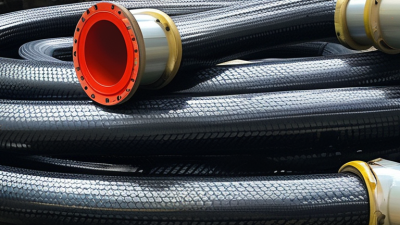
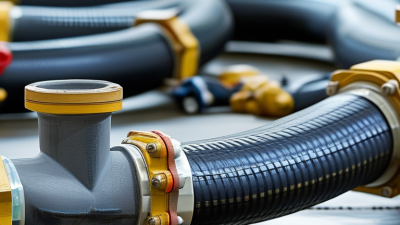
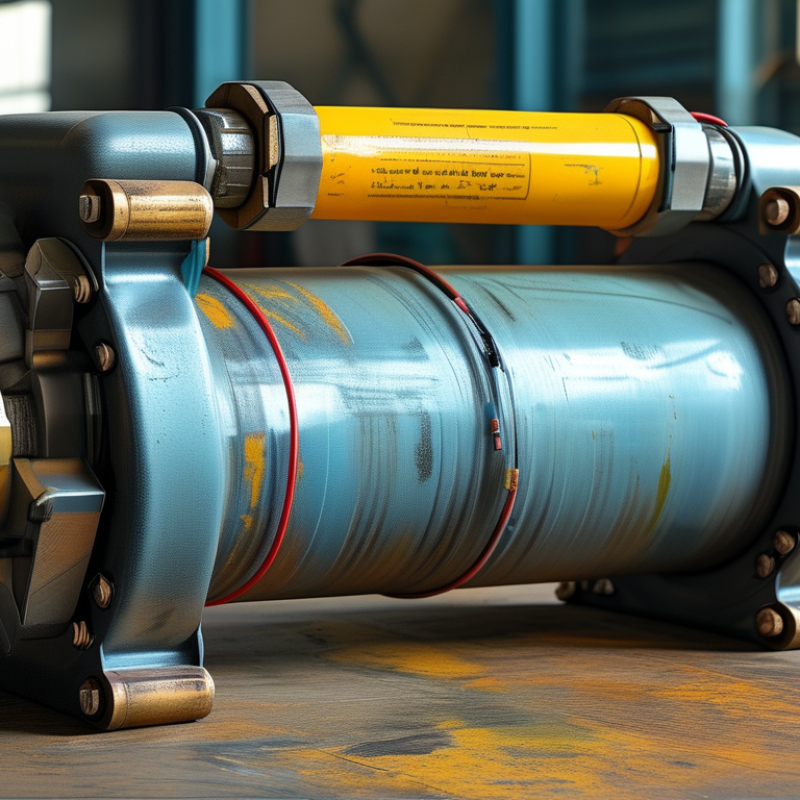
Composite hoses are specialized hoses designed for various industrial applications. These hoses are made from multiple layers of different materials, providing flexibility and durability. Typically, they consist of an inner lining, a reinforcement layer, and an outer cover. The inner lining usually consists of materials like polypropylene or nylon, which offer excellent chemical resistance.
The reinforcement layer often includes fabrics such as polyester or steel wire. This adds strength and resilience, making composite hoses suitable for high-pressure environments. The outer cover is designed to withstand external elements, ensuring longevity in harsh conditions. Together, these components create a hose that is lightweight yet robust, capable of handling a wide range of fluids and gases.
While composite hoses offer many advantages, there are areas for improvement. For example, their complex manufacturing process can lead to inconsistencies in quality. Users need to ensure they select hoses from reputable suppliers. Additionally, while these hoses are versatile, they might not be suitable for extremely high-temperature applications. Thus, careful consideration of the specific requirements is crucial.
Key Features and Benefits of Using Composite Hose
Composite hoses are specialized flexible hoses designed for the safe transportation of various liquids and gases. The unique construction of composite hoses, which typically includes an inner layer of thermoplastic, a reinforcement layer, and an outer layer, provides several advantages. According to industry reports, the global composite hose market is expected to grow by over 5% annually through 2025, reflecting rising demand across multiple sectors.
One key benefit of composite hoses is their lightweight nature. For instance, they are approximately 60% lighter than traditional rubber hoses. This aspect significantly reduces handling strain and increases manual safety during operations. Additionally, composite hoses are highly resistant to various chemicals and extreme temperatures, making them suitable for diverse applications. Reports indicate that these hoses can operate effectively in temperatures ranging from -40°C to 100°C.
Another notable feature is the exceptional flexibility of composite hoses. Their ability to bend easily allows for versatile routing in tight spaces. This flexibility can simplify installation and reduce the risk of damage during use. However, while many users appreciate these advantages, some may find maintenance challenging. Regular inspections are essential to ensure longevity. Balancing these factors can be crucial for optimal performance in demanding environments.
Applications and Industries that Utilize Composite Hose
Composite hoses are highly versatile and are used across various industries. These hoses are constructed from multiple layers of materials, creating a strong yet flexible product. They are ideal in environments where traditional hoses may fail. Their design can handle a range of materials, making them invaluable in many sectors.
Many industries rely on composite hoses for their unique properties. The chemical industry often uses them for safely transporting aggressive substances. In oil and gas, these hoses are crucial for transferring liquids at high pressures. Marine applications benefit from composite hoses due to their resistance to corrosion and environmental damage.
When using composite hoses, it's essential to perform regular inspections. Look for signs of wear or damage regularly. Using the right fittings can ensure a secure connection, preventing leaks. Also, consider the specific requirements of the fluids being transported, as compatibility is key to maintaining the hose’s integrity. Regular training for staff on hose safety can further enhance operational reliability.
What is Composite Hose and Why Should You Use It? - Applications and Industries that Utilize Composite Hose
| Application |
Industry |
Advantages |
| Fuel Transfer |
Oil and Gas |
Flexible, durable, and resistant to various chemicals. |
| Chemical Handling |
Chemical Manufacturing |
Corrosion-resistant and suitable for high-pressure applications. |
| Food and Beverage Transfer |
Food Processing |
Compliant with food safety standards and easy to clean. |
| Water Transfer |
Environmental Services |
Lightweight and easy to deploy for emergency response. |
| Steam Transfer |
Manufacturing |
Handles high-temperature applications with ease. |
Comparison of Composite Hose with Traditional Hose Types
Composite hoses offer a versatile and effective solution compared to traditional hose types. They combine multiple layers of materials to create a lightweight, yet durable, option for transporting liquids and gases. Unlike rubber or metal hoses, composite hoses resist corrosion and can handle a wide temperature range. This adaptability makes them suitable for various industrial applications, from chemical processing to offshore environments.
When comparing composite hoses with traditional options, flexibility is a notable advantage. They can bend around corners and fit into tight spaces much easier than rigid hoses. This feature reduces the risk of kinking and allows for smoother fluid flow. Furthermore, the construction of composite hoses often results in lower maintenance requirements. Operators spend less time on repairs compared to older hose types, resulting in increased efficiency.
Tips: Regular inspection of hoses can help identify wear and tear early. Consider using a pressure gauge to monitor hose performance. Choose hoses that align with your specific needs for longer lifespan and safety.
Maintenance and Safety Considerations for Composite Hose Usage
Composite hoses are increasingly popular for various industrial applications. However, their use demands effective maintenance and safety practices. Regular inspection is crucial. Users should check for wear, kinks, or leaks. A flawed hose can lead to hazardous spills and accidents. Documentation of inspections should be maintained to ensure accountability.
Identifying the right storage conditions is also essential. Composite hoses should be stored in a cool, dry place. Exposure to sunlight and extreme temperatures can degrade the material. Ensure that hoses are not twisted or bent during storage. This simple practice can extend their lifespan significantly.
Training staff on proper usage and handling of composite hoses is another vital step. Everyone involved should understand the risks associated with mishandling. Visual aids and hands-on training can improve compliance. Awareness of potential hazards helps in minimizing risks. Regular refreshers can keep this knowledge current.