Top Conveyor Belt Cleaner Tips for Efficient Maintenance?
In the world of material handling, maintenance of equipment is crucial. A Conveyor Belt Cleaner plays a vital role in ensuring operational efficiency. Clean belts enhance product quality and reduce operational delays. However, many overlook the importance of regular maintenance and proper cleaning techniques.
Effective maintenance of conveyor belt cleaners requires expertise. Knowledge of the right cleaning materials is essential. Choosing the wrong cleaner can cause belt damage. Additionally, frequent checks help identify wear and tear on the cleaner itself. This proactive approach prevents costly downtime.
It’s easy to fall into complacency. Many businesses fail to establish a structured cleaning schedule. Without this, contaminants can build up and hinder performance. Reflecting on maintenance practices can uncover hidden inefficiencies. Striking a balance between thorough cleaning and preserving the belt's integrity is crucial for longevity.
Understanding the Importance of Conveyor Belt Cleaners for Efficiency
Conveyor belt cleaners play a crucial role in maintaining operational efficiency. A clean conveyor belt ensures that products move smoothly through the process. Accumulated debris can lead to sludge that slows down production. This buildup may cause unexpected downtimes. Regular maintenance prevents this while enhancing the productivity of the entire system.
Understanding the importance of these cleaners goes beyond just appearances. It involves recognizing the potential risks associated with unclean belts. Poorly maintained belts can degrade quality and lead to costly errors. Workers may face safety hazards due to slipping or falls caused by residue. Operations may experience increased wear and tear, resulting in higher repair costs over time. Using proper cleaning solutions and techniques reduces these risks.
However, achieving optimal cleaning is not always easy. Many facilities struggle with finding the right balance and tools. Some cleaners might be too harsh, damaging the belt. Others may not be effective enough to remove stubborn buildup. Regular assessments and employee training are essential for success. An ongoing commitment to efficient practices can lead to significant improvements.
Types of Conveyor Belt Cleaners and Their Applications in Maintenance
When it comes to conveyor belt cleaners, understanding the different types and their applications is crucial for effective maintenance.
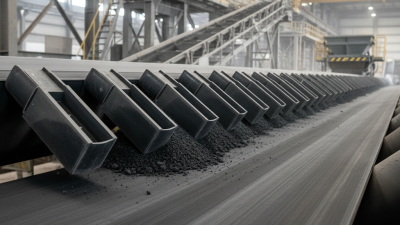
There are primarily three types: primary cleaners, secondary cleaners, and specialty cleaners. Primary cleaners are designed to remove bulk materials immediately after discharge. They play a vital role in preventing carryback. Reports suggest that efficient primary cleaning can reduce carryback by up to 90%. This efficiency helps maintain clean work environments and reduce downtime, which is a significant concern in many industries.
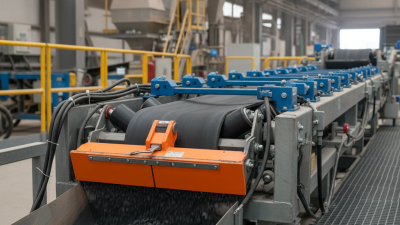
Secondary cleaners work on residual material left behind by primary cleaners. They excel at ensuring the belt surfaces are clean.
Studies indicate that an effective secondary cleaner can improve operational efficiency by reducing unplanned maintenance by 40%. Specialty cleaners are tailored for specific applications, such as food-grade belts or high-temperature environments. They cater to unique needs, highlighting the importance of selecting the right type for specific challenges.
Each type of cleaner has its strengths and weaknesses. However, choosing the right system can be challenging. Factors like belt speed, material type, and operating conditions all influence effectiveness. Reflecting on these elements can lead to better maintenance strategies tailored for individual applications. Testing and evaluation are essential to ensure that the selected cleaner performs optimally within its environment.
Best Practices for Regular Inspection and Maintenance of Cleaners
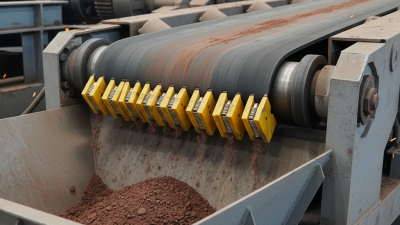
Regular inspection of conveyor belt cleaners is crucial for optimal performance. Look for signs of wear, such as frayed edges or corrosion. It’s essential to check the alignment of cleaners. Misalignment can lead to ineffective cleaning and material buildup. Make sure that the cleaning blades are in proper contact with the belt.
Develop a routine maintenance schedule. Set reminders for inspections every few weeks. Pay attention to environment factors. Dusty or wet conditions can affect the effectiveness of cleaners. Sometimes, the cleaning system may require adjustments. Keep detailed records of inspections and maintenance actions taken. This practice can help identify patterns. Reflecting on these notes can reveal areas for improvement.
Training your maintenance team on best practices is equally important. Ensure they understand the cleaning system’s function. Knowledge improves the efficiency of maintenance tasks. Engage team members in identifying potential issues. Open communication fosters a proactive maintenance culture.
Top Conveyor Belt Cleaner Tips for Efficient Maintenance
| Tip |
Description |
Frequency |
Key Benefits |
| Regular Inspections |
Conduct thorough inspections of the conveyor belt cleaners to identify wear and tear. |
Weekly |
Prevents breakdowns and maximizes efficiency. |
| Cleaners Adjustment |
Ensure that the cleaners are correctly adjusted to the belt for optimal performance. |
Monthly |
Improves cleaning efficiency and reduces spillage. |
| Replace Worn Parts |
Replace any worn-out components of the conveyor cleaners promptly. |
As Needed |
Maintains continuous operation and reduces maintenance costs. |
| Lubrication |
Lubricate moving parts of the conveyor cleaners to prevent friction. |
Monthly |
Enhances operational life of the cleaners and smoothens performance. |
| Training Staff |
Provide training for staff on best cleaning maintenance practices. |
Bi-Annually |
Increases operational efficiency and safety awareness. |
Tips for Selecting the Right Cleaner for Your Conveyor System
Choosing the right cleaner for your conveyor system is crucial for maintaining efficiency. First, consider the material of your belt. Different materials may require specific types of cleaners. For example, rubber belts often demand a gentle approach, while plastic belts could handle more robust cleaning options. Understanding these nuances can prevent unnecessary wear and tear.
It's also important to assess the type of contaminants your system deals with. For heavy debris, a more aggressive cleaner may be necessary, whereas light dust issues might only need a soft touch. However, using a cleaner that is too harsh can lead to damage and additional costs. Regularly reviewing your cleaner's effectiveness is essential. Keep an eye on performance indicators and be open to adjustments.
Lastly, don’t ignore the design of the cleaner itself. Certain designs fit better in tight spaces or specific conveyor layouts. Evaluate how well the cleaner integrates with your system. An ill-fitting cleaner can lead to operational inefficiencies. Always document your experiences after making changes. Reflection can guide you towards smarter choices in future maintenance efforts.
Troubleshooting Common Issues with Conveyor Belt Cleaners
Maintaining conveyor belt cleaners is essential for optimal performance. Troubleshooting common issues can save time and resources. Clogs and blockages often occur, requiring timely responses. If a cleaner is clogged, inspect the belt regularly. A simple check can prevent significant downtime.
Wear and tear on the cleaner can lead to insufficient cleaning. Regularly inspect components for signs of wear. If you notice fraying or distortion, replace parts immediately. This proactive approach ensures continued efficiency. Addressing these issues promptly can prevent runaway buildup on the belts.
Another common challenge is incorrect tensioning of the cleaner. Too loose or too tight positioning can lead to ineffective cleaning. Adjust the tension to ensure proper contact with the belt. Consider routine training for your maintenance team on proper adjustment techniques. Having a team well-trained can reduce mistakes and enhance performance. Through attention to detail and quick reactions, effective maintenance can lead to a reliable system.