Selecting the right Chamber Plate is rarely a simple matter of comparing price and plate count. Global buyers must examine filtration performance, operating pressure, temperature, material compatibility, and service conditions. A plate designed for water clarification may fail in a food-processing line. A model suitable for mild chemicals may corrode quickly in an aggressive process.
This guide reviews ten widely used Chamber Plate types for international purchasing decisions. The range includes polypropylene plates, stainless steel plates, membrane plates, recessed plates, high-pressure designs, and models developed for food, pharmaceutical, mining, and wastewater applications. Each type offers practical advantages, but none is universally superior. Not even close.
Experienced buyers normally request drawings, flow data, gasket specifications, and verified pressure ratings before approving a purchase. Supplier inspection records and consistent test documentation also deserve attention. Standards may differ between markets, so certificates should be checked against the actual application rather than accepted automatically.
Small details matter. A two-millimeter dimensional difference can affect cloth sealing. An unsuitable gasket can cause leakage around a clean production area. An incorrect feeding port may increase installation time and replacement costs. These issues are easy to overlook during online sourcing.
A neat ranking can still mislead. The best Chamber Plate depends on the process, not only on the product name. This overview therefore compares construction, filtration behavior, maintenance demands, expected service life, and purchasing risks. It is intended to help engineers, distributors, and procurement teams ask better questions before placing a global order.
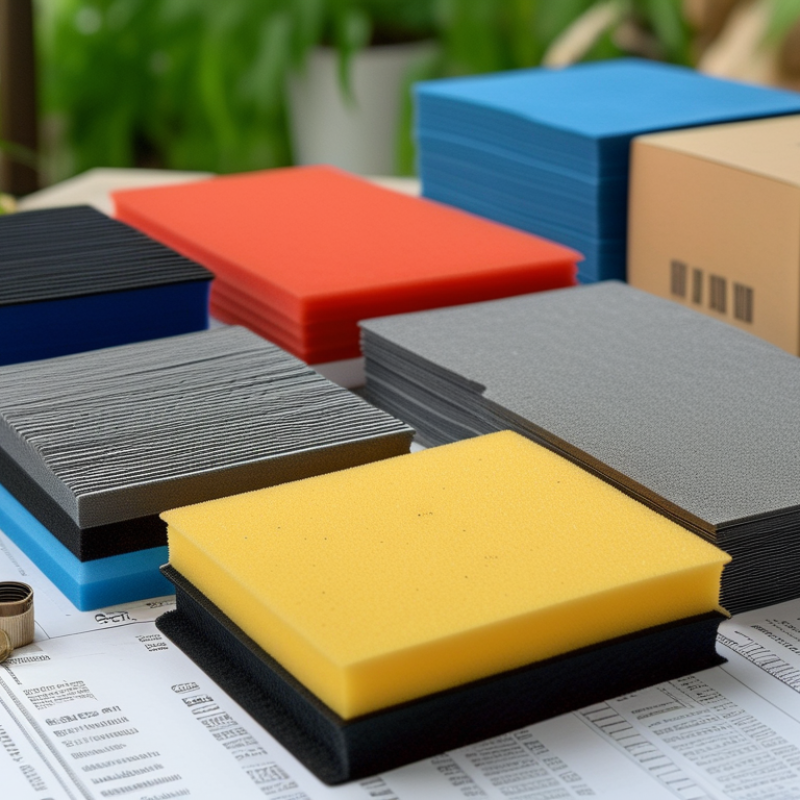
Chamber plates are structural components used in filter presses. Each plate helps create a sealed cavity where suspended solids collect as filter cake. During operation, slurry enters through feed channels, while filtrate passes through the filter cloth and exits through internal ports. A well-designed chamber plate must resist pressure, chemical exposure, temperature changes, and repeated cleaning.
The common classification begins with plate structure. Recessed chamber plates form cake chambers directly between neighboring plates. Membrane chamber plates add a flexible membrane that compresses the cake after filtration. Plate-and-frame designs use separate frames and plates, although their chamber arrangement differs. Buyers may also encounter diaphragm plates, high-pressure plates, non-gasketed plates, gasketed plates, center-feed plates, corner-feed plates, and automatic-cloth-washing plates. These ten forms are not always separate categories. Some overlap.
Material provides another practical classification. Polypropylene plates are lightweight and widely used for many industrial liquids. Cast metal plates offer strong mechanical resistance but require careful corrosion evaluation. Stainless steel versions suit demanding thermal or chemical conditions, subject to proper grade selection. Plate size, chamber depth, sealing method, feed position, and discharge design further affect performance. For example, a deeper chamber stores more cake but may increase washing difficulty. A small sealing defect can cause visible leakage. It can also remain unnoticed during a short trial. Buyers should compare operating pressure, slurry temperature, cloth compatibility, drainage behavior, and laboratory test results. Specifications sometimes look complete. They are not always complete. A site trial may reveal cake cracking, uneven filling, or cleaning problems that a data sheet misses.
Chamber plates are laboratory vessels divided into separate chambers or wells for culturing, treating, imaging, or analyzing samples. They are commonly classified by chamber or well count, working volume, plate footprint, material, surface treatment, and application.
The chart compares ten established chamber or well-count formats. The values represent the number of independent chambers or wells, not market share or sales volume. Higher-density formats support greater sample throughput, while lower-density formats generally provide more working space per sample.
Chamber plates support sealing, access, heating, cooling, and instrument installation in controlled chambers. The ten main types are blind plates, cover plates, base plates, port plates, flange plates, adapter plates, optical plates, heated plates, cooled plates, and feedthrough plates. Each type serves a different mechanical or process need.
Blind plates close unused openings and help maintain chamber integrity. Cover plates allow technicians to inspect or replace internal components. Base plates provide a stable mounting surface for fixtures, sensors, or workpieces.
Port plates include openings for gas lines, gauges, or vacuum equipment. Flange plates connect chamber sections with repeatable sealing surfaces. Adapter plates bridge different hole patterns or connection sizes.
Optical plates use clear windows for visual monitoring, though window stress needs careful review. Heated plates control surface temperature during testing or processing. Cooled plates remove heat through internal channels or external cooling connections. Feedthrough plates carry electrical, fluid, or motion connections across the chamber wall.
Material choice matters. Stainless steel offers corrosion resistance, while aluminum reduces weight and improves heat transfer. Sealing surfaces must be flat, clean, and properly finished. In practical inspection, even a small scratch can cause leakage or uneven contact.
A plate that looks correct on paper may still fail after thermal cycling. This is where specifications often need revision. Buyers should verify pressure rating, temperature range, bolt pattern, tolerance, surface finish, and maintenance access before ordering.
Chamber plate designs differ mainly in drainage, sealing, pressure handling, and cake thickness. Recessed chamber plates create deeper spaces for thicker filter cakes. Membrane plates use flexible diaphragms to squeeze cakes after filtration. Plate-and-frame designs offer simple chambers and easy visual inspection. Other options include gasketed, non-gasketed, polypropylene, stainless steel, thermoplastic, high-pressure, and mixed-material plates. Each type suits different liquids, solids, temperatures, and cleaning routines.
In practical testing, membrane plates often reduce cake moisture, but they require careful pressure control. Recessed plates usually provide strong mechanical stability and straightforward operation. Gasketed designs can improve sealing, yet worn gaskets may cause leakage around the plate edges. Non-gasketed plates simplify maintenance, although they may need better alignment. I have seen efficient designs underperform when operators ignore cloth permeability, feed viscosity, or washing pressure. That mistake is common. A plate’s stated pressure rating also needs comparison with the complete press system, not just one component.
What Are the Top 10 Types of Chamber Plates for Global Buyers?
Global chamber plate buyers should compare specifications before comparing plate types. A 2024 industrial filtration market report estimates the sector exceeded USD 35 billion, with water and wastewater applications driving steady demand. That growth makes compatibility more important than price alone.
Plate size controls filtration area and equipment fit. Chamber depth affects cake thickness and solids capacity. Buyers should verify working pressure, usually stated in bar, and operating temperature. Polypropylene plates suit many chemical and wastewater duties, but reinforced materials may perform better under repeated pressure cycles. Check the feed-hole diameter, outlet design, gasket profile, and cloth attachment method. Small mismatches can cause leakage.
The ten common categories include recessed-chamber, membrane-compatible, polypropylene, cast-iron, stainless-steel, high-pressure, low-temperature, large-format, small-format, and custom chamber plates. The best choice depends on slurry concentration and wash requirements. A global filtration equipment study reported that filter presses can achieve solid capture rates above 95% in selected industrial applications. Results vary widely.
Do not treat that figure as a guarantee. Laboratory testing remains essential. Ask for plate flatness, dimensional tolerances, pressure-test records, and material certificates. Also confirm local metric or imperial dimensions. This detail is often missed. A plate may look correct and still fail to seal. In practice, buyers should inspect worn corners, compressed gaskets, and blocked channels during trials. Cost matters, but downtime matters more.
| Plate Type | Typical Construction | Common Plate Sizes | Typical Chamber or Cake Thickness | Typical Operating Pressure | Common Materials | Sealing and Filtration Features | Typical Applications | Important Buying Specifications |
|---|---|---|---|---|---|---|---|---|
| Recessed Chamber Plate | Two recessed faces form a filter chamber when adjacent plates are closed together. | 250 × 250 mm to 2,000 × 2,000 mm | 15–50 mm per chamber, depending on design | Commonly 6–16 bar | Polypropylene, modified polypropylene, or other chemically resistant thermoplastics | Recessed sealing rim, corner feed ports, and drainage channels | Municipal wastewater, industrial wastewater, minerals, ceramics, and general process filtration | Plate size, chamber depth, feed-hole layout, filtration area, pressure rating, plate thickness, and compatibility with the existing press |
| Membrane Chamber Plate | A flexible membrane integrated into the plate squeezes the filter cake after the filling cycle. | 400 × 400 mm to 2,000 × 2,000 mm | 15–50 mm initial chamber depth | Filter pressure commonly 6–16 bar; membrane squeeze pressure is specified separately | Polypropylene, elastomeric membrane materials, or reinforced thermoplastics | Replaceable or integrated membrane, hydraulic or air squeezing, and perimeter sealing | Applications requiring lower cake moisture, including sludge, pigments, chemicals, and fine minerals | Membrane type, squeeze medium, squeeze pressure, membrane life, replacement method, chamber volume, and cake-moisture target |
| Plate-and-Frame Plate | Flat filter plates alternate with separate frames that define the cake chamber. | 250 × 250 mm to 1,200 × 1,200 mm | Usually 20–50 mm frame thickness | Commonly 6–15 bar | Polypropylene, polypropylene-coated materials, stainless steel, or rubber-lined metal | Separate filter cloth support surface and replaceable frame gaskets | Laboratory filtration, food processing, pharmaceutical liquids, chemicals, and polishing filtration | Frame thickness, open or closed discharge, cloth support, gasket design, liquid-contact material, and cleaning requirements |
| Gasketed Chamber Plate | Uses molded or replaceable gaskets around the plate perimeter and ports to minimize external leakage. | 400 × 400 mm to 2,000 × 2,000 mm | 15–50 mm chamber depth | Commonly 6–16 bar | Polypropylene with EPDM, NBR, silicone, or fluoropolymer-based sealing materials | Recessed gasket grooves, sealed feed ports, and controlled filtrate discharge | Hazardous, corrosive, odorous, or high-value liquid filtration | Gasket elastomer, chemical compatibility, temperature limit, gasket replacement method, sealing pressure, and leakage-control requirements |
| Non-Gasketed Chamber Plate | Sealing is achieved by the plate edge and filter cloth arrangement rather than a molded perimeter gasket. | 250 × 250 mm to 1,500 × 1,500 mm | 15–50 mm chamber depth | Commonly 6–15 bar | Polypropylene or other rigid thermoplastics | Cloth seals around the plate edge; generally simpler to dismantle and maintain | General sludge dewatering, mineral processing, and applications where minor external seepage is acceptable | Cloth installation, edge geometry, plate flatness, feed-port alignment, filtrate leakage tolerance, and maintenance time |
| High-Pressure Chamber Plate | Reinforced chamber plate designed for higher mechanical loads and demanding solids separation. | 630 × 630 mm to 2,000 × 2,000 mm | 20–50 mm chamber depth | Often specified for approximately 15–25 bar, subject to the complete press design | Reinforced polypropylene, engineered thermoplastics, or metal-supported designs | Heavy-duty sealing surfaces, reinforced ribs, and high-strength cloth support points | Fine mineral concentrates, high-solids slurries, industrial residues, and difficult-to-dewater materials | Maximum allowable pressure, plate safety factor, hydraulic closing force, plate deflection, cloth support, and complete press certification |
| Corrosion-Resistant Chamber Plate | Chamber plate selected for aggressive acidic, alkaline, saline, or solvent-containing process liquids. | 400 × 400 mm to 1,500 × 1,500 mm | 15–40 mm chamber depth | Commonly 6–16 bar | Polypropylene, PVDF, PTFE-lined components, fiberglass-reinforced plastic, or suitable stainless steel grades | Compatible gaskets, corrosion-resistant feed ports, and chemically stable drainage surfaces | Electroplating, chemical processing, battery materials, metal treatment, and saline wastewater | Exact chemical concentration, temperature, pH, solvent exposure, gasket compatibility, stress cracking resistance, and cleaning chemicals |
| High-Temperature Chamber Plate | Plate and sealing system selected to retain mechanical strength at elevated process temperatures. | 400 × 400 mm to 1,500 × 1,500 mm | 15–40 mm chamber depth | Commonly 6–12 bar at elevated temperature; pressure must be derated according to material data | Heat-stabilized polypropylene, PVDF, stainless steel, or other temperature-rated materials | Temperature-compatible gaskets and cloths; reduced thermal distortion is required | Hot slurries, chemical crystallization, catalyst recovery, and heated process liquids | Continuous and peak temperature, pressure derating, thermal expansion, gasket temperature limit, cooling cycle, and material certification |
| Large-Format Chamber Plate | Large filtration-area plate designed to reduce the number of plates and increase batch capacity. | 1,000 × 1,000 mm to 2,000 × 2,000 mm | 20–50 mm chamber depth | Commonly 6–16 bar | Reinforced polypropylene or engineered thermoplastic compounds | Large feed and filtrate channels, reinforced handles, and high-load sealing surfaces | Large municipal plants, mining, aggregate washing, bulk chemicals, and high-throughput sludge dewatering | Filtration area, chamber volume, plate weight, handling method, hydraulic closing force, transport limits, and press frame dimensions |
| Automatic-Discharge Chamber Plate | Plate geometry and support details are optimized for rapid cake release and automated plate shifting. | 630 × 630 mm to 2,000 × 2,000 mm | 20–50 mm chamber depth | Commonly 6–16 bar | Polypropylene or reinforced thermoplastics with abrasion-resistant contact areas | Non-stick or smooth cake-release surfaces, automated plate handles, and cloth retention features | Continuous or high-cycle dewatering operations with limited manual labor | Cake-release behavior, plate-shifting compatibility, cycle time, cloth tracking, automation interface, abrasion resistance, and spare-part availability |
Global buyers usually compare ten chamber-plate types: recessed-chamber, membrane, plate-and-frame, polypropylene, stainless-steel, cast-iron, high-pressure, grooved, diaphragm, and corrosion-resistant composite plates. The correct choice depends on slurry, pressure, temperature, cake thickness, and washing needs. A wastewater plate may fail quickly in an abrasive mineral process. Small details matter.
Supplier evaluation should begin with traceable material certificates, dimensional drawings, test records, and replacement compatibility. Ask whether the supplier follows ISO 9001 quality controls and provides pressure-test evidence for the complete assembly. For polymer plates, request chemical-resistance data at the actual operating temperature. Do not trust a general resistance chart alone. It can be optimistic. UN-Water’s 2024 reporting found that 42% of household wastewater was not safely treated globally in 2022, increasing demand for dependable dewatering equipment. That demand also increases the risk of rushed purchasing.
Total cost requires more than the quoted plate price. Include cloth life, pump energy, cycle time, freight, storage, cleaning labor, rejected batches, and disposal. Industry filtration reports from MarketsandMarkets identify wastewater treatment and process efficiency as major growth drivers, but their market forecasts cannot replace plant-specific calculations. A useful comparison sheet records cost per filtered tonne, expected cycles, downtime hours, and local service response. One supplier may offer cheaper plates, yet thicker sealing edges can reduce leakage and maintenance. Buyers should test a sample set under real slurry conditions before committing. It is slower, but usually wiser.